How to Choose the Right Customs Broker for Your Business?
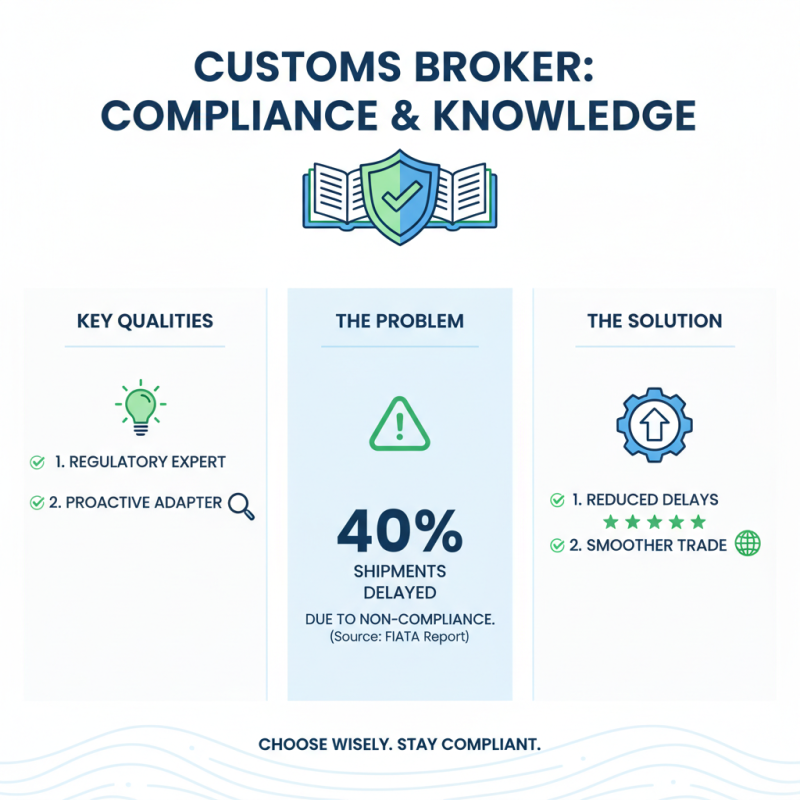
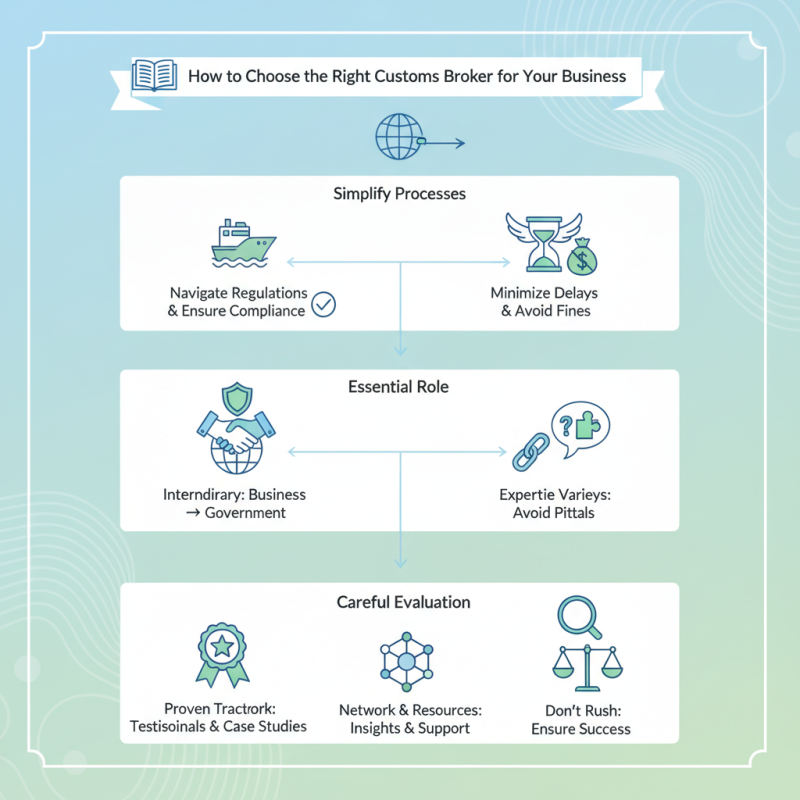
Choosing the right customs broker for your business is crucial. A competent customs broker can simplify your import and export processes. They help navigate complex regulations, ensuring compliance with local laws. This knowledge is essential for minimizing delays and avoiding costly fines.
In the global market, the role of a customs broker cannot be overstated. They act as intermediaries, facilitating smooth transactions between businesses and government authorities. However, not all brokers offer the same level of expertise. Some may lack the experience needed for specific industries, leading to potential pitfalls.
A reliable customs broker should have a proven track record. Look for testimonials and case studies that highlight their successes. Additionally, consider their network and resources. A connected broker can provide valuable insights and support. Ultimately, selecting the right partner requires careful evaluation. Don't rush this decision; take the time needed to ensure the success of your business ventures.
Understanding the Role of a Customs Broker in International Trade
Customs brokers play a crucial role in international trade. They help businesses navigate complex customs regulations and ensure compliance with legal requirements. A reliable customs broker can save time and money, reducing the risk of delays at ports. According to a report by the World Bank, effective customs procedures can decrease export costs by up to 15%. This highlights the importance of selecting the right professional.
When choosing a customs broker, assess their expertise in your specific industry. Look for brokers who specialize in your type of goods. This expertise can aid in avoiding common pitfalls, such as misclassification of goods. Misclassifications can lead to costly penalties. Additionally, ensure they have strong relationships with customs authorities, which can facilitate smoother transactions.
**Tip:** Verify the customs broker's credentials and ask for references from other businesses in your sector.
Communication is another vital factor. A good customs broker should provide clear updates throughout the shipping process. Assess their responsiveness and how they handle inquiries. Poor communication may lead to misunderstandings and delays.
**Tip:** Test their communication skills before committing by asking specific questions about your shipments.
Ultimately, the right customs broker must align with your business needs. Their support can streamline operations and enhance efficiency in your international trade efforts. Select wisely to ensure a partnership that fosters growth.
Evaluating the Experience and Credentials of Customs Brokers
Choosing the right customs broker is crucial for your business. When evaluating potential brokers, consider their experience. Look for brokers with a proven track record in your industry. Experience in handling your specific goods can greatly ease the import-export process. Ask about their years in the business and any certifications they hold.
Credentials matter too. Verify their licensing and training. A qualified broker should be licensed with the relevant customs authorities. Background knowledge in customs regulations ensures compliance. But expertise alone isn’t enough. A good broker should communicate effectively. They should be able to explain complex customs processes clearly.
Sometimes, brokers may lack experience in niche markets. This can lead to misunderstandings that slow down shipments or increase costs. It’s important to reflect on their previous clients’ experiences as well. Asking for references can provide insights into their reliability. In the end, balancing experience with clear communication can help you make the best choice for your business needs.
Experience Level of Customs Brokers
Assessing Technology and Tools Used by Customs Brokers
When selecting a customs broker for your business, assessing their technology and tools is crucial. A competent broker uses robust software for efficient processing. According to industry reports, 75% of customs professionals believe advanced technology enhances compliance and accuracy. This means inaccuracies can lead to significant delays. Many brokers now employ automated systems for real-time tracking and documentation.
The use of technology goes beyond basic automation. Some brokers utilize AI-driven analytics to predict potential issues. Reports show that brokers who invest in technology reduce clearance times by up to 30%. This efficiency can greatly benefit businesses by minimizing costs and improving customer satisfaction. However, not all tools guarantee optimal performance.
Choosing a broker without understanding their technological capabilities can be risky. It may lead to slower operations and increased costs. Many businesses overlook this aspect, often focusing solely on compliance rates. Custom brokers should provide transparency regarding the systems they use. The right technological tools not only enhance workflow but also lead to better data security. In a world where customs regulations constantly change, a broker must stay ahead through technology.
How to Choose the Right Customs Broker for Your Business? - Assessing Technology and Tools Used by Customs Brokers
| Criteria |
Technology Used |
Support Services |
Cost Structure |
Customer Reviews |
| Ease of Use |
Cloud-based Platform |
24/7 Hotline |
Flat Rate Fees |
Positive Feedback |
| Technology Integration |
API Connectivity |
Dedicated Account Manager |
Variable Rates |
Mixed Reviews |
| Compliance Tracking |
Automated Compliance Alerts |
Online Chat Support |
Hourly Rates |
Highly Rated |
| Reporting Capabilities |
Advanced Analytics Tools |
Email Support |
Success Fee Models |
Satisfactory Reviews |
| User Training |
Webinars Offered |
In-Person Training |
Subscription Fees |
Mostly Positive |
Analyzing Fees and Cost Structures of Customs Brokerage Services
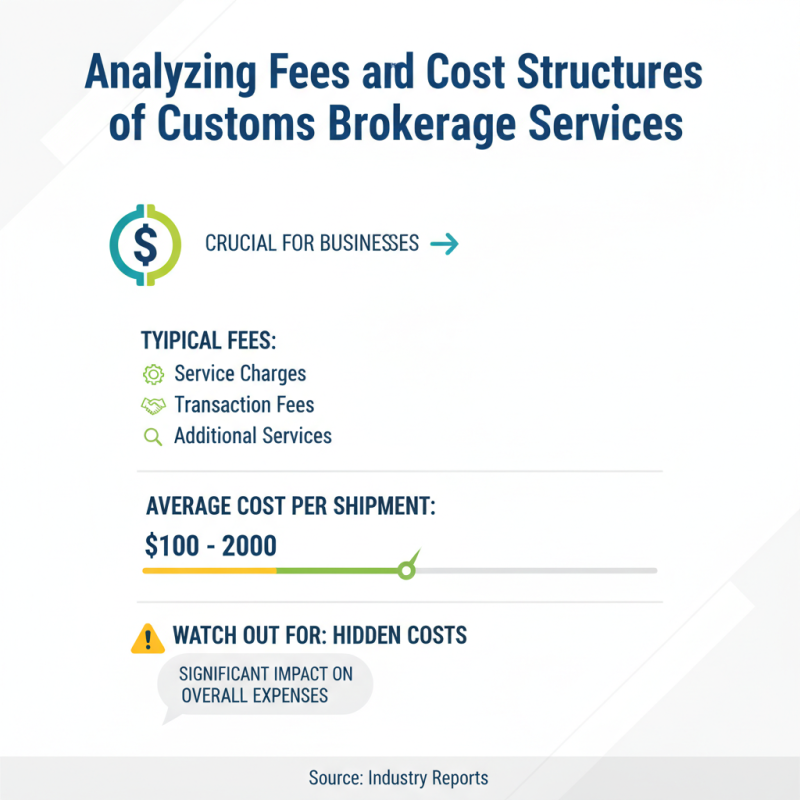
When selecting a customs broker, analyzing fees and cost structures is crucial for your business. Customs brokers typically charge a variety of fees, including service charges, transaction fees, and additional costs for specific services. According to industry reports, the average fee for a customs broker can range from $100 to $200 per shipment. However, hidden costs may significantly impact overall expenses.
Tip: Always request a detailed cost breakdown before engaging a customs broker.
Understanding how brokers calculate fees is essential. Many base their charges on the value of goods, the complexity of the shipment, and the type of service required. For instance, expedited processing may incur higher fees. A report from the International Federation of Customs Brokers Associations noted that hourly rates can vary widely, from $75 to over $300 depending on the broker’s experience and specialty.
Tip: Compare quotes from multiple brokers to identify the most cost-effective option.
You may find that some brokers offer flat-rate packages that seem affordable but can lead to added expenses later. Furthermore, some brokers may charge extra for compliance services and consultation. Always ensure transparency regarding any potential fees. Working with a broker who prioritizes clarity can save you from unforeseen costs down the line.