How to Choose the Right Magnetic Separator for Your Needs?
Selecting the right Magnetic Separator is crucial for various industries. According to Dr. Emily Carter, a leading expert in magnetic technologies, "Choosing the proper magnetic separator can enhance efficiency significantly." Her insights reflect the importance of understanding your unique needs.
Magnetic Separators come in various types and designs. They are used to remove metal contaminants from materials like food, minerals, and plastics. A well-chosen separator can improve product purity and protect machinery. However, not all Magnetic Separators are the same. Some may suit your application better than others.
Consider your specific requirements before making a decision. Think about the materials you work with and the contaminants you face. Consulting with industry specialists can guide you. Yet, it’s important to realize that the initial choice may not always yield perfect results. Evaluating and adjusting your Magnetic Separator is often necessary for optimal performance.
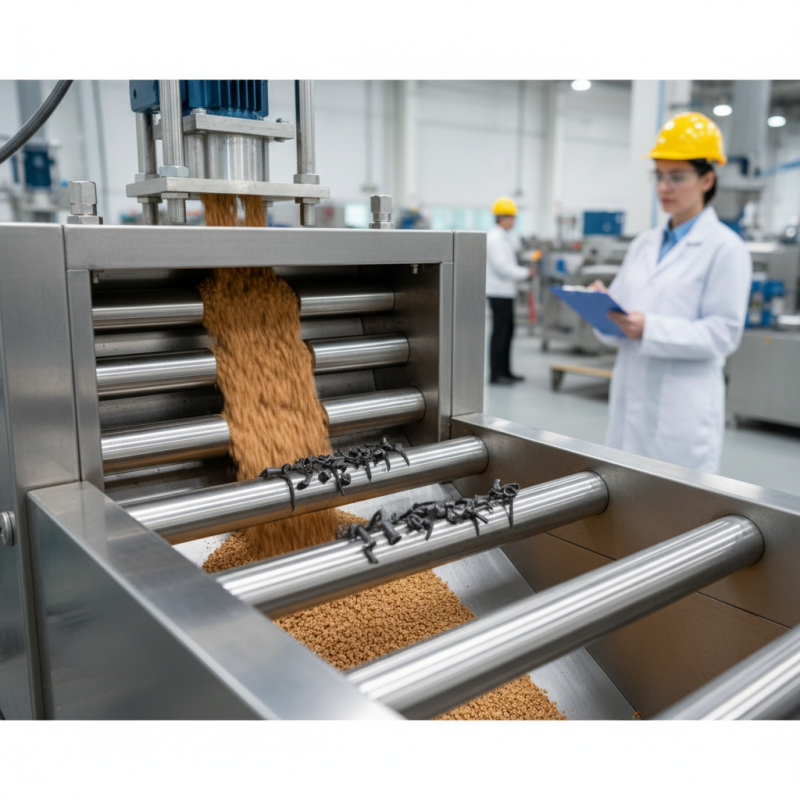
Understanding Magnetic Separators: Types and Functions
Magnetic separators play a crucial role in various industries, from mining to food processing. They effectively remove ferrous contaminants from materials, ensuring product purity and safety. Understanding the types of magnetic separators is essential for choosing the right one for specific applications.
There are several types of magnetic separators. Magnetic drum separators are common in bulk handling operations. They can efficiently handle large volumes of material. Overband separators are ideal for moving materials on conveyor belts, capturing iron debris without interrupting the flow. For finer materials, magnetic filters can be effective in metalworking processes, as they remove minute metal particles that could compromise product quality.
**Tips:** Consider the material you are working with. The magnetic strength should align with the size and type of contaminants. Regular maintenance is vital for ensuring the separator continues to function at peak efficiency. Data from industry reports indicate that businesses can improve operational efficiency by up to 30% with the proper magnetic separation equipment.
It's crucial to reflect on your specific needs. Not all magnetic separators are equally effective. For instance, the wrong type can lead to increased downtime and operational costs. Assess your material’s characteristics thoroughly before making a decision.
How to Choose the Right Magnetic Separator for Your Needs?
| Type of Magnetic Separator | Application | Magnetic Material | Efficiency | Cost Range |
| Permanent Magnetic Separator | Mining, Recycling | Steel, Iron | High | $1,000 - $5,000 |
| Electromagnetic Separator | Food Processing, Chemical Industries | Aluminum, Iron | Very High | $3,000 - $15,000 |
| Crossbelt Magnetic Separator | Bulk Material Handling | Ferrous Scrap | Moderate | $2,000 - $10,000 |
| Drum Magnetic Separator | Mineral Processing | Magnetite, Hematite | High | $4,000 - $20,000 |
| Plate Magnetic Separator | Food Industry, Plastics | Iron Filings | Moderate | $500 - $3,000 |
Assessing Your Material Properties for Effective Separation
Choosing the right magnetic separator starts with understanding your material properties. Different materials respond uniquely to magnetic forces. Knowing the type of impurities in your material can guide your selection. For instance, iron and steel contaminants behave differently compared to non-ferrous metals. According to industry reports, improper categorization can lead to a separation efficiency loss of over 30%.
Moisture content is another critical factor. Materials with high moisture may clump together, hindering effective separation. A study by the Material Handling Institute indicated that wet materials require different magnetic field strengths compared to dry ones. This is essential because inadequate adjustments can result in suboptimal performance.
Furthermore, particle size influences the choice of separator. Smaller particles may require high-density magnetic fields to achieve effective separation. However, using too powerful a separator can cause excessive wear or unexpected agglomeration. Engineers must consider these aspects carefully to avoid costly production delays and equipment failures. Balancing these factors is often challenging but essential for achieving reliable separation outcomes.
Evaluating Application Requirements and Industry Standards
When selecting a magnetic separator, evaluating application requirements is crucial. Different industries have unique needs. For example, food production requires strict contaminant control. Conversely, recycling applications focus on metal recovery efficiency. Understanding these specific requirements helps in choosing the right separator type.
Industry standards also play a significant role. Compliance with regulations ensures safety and quality. Familiarity with these standards is essential for optimal selection. For instance, specific sectors have guidelines on separation efficiency and material handling. Not being aware of these can lead to costly mistakes.
Finally, constantly reassess your needs as they may evolve. What worked last year may not be suitable now. Emerging technologies also change the landscape. Keeping informed about innovations and trends can help refine your choices. Each decision should incorporate thoughtful consideration and research. Every detail matters in ensuring that your magnetic separator meets expectations.
Choosing the Right Size and Configuration for Your Separator
Selecting the right size and configuration for your magnetic separator is crucial. Proper sizing ensures effective separation of unwanted materials. Too small a separator won't capture all the contaminants. Conversely, an oversized unit can lead to inefficiencies and increased costs.
Consider the material you are processing. Know its composition and the size of the magnetic particles. This understanding will guide your choice. Additionally, assess the throughput requirements. A separator must handle your production rate without sacrificing performance.
Tip: Always leave room for adjustments. You may need to tweak your separator's settings to optimize performance.
The configuration of your separator also matters. Inline vs. crossbelt? Each has its advantages. Inline separators work well for bulk processing. Crossbelt variants are versatile and easier to maintain.
Tip: Consult with industry experts if you're unsure. Their knowledge can save you time and resources.
Finally, plan for future changes. Your needs may evolve. A flexible configuration can adapt to new requirements.
Budgeting for Magnetic Separation: Costs and Options
When budgeting for magnetic separation systems, it's crucial to understand the costs and available options. According to a report by the Industrial Magnetic Separation Association, the average cost of magnetic separators can range from $1,000 to over $100,000, depending on their complexity and application. Basic models may suffice for smaller operations, while large-scale industries often require advanced systems capable of handling voluminous materials.
Keep in mind that maintenance costs can add up. Regular inspections and replacement of worn parts are essential. A study by Engineering & Mining Journal indicated that proper maintenance can extend the life of a separator by up to 30%. Consider allocating 15-20% of your initial budget for ongoing upkeep.
Tips: Assess your material characteristics before purchasing. Not all separators work for every type of material. Additionally, factor in your production process. The right separator can improve efficiency and reduce long-term costs. Investing in a high-quality unit from the start may save you money in the long run.
