What is the Job of a Customs Broker for Global Buyers?
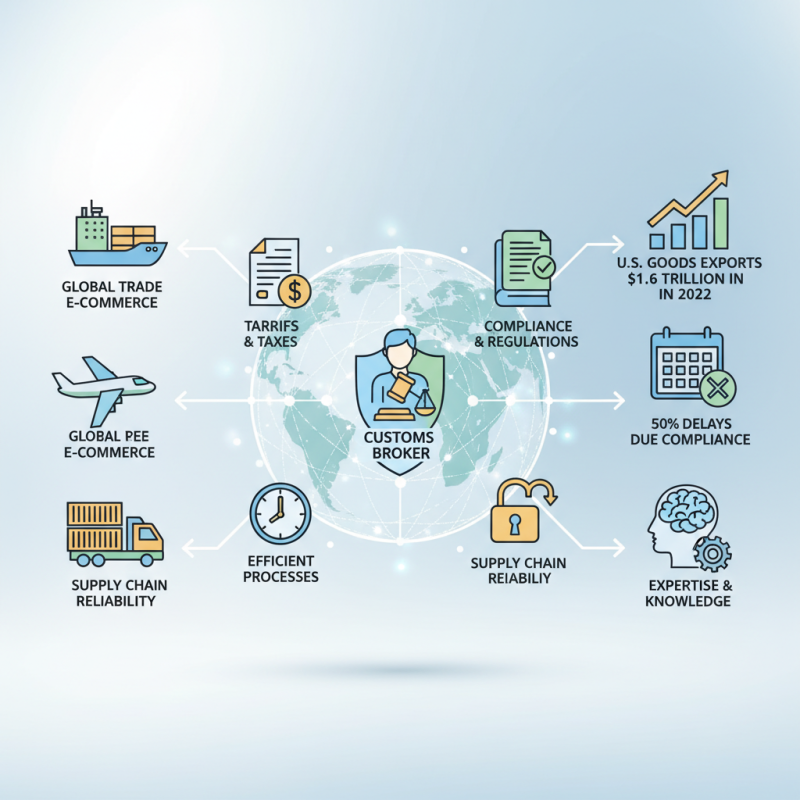
The job of a customs broker is crucial in today’s global trade landscape. As e-commerce continues to soar, the demand for efficient customs processes has never been higher. According to a report by the International Trade Administration, U.S. goods exports reached approximately $1.6 trillion in 2022, underscoring the need for expert customs mediation.
A customs broker acts as a liaison between importers and regulatory agencies. They ensure that goods comply with all local laws, paying attention to tariffs and taxes. In an era where trade regulations frequently change, their expertise is invaluable. In fact, a study by the World Customs Organization revealed that over 50% of businesses face delays due to compliance issues.
Despite their significance, misconceptions about the job of customs broker persist. Some believe it is merely a paperwork role. In reality, they must navigate complex rules and manage risks to avoid costly penalties. Reflecting on the evolving nature of international trade, customs brokers must constantly update their knowledge. This is key to maintaining reliable supply chains and fostering global commerce, a role that carries significant responsibility in the modern economy.
The Role of Customs Brokers in Global Trade Logistics
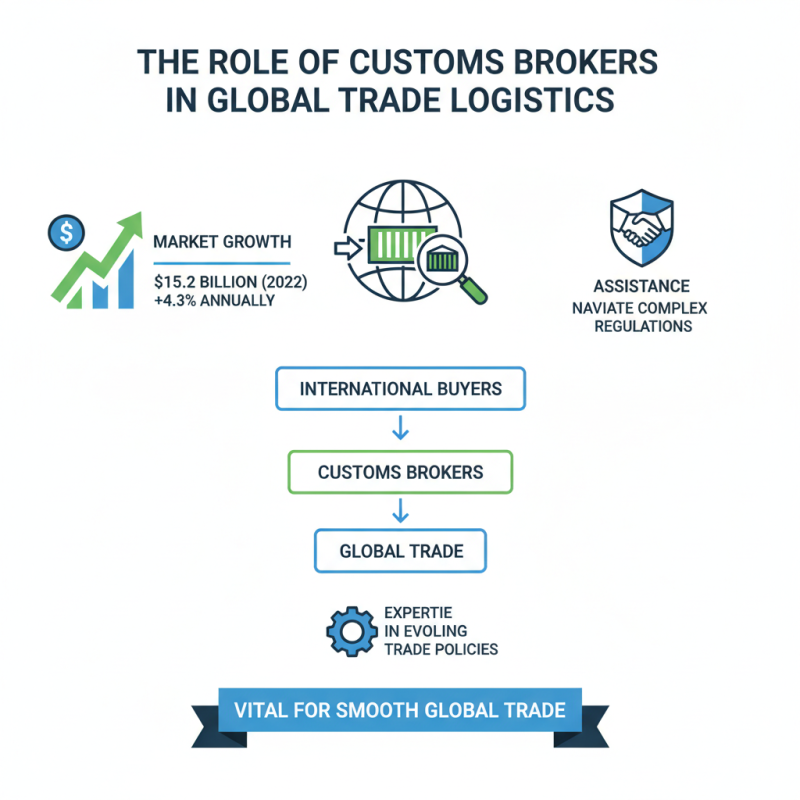
Customs brokers play a vital role in global trade logistics. They assist international buyers in navigating the complexities of customs regulations. In 2022, the global customs brokerage market was valued at approximately $15.2 billion and is expected to grow by 4.3% annually. This growth reflects the increasing need for expertise in the face of evolving trade policies.
Their services include documentation and compliance checks. Brokers ensure shipments meet all regulations. They facilitate the payment of duties and taxes. According to a report by the International Trade Centre, improper documentation can delay shipments by up to 25%. This can significantly impact supply chain efficiency.
However, the industry faces challenges. For instance, frequent changes in customs regulations can create confusion. Some customs brokers may not stay updated, leading to compliance issues. Reports indicate that more than 30% of shipments experience customs delays. This underscores the importance of choosing a knowledgeable broker. Proper training and ongoing education are essential for maintaining reliable services.
Key Responsibilities of Customs Brokers for International Buyers
Customs brokers play a crucial role for global buyers navigating international trade. Their primary responsibility is ensuring that shipments comply with customs regulations. They handle the documentation required for import and export, including bills of lading, invoices, and shipping instructions.
In addition to paperwork, customs brokers offer expert advice on tariffs and duties. They evaluate the classification of goods to determine the appropriate charges. This knowledge helps buyers save money and avoid costly fines. However, many international buyers underestimate the complexities involved. Even minor errors in documentation can lead to significant delays.
Moreover, customs brokers act as a liaison between buyers and government authorities. They communicate with customs officials, facilitating smoother transactions. This role often involves constant updates and adjustments as regulations change. Buyers must remain aware of these shifts to ensure compliance. Overall, while customs brokers simplify the process, it is essential for buyers to understand their responsibilities too.
Understanding Customs Regulations and Compliance Requirements
Navigating customs regulations can be daunting for global buyers. Importing products requires a deep understanding of various compliance requirements. Each country has its own set of rules. This complexity can lead to unexpected delays or fines.
Customs brokers play a crucial role in mitigating these challenges. They are experts in customs procedures and can help prepare the necessary documentation. This includes invoices, packing lists, and certificates of origin. Having the right paperwork reduces the risk of shipments being held up. However, even with a broker's assistance, buyers must remain proactive in understanding regulations.
Buyers should be aware that customs compliance is not a one-time task. It requires continuous learning. Regulations can shift, causing confusion. Sometimes, even small mistakes can result in significant penalties. Regular communication with customs brokers is essential to stay updated. By fostering a collaborative relationship, buyers can enhance their compliance strategies.
What is the Job of a Customs Broker for Global Buyers? - Understanding Customs Regulations and Compliance Requirements
| Service Area |
Description |
Importance for Global Buyers |
| Customs Clearance |
Facilitating the process of clearing goods through customs for import and export. |
Ensures timely delivery of goods while avoiding delays due to regulatory issues. |
| Tariff Classification |
Determining the correct tariff codes for goods being imported or exported. |
Helps in understanding duties and taxes applicable, leading to cost savings. |
| Documentation Preparation |
Preparing all necessary documents required for customs compliance. |
Reduces risk of errors that could lead to fines or delays. |
| Compliance Guidance |
Advising on changing regulations and compliance requirements. |
Helps businesses stay compliant with laws, avoiding legal issues. |
| Risk Management |
Identifying and mitigating risks associated with customs processes. |
Protects against financial losses and reputational damage. |
Impact of Customs Brokers on Import Duties and Taxes
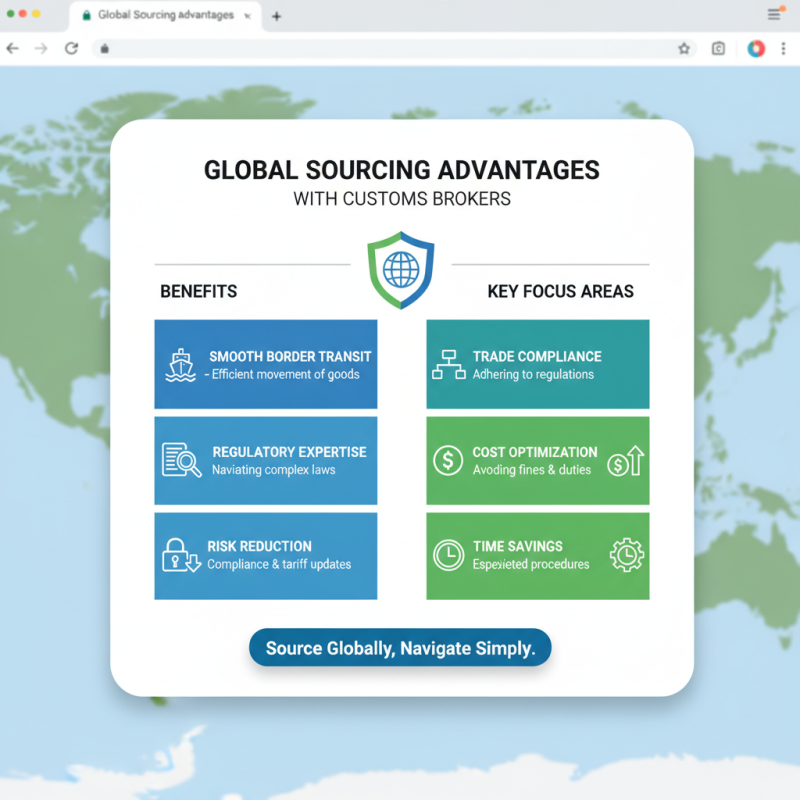
Customs brokers play a crucial role in managing import duties and taxes for global buyers. They navigate complex regulations and ensure that goods enter a country legally. According to the International Federation of Customs Brokers Associations, these professionals save importers approximately 20% on duties and taxes by optimizing documentation and procedures. Their expertise helps avoid costly delays and penalties, which can be significant.
The impact of customs brokers extends beyond mere paperwork. They apply their knowledge to assess the correct tariff classifications and applicable duty rates. A well-classified product can lead to lower duties, enhancing a company’s profitability. Moreover, brokers provide insights into trade agreements that might reduce tariffs. The World Trade Organization reports that efficient customs processes can decrease trade costs by up to 15%.
However, relying on a customs broker is not without challenges. Mistakes in documentation can still occur, leading to unexpected costs. Buyers must maintain communication with their brokers to ensure accuracy. Transparency in these processes is vital to avoid pitfalls. By working closely with a customs broker, global buyers can streamline their operations while minimizing avoidable expenses.