Understanding Logistic Transfer in China Top Industries?
Logistic transfer plays a crucial role in China's top industries. This process involves moving goods efficiently through various stages of supply chains. As government policies evolve and globalization expands, the need for effective logistic transfer becomes apparent.
Dr. Li Wei, a leading expert in logistics management, states, "Successful logistic transfer is the backbone of industry growth." This highlights the importance of efficient transportation and storage methods. However, challenges persist. Infrastructure limitations and regional disparities can hinder progress.
Despite advancements, many companies still struggle with logistic transfer efficiency. They must adapt to technological changes and consumer demands. The landscape is changing rapidly, prompting a need for reevaluation. Experts argue that addressing these challenges is essential for remaining competitive. Companies must invest in innovative solutions to enhance logistic transfer processes.

Understanding the Concept of Logistic Transfer in Chinese Industries
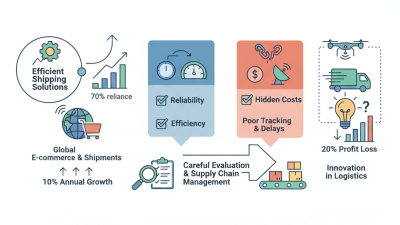
Logistic transfer plays a vital role in China's industries. It involves the shift of logistics operations to enhance efficiency and competitiveness. Over the years, this concept has gained prominence, particularly in manufacturing and e-commerce sectors. According to a 2022 report by Deloitte, over 70% of logistics managers in China are focusing on optimizing their supply chain processes.
Implementing a robust logistic transfer strategy can yield significant benefits. Companies can reduce costs and improve service delivery times. A study indicated that companies adopting new technologies experienced a 15-20% improvement in their logistics efficiency. However, some firms struggle with the transition. Insufficient training and resistance to change often hinder success.
Tip: Regularly assess your logistics operations. Identify bottlenecks and inefficiencies. Small adjustments can lead to major improvements.
The rise of e-commerce in China is reshaping logistic transfer practices. With platforms like Alibaba and JD.com, companies must adapt quickly. A report from McKinsey found that 40% of logistics companies plan to invest in automation. This shift is essential for meeting consumer demands in a fast-paced market. Yet, some companies fail to embrace these tools due to perceived high costs.
Tip: Consider partnerships with tech firms. Collaboration can bring knowledge and resources to streamline operations. Invest in training your team to navigate new technologies effectively.
Understanding Logistic Transfer in China's Top Industries
Historical Development of Logistic Transfer in China's Economic Landscape
The historical development of logistic transfer in China's economic landscape reveals a complex evolution. From humble beginnings in the early 1980s, logistics has grown into a vital industry. Economic reforms opened the market, allowing for unprecedented growth. Initially, logistics faced hurdles, including outdated infrastructure and limited technology. Despite these challenges, the sector adapted quickly.
In the 1990s, advancements began to emerge. The establishment of modern transportation networks allowed companies to transport goods faster. However, many businesses were still reliant on traditional methods. A significant gap existed between urban and rural logistics capabilities. This disparity is a critical issue for policymakers today.
Entering the 21st century, China's logistic transfer system continued to transform. The rise of e-commerce significantly impacted logistics demands. Warehousing and distribution became more sophisticated. Yet, inefficiencies persist. Many logistics firms struggle with transparency and reliability. This reality calls for ongoing reflection and innovation in the sector.
Key Factors Influencing Logistic Transfer in Top Industries
Logistic transfer in China's top industries involves many influencing factors. Understanding these factors is crucial for effective management.
Geography plays a significant role. China’s vast landscape impacts transportation routes and costs.
Industries in coastal areas often have easier access to shipping ports. In contrast, those located inland face logistical challenges.
Technology is also a key element. Advances in logistics management software streamline operations.
Real-time tracking and automated systems improve efficiency. However, not all companies adopt these innovations. This gap can lead to inefficiencies.
Skilled labor availability varies across regions. Some areas struggle to find workers with the right training.
Government policies influence logistics as well. Regulations may hinder transport efficiency or promote it, depending on local infrastructure.
For instance, stricter environmental regulations might slow down freight movement. The balance between policy and practice remains delicate.
Each of these factors creates an intricate web, impacting logistics in diverse ways. Addressing these influences is essential for industry growth.
Case Studies of Successful Logistic Transfer Implementations in China
In recent years, China's logistics sector has witnessed transformative changes. One notable case is the food and beverage industry. Companies here have adopted advanced tracking technology. This enhances supply chain transparency. A report by the China Federation of Logistics & Purchasing highlights that real-time tracking can reduce delivery delays by up to 30%. Companies leveraging this technology can increase customer satisfaction significantly.
The automotive industry presents another example of effective logistic transfer. Many manufacturers have streamlined their operations by implementing just-in-time (JIT) methodologies. According to a study from the National Bureau of Statistics, firms utilizing JIT processes have seen a reduction in inventory costs by approximately 25%. However, the dependence on timely shipments poses risks, especially during disruptions. It underscores the need for robust contingency plans.
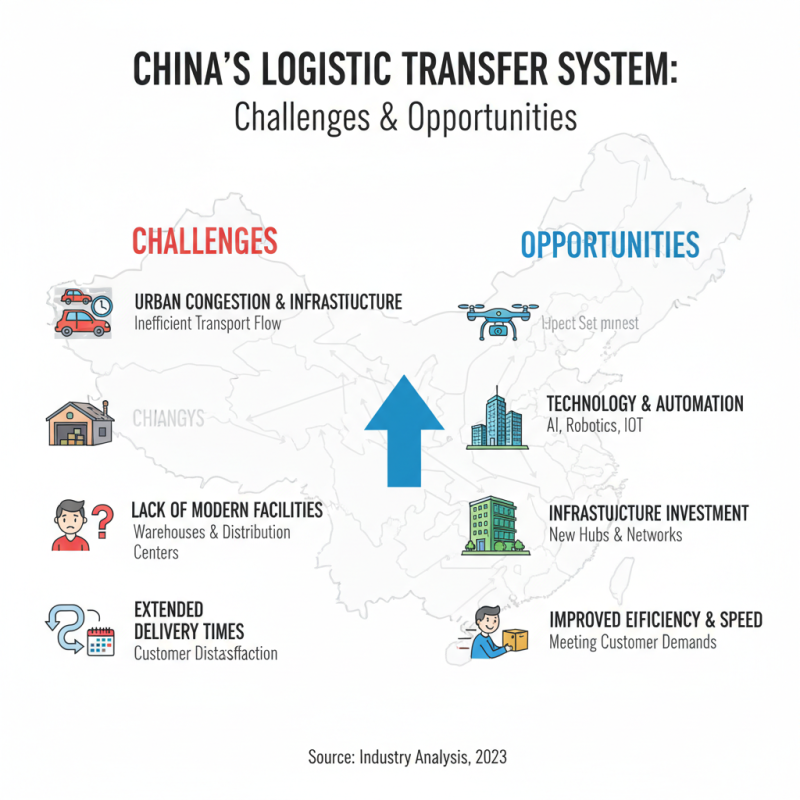
E-commerce has also transformed logistics approaches in China. The rapid growth of online shopping demands agile logistics solutions. A report by the China Internet Network Information Center states that e-commerce logistics market growth reached over 30% in the last year. Nevertheless, many companies still struggle with last-mile delivery challenges. In urban areas, traffic congestion delays deliveries and raises costs.
Understanding Logistic Transfer in China Top Industries
| Industry |
Logistic Transfer Implementation |
Efficiency Improvement (%) |
Cost Reduction (%) |
Key Technologies Used |
| E-commerce |
Automated Warehouse Management |
25 |
15 |
AI, IoT |
| Manufacturing |
Supply Chain Optimization |
30 |
20 |
ERP, Big Data |
| Retail |
Last Mile Delivery Solutions |
35 |
10 |
Drones, Mobile Apps |
| Pharmaceuticals |
Cold Chain Logistics |
40 |
18 |
Temperature Monitoring Tech |
| Agriculture |
Smart Distribution Networks |
28 |
12 |
Blockchain, IoT |