2026 Best Car Stacking Parking Solutions for Global Buyers?
In an era where urbanization continually intensifies, effective land use has become crucial. Car Stacking Parking Solutions emerge as a viable response to the increasing need for efficient parking. According to a recent industry report by Grand View Research, the global car stacking system market is projected to reach $1.5 billion by 2026. This underscores the rising demand for innovative parking technologies.
Experts emphasize the importance of these solutions. Dr. Emily Chen, a leading authority in urban transportation, states, "Car Stacking Parking Solutions can significantly optimize space usage in congested urban areas." However, not every solution fits every environment. Some systems may require more initial investment than expected, leading to questions about long-term feasibility.
Despite their advantages, challenges remain. Installation complexities and maintenance issues are common pitfalls. Buyers must evaluate site-specific requirements and potential limitations. A thorough understanding of both benefits and drawbacks can help buyers make informed decisions about Car Stacking Parking Solutions, ensuring they align with their strategic goals.
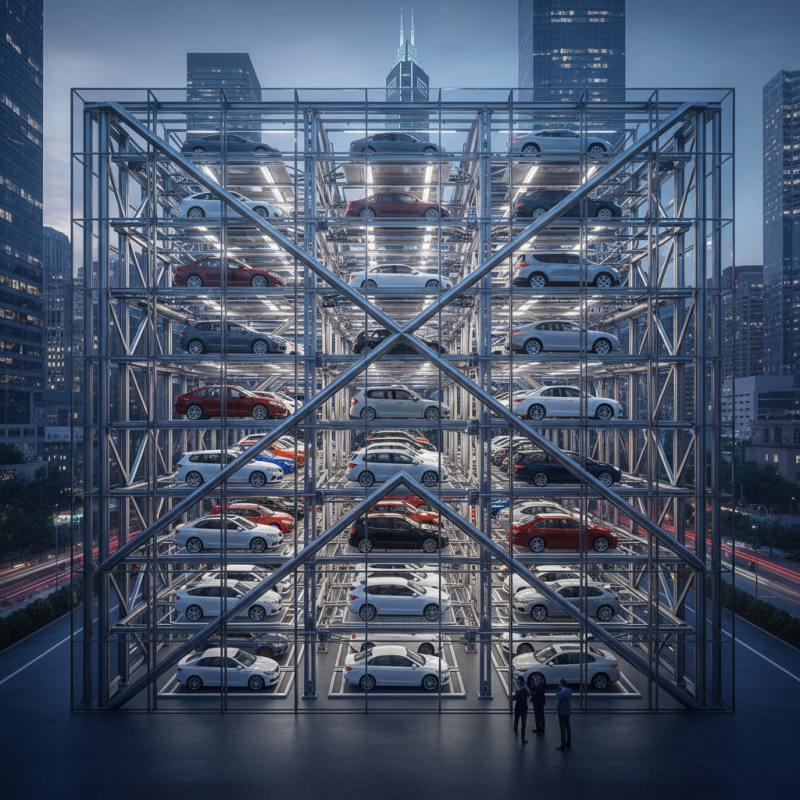
2026 Innovations in Car Stacking Technology for Urban Parking Solutions
Urban areas are increasingly facing parking challenges. Car stacking technology has emerged as a promising solution. With the rise of smart cities, innovations in this field are vital. According to a 2023 industry report, the global car stacking market is projected to grow by 15% annually. This growth highlights the importance of efficient urban parking solutions.
Recent advancements in technology are enhancing the capabilities of car stacking systems. For example, automated systems can maximize space by stacking vehicles upward. Traditional parking methods are often inefficient, wasting valuable real estate. The integration of smart sensors improves vehicle retrieval times and enhances user convenience. These systems can also reduce carbon footprints by minimizing driving time.
Tips: When considering a car stacking solution, evaluate the available space. Think about the height limitations and vehicle sizes that will use the system. Choose a solution that suits your urban environment. While technology is promising, ensure the system's reliability and maintenance needs are clear. Reflect on the costs versus the number of vehicles it will accommodate. Balancing these factors is crucial for long-term success.
Comparative Analysis of Global Car Stacking Parking Systems in 2026
Car stacking parking systems are gaining popularity worldwide. They maximize space in urban areas where land is limited. With increasing vehicle ownership, efficient parking solutions are more important than ever.
In 2026, various designs for car stacking systems are emerging. These systems range from simple lifts to sophisticated automated solutions. Users often prefer ease of access and reduced wait times. However, not all designs meet these needs effectively. Some systems may be prone to technical failures, leading to frustration. Regular maintenance is crucial for reliability.
User experience is also a vital factor. Many users desire clear instructions and easy operation. Unfortunately, not all systems have user-friendly interfaces. This can deter potential buyers. A thorough evaluation of the functionality and efficiency of different car stacking solutions is essential for informed decisions. Real-world feedback can highlight weaknesses and strengths in various models, guiding improvements and innovations.
Market Trends: Global Demand for Automated Car Stacking Solutions in 2026
The demand for automated car stacking solutions is growing rapidly. As urban areas become more congested, efficient parking is critical. Automated car stacking systems can maximize available space, accommodating more vehicles in less area. Buyers worldwide are increasingly interested in these innovative technologies.
In 2026, global market trends show a shift toward smart parking solutions. Cities face challenges like land shortages and rising vehicle numbers. Automated systems provide a viable answer, reducing the footprint of parking structures. These systems also contribute to sustainability by minimizing energy use and optimizing traffic flow.
However, challenges remain. The initial costs for installation can be high. Maintenance and technical issues may arise, and operators need proper training. User acceptance is another factor; some may find automated systems intimidating. Addressing these concerns is essential for the widespread adoption of automated car stacking solutions. Exploring partnerships and financing options will enhance accessibility for various buyers.
2026 Best Car Stacking Parking Solutions for Global Buyers
| Region | Market Share (%) | Installation Cost (USD) | Average Height (meters) | Capacity (vehicles) | Expected Growth Rate (%) |
| North America | 35 | $50,000 | 9 | 150 | 10 |
| Europe | 30 | $55,000 | 8 | 200 | 12 |
| Asia-Pacific | 25 | $45,000 | 10 | 175 | 15 |
| Latin America | 5 | $40,000 | 7 | 100 | 8 |
| Middle East and Africa | 5 | $53,000 | 8.5 | 125 | 9 |
Efficiency Metrics: Space Utilization Rates of Top Car Stacking Devices
When considering car stacking solutions, efficiency is paramount. Space utilization rates significantly influence performance. Many modern systems optimize vertical space, allowing multiple vehicles to occupy a smaller area. However, these devices can also be complex and costly to maintain. The calculations behind these efficiencies are essential. It's vital to weigh the benefits against installation and operational challenges.
A typical car stacking device can increase parking capacity by 60% or more. Yet, real-world applications often reveal shortcomings. Some users report difficulties in accessing vehicles, leading to frustration. The design must prioritize easy retrieval. It's not just about capacity; functional efficiency matters just as much.
Furthermore, the choice of materials affects durability. Some systems might look impressive but struggle under everyday use. An informed buyer should consider both efficiency metrics and real-life performance. This balance is crucial in selecting the right car stacking solution for their needs.
Cost-Benefit Examination of Car Stacking Systems for City Planners in 2026
As urban populations rise, car stacking systems are gaining traction among city planners. In 2026, these systems offer unique cost-benefit advantages. According to industry reports, car stacking can save up to 60% of space compared to traditional parking methods. This is a critical factor as cities struggle with limited land. The reduced land requirements lead to lesser construction costs, often about 20% lower when compared to conventional parking structures.
Not all solutions are perfect. Some systems can be complex to operate and require user training. Maintenance costs can be higher than expected. For instance, a 2023 report indicated that up to 15% of parking systems faced operational downtime due to technical failures. City planners must weigh the initial savings against these long-term operational concerns. An effective oversight plan is crucial for maximizing the benefits.
Investing in car stacking technologies demands a thorough understanding of both the initial investment and the total lifecycle costs. While many solutions promise efficiency, they might not all translate into real-world savings. Evaluating these factors helps ensure the deployment of effective, reliable parking solutions that meet urban needs.
