2026 Top Freight Group Innovations and Trends for Logistics Industry?
The logistics industry is undergoing significant changes. Innovations in technology are shaping how the freight group operates. According to a report by McKinsey, digital solutions can cut logistics costs by up to 30%. This presents both opportunities and challenges.
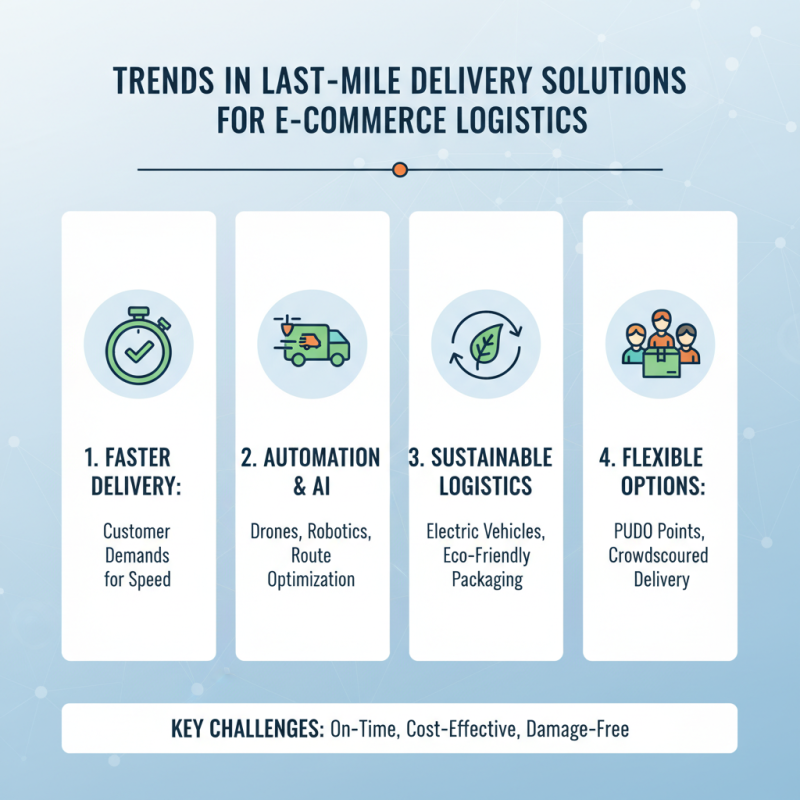
In 2026, the freight group will likely focus on automation and sustainability. Electric vehicles and drone deliveries are on the rise. However, adaptation is not easy. Many companies face hurdles in integrating these technologies into their existing systems. Industry reports highlight that about 40% of logistics firms struggle with digital transformation.
The freight group must also prioritise data analytics. With the growing demand for real-time tracking, harnessing data can enhance efficiency. Yet, a recent study revealed that only 55% of organizations effectively use their data. This gap indicates a need for improvement. The future of logistics relies on embracing these trends while acknowledging the obstacles ahead.
Emergence of Autonomous Vehicles in Freight Logistics
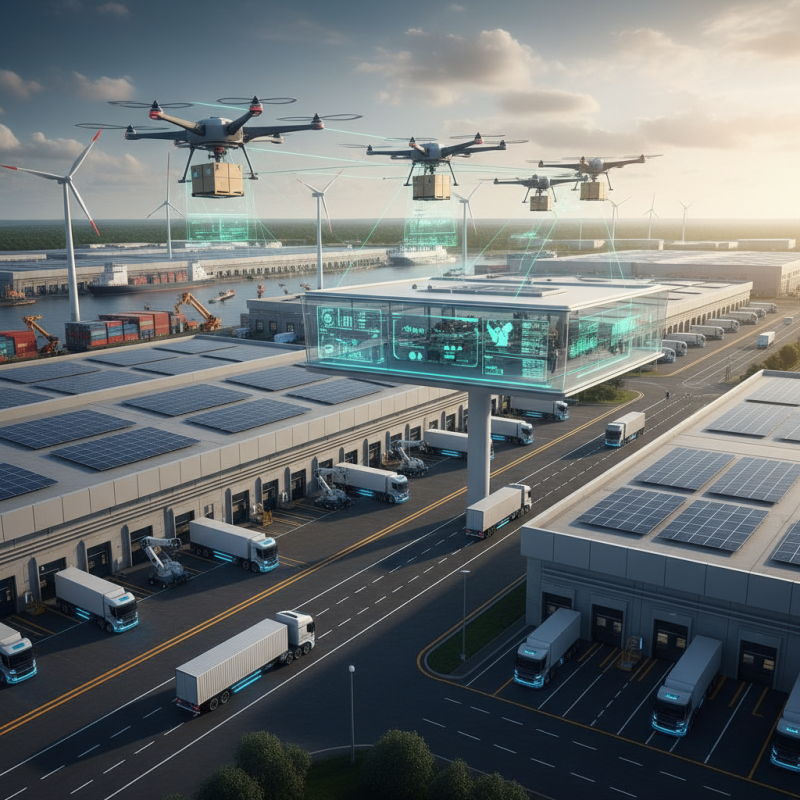
The emergence of autonomous vehicles in freight logistics is reshaping the industry. These self-driving trucks can operate around the clock, improving efficiency. However, challenges remain. For example, navigating urban environments poses difficulties. Areas with heavy traffic or unpredictable pedestrian behavior can disrupt automated routes.
Innovations are exciting, yet they require careful implementation. Safety concerns are paramount. Autonomous vehicles must communicate effectively with human drivers and pedestrians. Additionally, regulatory frameworks need to adapt. Laws lag behind technology, creating uncertainty for companies investing in these solutions.
Real-world testing yields mixed results. Some routes see improved delivery times, while others face setbacks. Maintenance and reliability are also crucial. Companies must ensure vehicles perform consistently. Balancing innovation with caution is essential as we move toward a more automated future in freight logistics.
2026 Innovations and Trends in Freight Logistics: Emergence of Autonomous Vehicles
This chart illustrates the projected adoption rates of autonomous vehicles in the freight logistics industry from 2023 to 2026. The data reflects industry forecasts based on recent trends and emerging technologies.
Impact of Artificial Intelligence on Supply Chain Management
Artificial Intelligence (AI) is reshaping supply chain management. Its ability to analyze vast amounts of data is impressive. Companies are using AI to predict demand more accurately. This leads to efficient inventory management. However, relying too heavily on AI can create challenges. For instance, algorithms might overlook unexpected market shifts.
In logistics, automation is becoming standard. AI-driven tools help streamline operations. They reduce human error and save time. Yet, these tools require constant tuning. Sometimes, they misinterpret data, leading to poor decisions. Companies must remain vigilant. They need to ensure that human insight complements AI findings.
Moreover, communication between systems is crucial. AI optimizes transport routes effectively. But, human oversight is still essential for problem-solving. There are complexities that AI may struggle with. As AI evolves, its integration into supply chains must be carefully managed. Balancing technology and human judgment remains the key challenge.
Sustainable Practices and Green Innovations in Freight Transportation
Sustainable practices are becoming essential in the freight transportation industry. Many companies are exploring eco-friendly options. Electric and hybrid trucks are gaining traction. They reduce emissions and save fuel costs. Yet, infrastructure for charging stations is limited in some areas. This presents a significant challenge for widespread adoption.
Innovations in packaging materials are also vital. Eco-friendly materials can minimize waste. Reusable containers are becoming more common. Companies must balance cost and sustainability. High-quality green options can be pricier, leading to difficult choices. Moreover, recycling often lacks proper facilities, complicating efforts for better practice.
While the drive for sustainability is clear, not all solutions are straightforward. Implementation can be slow and require changes in logistics. Training staff on new practices is crucial yet often overlooked. The shift towards greener methods does not happen overnight. Companies must commit to long-term goals, despite potential setbacks. A willingness to adapt is key in this continually evolving landscape.
2026 Top Freight Group Innovations and Trends for Logistics Industry
| Innovation |
Description |
Impact on Sustainability |
Adoption Rate (%) |
| Electric Freight Vehicles |
Utilization of electric trucks to reduce carbon emissions. |
Significantly lowers greenhouse gas emissions. |
45% |
| Blockchain Technology |
Enhances transparency and traceability in supply chains. |
Reduces waste and improves resource allocation. |
30% |
| Carbon Footprint Monitoring |
Systems to measure and report emissions of logistics operations. |
Empowers companies to set and achieve reduction targets. |
25% |
| AI-based Route Optimization |
Artificial intelligence used to determine the most efficient delivery routes. |
Maximizes fuel efficiency and reduces emissions. |
35% |
| Sustainable Packaging Solutions |
Use of biodegradable and recyclable materials for packaging. |
Significantly reduces plastic waste. |
40% |
Blockchain Technology's Role in Enhancing Transparency and Security
Blockchain technology is emerging as a key player in the logistics industry. It enhances
transparency and security in freight operations.
Logistics often faces issues like delays and fraudulent activities. Blockchain can address these challenges head-on.
By creating a decentralized ledger, all stakeholders can access real-time data on shipments.
With blockchain, every transaction is recorded securely. This reduces the risk of tampering. However, not all companies are ready to adopt this technology.
Some still rely on traditional methods. This can lead to data inconsistencies, causing further complications.
There is a need for a standardized approach to make blockchain effective across the board.
The transition to blockchain also requires investment in training. Employees must understand how to use this innovative technology.
Additionally, integrating blockchain with existing systems poses challenges. Despite these hurdles, the potential for greater accountability and efficiency is undeniable.
As the industry evolves, stakeholders must reflect on these challenges and work towards effective solutions.