In the complex world of international trade, the customs broker role serves as a crucial linchpin that facilitates the seamless movement of goods across borders. As businesses expand their reach to global markets, understanding the intricacies of importing becomes imperative. A skilled customs broker not only ensures compliance with regulations but also streamlines the logistics process, ultimately saving time and resources for importers.
This article explores the ten essential customs broker roles that are vital for successful importing. From navigating tariff classifications to managing documentation and communication with customs authorities, these roles encompass a wide range of responsibilities that are integral to the importation process. By familiarizing oneself with these key functions, businesses can enhance their operational efficiency, mitigate risks, and foster better relationships with customs officials, transforming the complexities of importing into manageable tasks.
A customs broker plays a crucial role in the importing process, serving as an intermediary between importers and government authorities. Their primary function is to ensure that goods are imported in compliance with the relevant laws and regulations. This involves preparing and submitting necessary documentation, computing duties and taxes, and facilitating communication between the importer and customs officials. Understanding this role is essential for businesses looking to navigate the complexities of international trade successfully.
When engaging with a customs broker, it’s important to choose one who is knowledgeable about the specific goods you are importing, as regulations can vary significantly by product type. Having a broker with expertise in your industry can streamline the importing process and help avoid costly delays.
Tips: Always verify that the customs broker you select is licensed and has a good track record with customs operations. Establish clear lines of communication to ensure that all necessary documentation is prepared timely and accurately. Additionally, it’s beneficial to keep informed about changes in trade regulations, as this can directly affect your importing strategy.
The role of customs brokers in global supply chains is crucial for ensuring smooth and compliant international trade. Customs brokers act as intermediaries between importers and government authorities, navigating the complex regulatory landscape to facilitate the clearing of goods through customs. According to a report by the International Federation of Custom Brokers Associations, approximately 87% of customs issues worldwide stem from paperwork errors, highlighting the critical importance of meticulous oversight and expertise that customs brokers provide.
Key responsibilities of customs brokers include classification of goods, determining applicable duties and taxes, and ensuring compliance with international trade regulations. In the current landscape, where global trade reached $18.89 trillion in 2021 (World Trade Organization), brokers are instrumental in minimizing delays and penalties associated with non-compliance. They also play a vital role in maintaining the integrity of supply chains by advising businesses on changes in regulations and trade agreements, thereby mitigating risks associated with international trade.
Moreover, customs brokers are responsible for electronic filing of customs entries, which streamlines the import process significantly. The World Bank highlights that reducing customs clearance times can lead to an increase in trade volumes by up to 25%, underscoring the value that efficient customs brokerage services bring to businesses aiming to thrive in a competitive market. As global supply chains evolve, the comprehensive support of customs brokers becomes essential for companies to navigate complexities and optimize their import strategies.
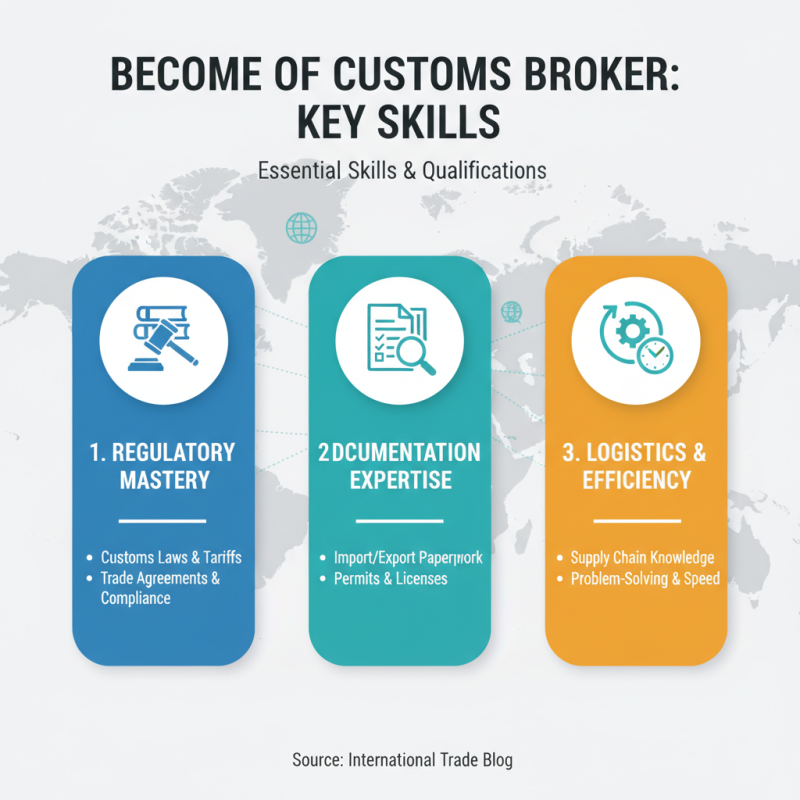
In the realm of international trade, customs brokers play a pivotal role in ensuring a smooth and efficient importing process. To excel in this demanding field, there are essential skills and qualifications that aspiring customs brokers must possess. First and foremost, a solid understanding of customs regulations and compliance is vital. This includes staying current with changes in trade laws, tariffs, and import duties, as well as being familiar with the documentation required for customs clearance. Knowledge of relevant trade agreements can also provide significant advantages.
Furthermore, effective communication skills are crucial for customs brokers. They must liaise with various stakeholders, including importers, exporters, and customs officials, to facilitate the movement of goods across borders. Strong negotiation skills can help brokers resolve issues and expedite the clearance process. Additionally, analytical skills are important for assessing risks and navigating complex regulations. Proficiency in logistics and supply chain management can enhance a broker's ability to coordinate timely shipments, making these skills indispensable for success in customs brokerage.
In the realm of international trade, customs brokers play a pivotal role in ensuring that goods move smoothly across borders. A significant component of their work revolves around compliance and regulatory knowledge. To navigate the complexities of customs regulations effectively, brokers must possess a thorough understanding of the laws and policies governing imports and exports. This expertise is essential not only for facilitating timely transactions but also for avoiding costly penalties that may arise from non-compliance.
Brokers are responsible for preparing and submitting the necessary documentation to customs authorities, which includes declarations and invoices that accurately reflect the nature of the goods being imported. This process requires meticulous attention to detail and an up-to-date awareness of any changes in regulations. A well-informed customs broker can help businesses mitigate risks associated with customs clearance, ensuring that shipments are processed efficiently and in accordance with legal requirements. Their role goes beyond paperwork; it encompasses a strategic partnership that enhances overall compliance and fosters trust with regulatory bodies.
| Role | Key Responsibilities | Compliance Importance | Regulatory Knowledge Required |
|---|---|---|---|
| Customs Broker | Manage the clearance of goods through customs | Critical for avoiding penalties | Tariff classifications, import/export regulations |
| Compliance Specialist | Ensure adherence to trade laws and regulations | Essential for maintaining operational integrity | Customs regulations, trade agreements |
| Logistics Coordinator | Plan and manage logistics operations | Influences compliance with shipping laws | Freight forwarding regulations |
| Tariff Analyst | Analyze and determine tariff classifications | Direct impact on import costs and compliance | Harmonized Tariff Schedule guidelines |
| Customs Compliance Manager | Oversee compliance programs | Critical for risk management | Compliance regulations, audits |
| Regulatory Affairs Specialist | Manage regulatory communications | Key to understanding regulatory landscape | Industry-specific regulations |
| Export Documentation Specialist | Prepare and manage export documents | Avoids delays and legal issues | Export control laws and documentation |
| Trade Compliance Officer | Monitor compliance with trade laws | Essential for operational sustainability | International trade regulations |
| Supply Chain Analyst | Optimize supply chain logistics | Supports compliance and efficiency | Customs-related supply chain rules |
| Import Specialist | Facilitates the import process | Direct impact on cost and compliance | Import regulations and procedures |
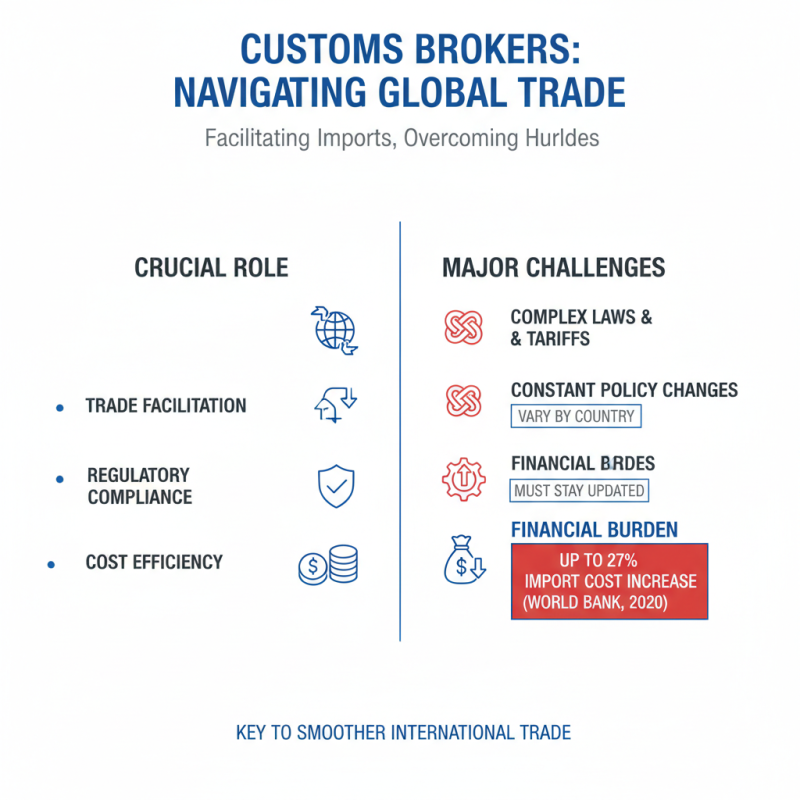
Customs brokers play a pivotal role in facilitating international trade, yet they face numerous challenges while ensuring compliance with ever-changing regulations. One of the most significant issues is navigating the complex landscape of customs laws and tariffs, which can vary greatly across different countries. According to the World Bank's "Doing Business 2020" report, customs procedures can add as much as 27% to the overall cost of imports, highlighting the financial burden that can arise from delays and inefficiencies. This underscores the necessity for customs brokers to stay updated on policies not only in their home country but also in the countries associated with the importation process.
In addition to regulatory hurdles, customs brokers often contend with logistical challenges. The Freight Forwarders’ Association reports that approximately 30% of shipments are delayed due to documentation errors, inadequate packing, or miscommunication. These delays not only affect the financial aspects of the importing process but can also harm relationships with suppliers and clients. A proactive approach towards thorough document verification and effective communication channels can significantly mitigate these issues, enabling customs brokers to enhance their operational efficiency and ensure smoother transactions in the importing process.