10 Best Customs Forwarders for Your International Shipping Needs?
In the bustling world of international shipping, selecting the right customs forwarder is crucial. John Smith, a renowned expert in logistics, emphasizes this. He says, "A good customs forwarder simplifies the complexities of cross-border trade." Finding the best support in this field can significantly reduce shipping delays and unexpected costs.
Customs forwarders handle a myriad of tasks. They navigate regulations and paperwork, ensuring compliance with customs laws. Yet, not every customs forwarder is the same. Some may lack experience or local knowledge. This can lead to costly mistakes or delays in your shipments. Businesses must choose wisely.
The right partner can enhance efficiency. They act as a bridge between you and customs authorities. But how do you ensure you pick the best? Research and reviews can guide your choices. However, even the most reputable customs forwarders can have shortcomings. It’s essential to reflect on your specific needs and challenges. Thus, staying informed and cautious is vital in this industry.

Understanding Customs Forwarders and Their Role in Shipping
Customs forwarders play a crucial role in international shipping. They manage the complexities of customs regulations and paperwork. Without their expertise, shipments can face delays or costly penalties. This can frustrate both businesses and customers.
When you ship goods internationally, customs forwarders ensure that all documentation is complete. They help classify products accurately to comply with regulations. Not all forwarders are created equal. Some may lack experience, leading to unexpected issues. It’s essential to choose one that understands the intricacies of global shipping.
Effective communication is vital in this industry. A good customs forwarder keeps you informed throughout the process. They should anticipate potential roadblocks and offer solutions. Relying solely on technology can be risky. Personal touch and human insight often make a difference. Even minor errors in documentation can lead to significant delays, highlighting the need for careful attention to detail.
Factors to Consider When Choosing a Customs Forwarder
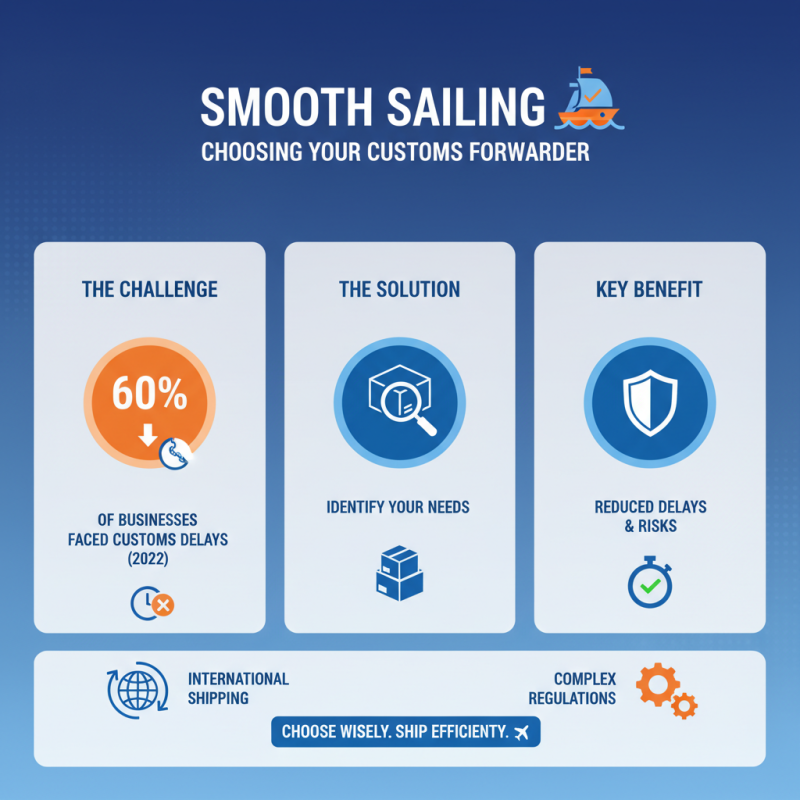
Choosing the right customs forwarder is crucial for efficient international shipping. In 2022, about 60% of businesses reported delays caused by customs issues. Understanding the specific needs of your shipments can help mitigate these risks. A forwarder with experience in your industry will likely navigate complex regulations better. This can reduce the chances of unexpected hold-ups.
It's essential to consider transparency. A forwarder who communicates clearly about fees and processes can save you stress. Data shows that 70% of companies prefer forwarders who offer real-time tracking and updates. These features prevent surprises during transit. Additionally, look for forwarders with strong relationships with customs authorities. It can facilitate smoother clearance and reduce potential fines.
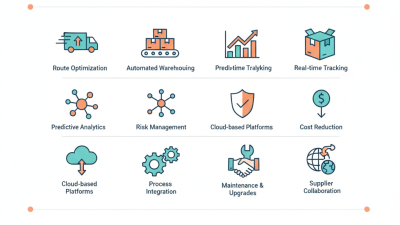
Finally, assess the technology used by the customs forwarder. Advanced tools can streamline documentation and compliance checks. Businesses that invest in technology experience a 35% reduction in shipping errors. However, not all forwarders keep pace with innovation. Some may still rely on outdated systems, leading to inefficiencies. It's important to ask probing questions before choosing your partner.
Top 10 Customs Forwarders for International Shipping
When it comes to international shipping, choosing the right customs forwarder is essential. They navigate complex regulations and ensure your goods reach their destination. Some logistics experts highlight the importance of customs brokers. They facilitate customs clearance and help avoid delays, saving you time and money.
Tips: Research potential forwarders. Look for those with experience in your industry. Read reviews and assess their communication style. A good forwarder should be responsive.
Consider the services offered. Some forwarders manage paperwork digitally. Others provide additional services, like insurance. Be sure to clarify any hidden fees upfront to avoid surprises later.
Frequent shipping could lead to ongoing relationships with customs forwarders. Evaluate their efficiency regularly. Are they resolving issues quickly? Reflect on their performance frequently. This will help you find the best fit for your international shipping needs.
10 Best Customs Forwarders for Your International Shipping Needs
| Forwarder Service |
Headquarters |
Years in Business |
Specialization |
Customer Rating |
| Service A |
USA |
25 |
Air Freight |
4.8/5 |
| Service B |
Germany |
15 |
Ocean Freight |
4.7/5 |
| Service C |
China |
10 |
Customs Brokerage |
4.6/5 |
| Service D |
UK |
18 |
E-Commerce |
4.9/5 |
| Service E |
Canada |
20 |
Freight Forwarding |
4.5/5 |
| Service F |
Netherlands |
30 |
Logistics Solutions |
4.8/5 |
| Service G |
Australia |
12 |
Warehousing |
4.4/5 |
| Service H |
Japan |
22 |
Specialty Shipping |
4.7/5 |
| Service I |
Singapore |
14 |
Consultancy |
4.6/5 |
| Service J |
France |
16 |
Integrated Services |
4.9/5 |
How to Evaluate the Services of Customs Forwarders
When evaluating customs forwarders, focus on their expertise in international shipping. A good forwarder should have a solid understanding of customs regulations. According to a recent report, 68% of delays in shipments are linked to poor customs clearance. Therefore, choose a forwarder with proven experience in navigating complex customs procedures.
Look for certifications and industry affiliations. These credentials indicate a forwarder's commitment to compliance and quality. Additionally, check their transit times and delivery reliability. Advanced tracking systems can significantly reduce uncertainty during shipment. Reports suggest that timely deliveries improve customer satisfaction by 35%.
Tip: Always ask for references before hiring a customs forwarder. Speaking to past clients can provide insights into their performance.
Consider language and communication skills too. A forwarder who can converse fluently in your language will ease potential misunderstandings. Clear communication is vital in avoiding hidden fees or compliance issues.
Finally, assess their fees carefully. Different forwarders may have varying pricing structures. Don’t always choose the lowest option; it’s essential to weigh cost versus value. Sometimes, a higher price means better service and fewer headaches.
Common Challenges in International Shipping and How to Overcome Them
International shipping is rife with challenges. Customs clearance can be a major hurdle. Delays often occur due to incomplete paperwork or improper labeling. Ensuring your documents are accurate is vital. Missing information can lead to costly delays. It's essential to double-check every detail.
Logistics issues can also arise. Goods may get damaged or lost in transit. Proper packaging is crucial. Use sturdy materials to protect your items. This reduces the risk of damage. Additionally, communication with your customs forwarder is key. They can provide guidance on requirements specific to your destination country.
Another concern is keeping costs manageable. Unexpected fees can arise, catching shippers off guard. It's important to understand all potential charges. Transparency with your forwarder is necessary. They should clarify customs duties and taxes upfront. Being informed helps avoid unpleasant surprises. Embracing these strategies can mitigate risks in international shipping.
International Shipping Challenges and Solutions
This chart illustrates common challenges faced in international shipping such as customs delays, cost overruns, damaged goods, lost shipments, and regulatory compliance. Each challenge is represented by the number of incidents reported in various shipping processes, helping to identify areas for improvement.