10 Best Logistic Transfer Strategies for Streamlined Supply Chain Management
In today's fast-paced marketplace, optimizing logistic transfer strategies has become essential for effective supply chain management. According to a 2022 report by Gartner, companies that achieve excellence in logistics are able to improve their overall supply chain efficiency by as much as 15%. With rising customer expectations for faster delivery times coupled with the complexities of global sourcing, the need for streamlined logistics processes has never been more critical. Efficient logistic transfer not only minimizes costs but also enhances customer satisfaction, making it a key focal point for organizations aiming to thrive in a competitive environment.
Moreover, a study conducted by Deloitte reveals that effective supply chain management can lead to a reduction in operational costs ranging from 10% to 20%. Companies are now leveraging advanced technologies such as artificial intelligence and the Internet of Things to re-evaluate their logistic transfer practices. By employing innovative strategies such as real-time tracking, automated inventory management, and data analytics, firms can respond to market demands swiftly and efficiently. In this ever-evolving industry landscape, exploring the best logistic transfer strategies is paramount for businesses seeking sustainability and growth in their supply chain operations.

Importance of Logistic Transfer Strategies in Supply Chain Management
Effective logistic transfer strategies are essential for optimizing supply chain management. These strategies facilitate the smooth movement of goods from suppliers to consumers, ensuring that inventory levels are maintained without the risk of overstocking or stockouts. By employing streamlined processes, organizations can significantly reduce lead times and enhance overall efficiency. This not only leads to cost savings but also improves customer satisfaction, as timely deliveries become a cornerstone of the business's reputation.
Moreover, the dynamic nature of modern supply chains necessitates adaptive logistic transfer strategies. With increasing complexities such as fluctuating demand, regulatory changes, and global competition, organizations must stay agile. By integrating technology and data analytics into their logistics frameworks, businesses can predict trends and adjust their operations accordingly. This proactive approach not only safeguards against disruptions but also positions companies to capitalize on emerging opportunities, reinforcing the critical role that logistic transfer strategies play in sustainable supply chain management.
Key Components of an Effective Logistic Transfer Strategy
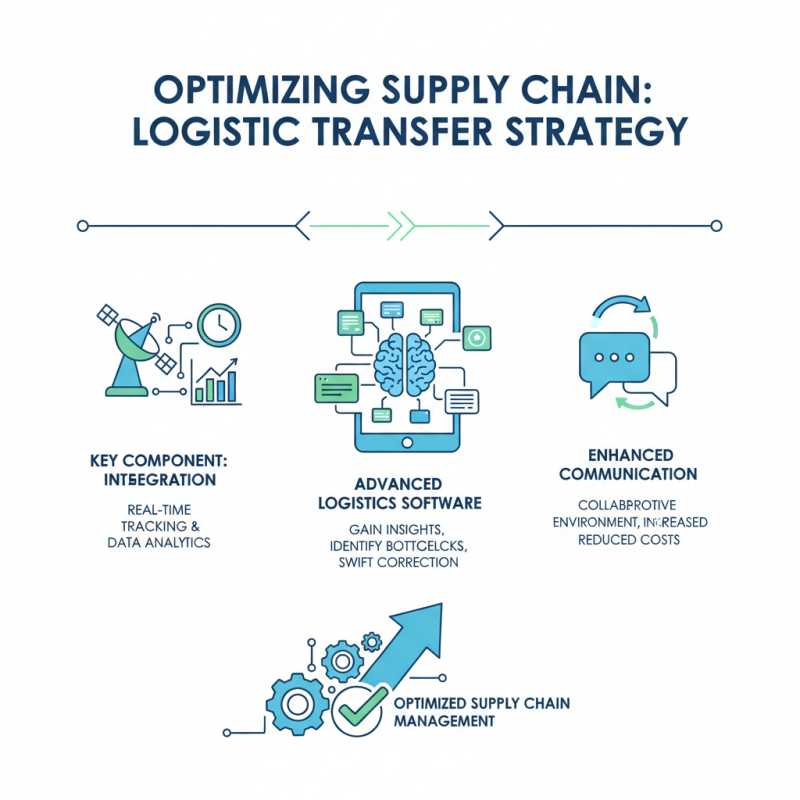
An effective logistic transfer strategy is essential for optimizing supply chain management. One of the key components is the integration of technology, which enables real-time tracking and data analytics. By employing advanced logistics software, companies can gain insights into their supply chain processes, allowing them to identify bottlenecks and implement corrective measures swiftly. This technological integration also enhances communication between all parties involved, fostering a collaborative environment that can lead to increased efficiency and reduced costs.
Another critical element of a successful logistic transfer strategy is the establishment of clear guidelines and standardized processes. This ensures that all stakeholders understand their roles and responsibilities, minimizing the risk of errors and delays. Moreover, fostering strong relationships with logistics providers can enhance flexibility and responsiveness. A well-defined partnership allows for the sharing of critical information and resources, which ultimately contributes to a more agile supply chain. By focusing on these components, businesses can create a solid foundation for managing logistics effectively.
Top 10 Logistic Transfer Strategies for Enhanced Efficiency
Efficient logistics transfer strategies play a crucial role in the optimization of supply chain management. According to the 2022 Logistics Management Report, companies can achieve up to 30% cost reduction by implementing streamlined logistic processes. The integration of technology, such as automated tracking systems and AI-driven forecasts, enhances visibility and allows for more proactive decision-making. By embracing these advancements, organizations can not only cut costs but also improve service levels and customer satisfaction.
Tips for improving logistic transfer strategies include adopting real-time data analytics to identify bottlenecks and optimize routes. Implementing collaborative platforms among suppliers, logistics providers, and customers can significantly enhance communication and reduce delays. A study by the Supply Chain Insights Coalition indicated that organizations with higher collaboration levels achieved a 25% faster delivery rate, underscoring the importance of transparency in the supply chain.
Additionally, training staff on new systems and fostering a culture of continuous improvement are essential. Organizations that invest in employee development reported a 15% improvement in productivity, according to the 2023 Industry Leadership Study. This not only empowers the workforce but also prepares the logistics network to adapt to changing market demands swiftly. Such strategic investments in training and technology ultimately lead to enhanced efficiency and resilience in supply chains.
Measuring the Success of Logistic Transfer Strategies
Measuring the success of logistic transfer strategies is crucial for enhancing supply chain efficiency. According to a report from the Council of Supply Chain Management Professionals (CSCMP), organizations that effectively measure logistics performance experience up to 20% improvement in delivery times and a 15% reduction in operational costs. Key performance indicators (KPIs) such as on-time delivery rates, order accuracy, and transportation costs can provide valuable insights into the effectiveness of logistic transfer strategies. By utilizing real-time data analytics, companies can identify bottlenecks and streamline operations, ultimately leading to optimized supply chain performance.
In a comprehensive analysis conducted by the Logistics Management Magazine, it was revealed that businesses implementing advanced tracking and measurement systems reported a 25% increase in customer satisfaction and retention rates. Additionally, firms that engage in regular assessment of their logistic strategies are 30% more likely to adopt innovative logistics technologies, leading to enhanced visibility and adaptability in their supply chains. By continuously evaluating these strategies, organizations can align their logistics processes with evolving market demands, thereby achieving measurable success and maintaining a competitive edge in their respective industries.
Future Trends in Logistic Transfer for Supply Chains
The logistics industry is witnessing transformative changes as technology advances and consumer expectations evolve. One of the key future trends in logistic transfer for supply chains is the increasing adoption of automation and robotics. According to a report from the World Economic Forum, by 2025, over 50% of logistics operations will incorporate some form of automation, which is expected to enhance efficiency and reduce costs significantly. Automated guided vehicles (AGVs) and drones are emerging as practical solutions for last-mile delivery, helping businesses meet the growing demand for faster and more reliable service.
Another pivotal trend is the integration of artificial intelligence (AI) and machine learning into supply chain management. AI technologies facilitate advanced data analytics, enabling companies to make more informed decisions regarding inventory management and demand forecasting. A study by McKinsey & Company predicts that AI in supply chains could create up to $1.3 trillion in value by 2030, underscoring the importance of leveraging these capabilities to stay competitive in the market.
Tips: To optimize logistic transfer strategies, businesses should prioritize real-time data tracking and analysis, which can significantly improve visibility throughout the supply chain. Additionally, investing in training for staff to adapt to new technologies can ensure smooth transitions and maximize the benefits of automation. Embracing sustainability practices in logistics, such as optimizing routes to reduce carbon footprints, will not only meet regulatory pressures but also align with consumer expectations for responsible business practices.