Best Windows and Doors for Energy Efficiency in 2026?
As we approach 2026, energy efficiency in home construction takes center stage. The choice of windows and doors is crucial for improving overall thermal performance. Experts like James A. Pruitt, a leading figure in the Window & Door industry, emphasize, “The right windows and doors can significantly reduce energy costs.” This insight is becoming increasingly relevant as homeowners seek sustainable solutions.
Windows and doors contribute significantly to energy loss in homes. Poor choices can lead to higher utility bills and a less comfortable living environment. In contrast, selecting energy-efficient options can enhance insulation and reduce reliance on heating and cooling systems. Yet, many still overlook these aspects when renovating or building.
However, navigating countless products can be overwhelming. Not every homeowner is familiar with energy ratings or the latest technologies. Reflecting on choices is essential. Are energy-efficient products being prioritized properly? The industry must balance aesthetics with functionality. Clear guidance can help homeowners make informed decisions about their Window & Door selections.
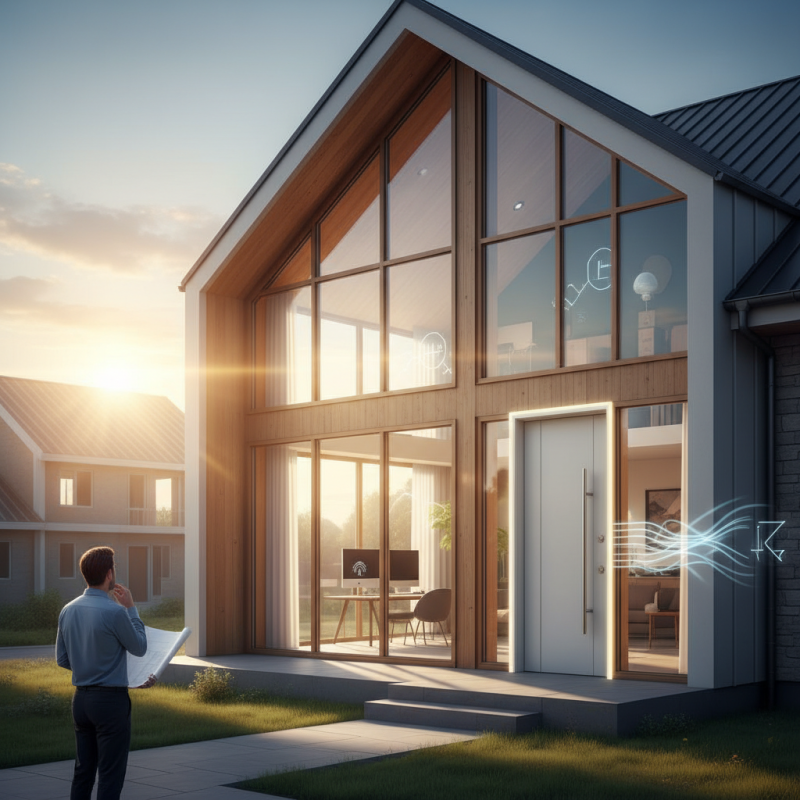
Top Energy-Efficient Window Materials in 2026
As we look toward 2026, energy efficiency in windows and doors will remain crucial. Selecting the right materials can significantly impact energy savings. Popular choices include vinyl, fiberglass, and wood. Each material offers unique benefits and drawbacks.
Vinyl windows are lightweight and easy to maintain. They provide good insulation but can fade over time. Fiberglass windows stand out for their durability, resisting warping and cracking. However, they tend to be more expensive upfront. Wood offers natural beauty and excellent insulation. Yet, it requires regular maintenance to prevent rot and bugs.
Consumers may face challenges when choosing materials. The energy savings often take time to notice. Some homeowners may overlook their long-term value. It's essential to consider climate and location when selecting these products. Understanding energy ratings can be confusing. Still, investing in the right windows and doors can offer significant benefits. Making informed choices is the key to true energy efficiency.
Best Windows and Doors for Energy Efficiency in 2026
Best Door Types for Energy Efficiency: A Comprehensive Guide
When considering energy efficiency in doors, several factors come into play. A good door reduces heat loss. The U-value indicates how well a door insulates. In 2023, a study revealed that doors with a U-value of 0.3 or lower can significantly cut energy costs. Many homeowners replace old doors with models that offer better insulation. This change can lead to savings of 10-20% on heating bills.
Material also matters. Fiberglass and steel doors outperform wooden options. They provide better thermal performance and resist warping. According to the Department of Energy, steel doors can save you up to 24% on annual energy usage. Some might wonder about aesthetics versus performance. It’s often a trade-off. A visually appealing door that lacks insulation can lead to higher energy bills.
Moreover, air sealing plays a critical role. Poorly installed doors allow drafts to seep in. Even the best materials won’t perform well if not properly installed. This is where consumers must make informed choices. Visiting a showroom helps visualize options. However, not every product is energy-efficient, even if marketed as such. Many claims require scrutiny. Understanding features is crucial for making the right investment in energy-efficient doors.
Understanding Energy Ratings and Their Importance for Windows and Doors
When selecting windows and doors, energy ratings are crucial. These ratings indicate how well a product can insulate your home. High energy efficiency reduces heating and cooling costs. Many people overlook these ratings. It’s often an afterthought. Understanding these metrics can lead to smarter choices.
Energy ratings consist of several factors. The U-factor measures heat transfer. Lower values indicate better insulation. Solar heat gain coefficient is also essential. It evaluates how much solar heat penetrates through glass. You want a lower rating if reducing heat gain is your goal. It’s surprising how little attention we pay to this.
Making informed decisions can be challenging. Some may find energy ratings too technical. Yet, taking the time to understand them pays off. Homeowners should consult resources or experts about these ratings. Inadequately rated windows and doors may lead to increased energy bills. Skimping on quality could result in regrets later.
Innovative Technologies in Windows and Doors for Enhanced Energy Performance
Innovative technologies in windows and doors are advancing rapidly. The focus is on energy efficiency, which is critical for reducing utility bills and minimizing environmental impact. According to a report by the U.S. Department of Energy, upgrading to energy-efficient windows can save homeowners 10-25% on heating and cooling costs. This makes innovation a priority for both manufacturers and consumers.
Recent developments include advanced glazing options. Low-emissivity (Low-E) coatings enhance insulation. They optimize solar heat gain in winter while reflecting unwanted heat in the summer. These coatings are just one example of how technology is transforming energy performance. In 2023, more than 50% of new windows incorporated Low-E coatings, accelerating market shifts toward energy efficiency.
Smart window technology is gaining traction. These windows automatically adjust tint based on sunlight. They can reduce heat loss significantly. Industry studies suggest using smart windows can improve overall energy efficiency by up to 30%. However, the high cost of installation remains a barrier; many consumers are still hesitant. Though progress is evident, optimizing these technologies for affordability requires more attention from developers.
Cost vs. Benefits: Investing in Energy-Efficient Windows and Doors
Investing in energy-efficient windows and doors can lead to substantial long-term savings. According to the Department of Energy, homeowners can save between $100 and $500 annually on energy bills. These windows and doors minimize heat transfer, keeping homes warmer in winter and cooler in summer. Even small gaps can lead to significant energy loss, often overlooked during home renovations.
The initial cost can seem daunting. Energy-efficient options may range from 10% to 30% higher than standard models. However, the potential return on investment can be significant. Some reports suggest that energy-efficient upgrades can increase home value by up to 15%. Additionally, programs often offer incentives, and many homeowners qualify for tax credits as well.
Making a choice requires careful consideration. It's not just about immediate costs but future savings. While energy-efficient models may come with higher upfront expenses, the benefits stretch over years. Reflecting on current needs versus future goals is vital. There are always trade-offs in home improvement choices. By balancing initial costs and long-term savings, homeowners can make informed decisions.
