China Top Services Transport Solutions for Global Buyers?
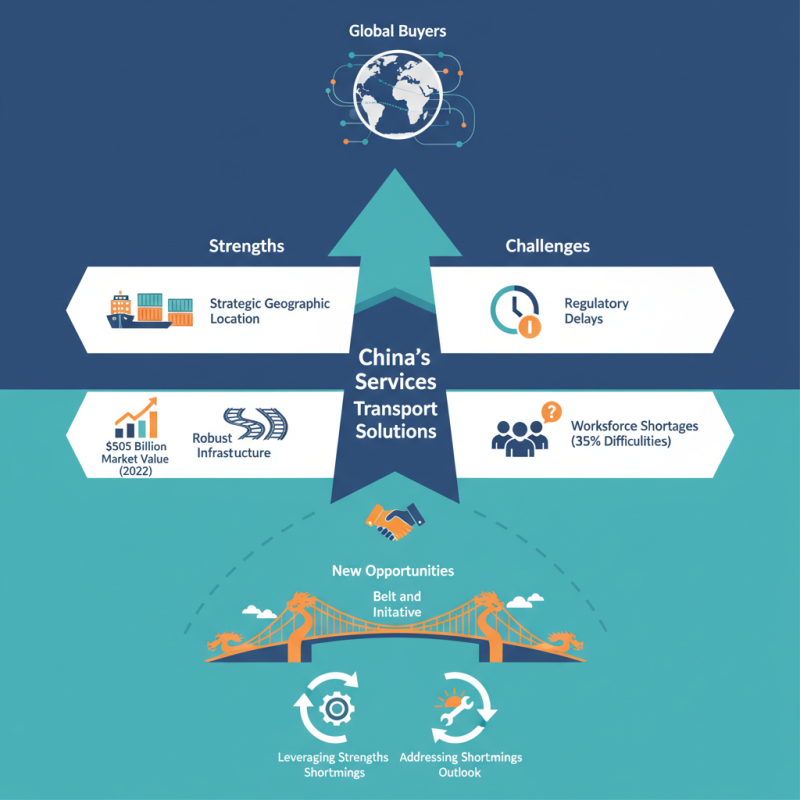
In recent years, China's services transport industry has emerged as a key player in the global logistics market. According to a report by Statista, the Chinese logistics market was valued at approximately $505 billion in 2022. This dramatic growth reflects the increasing demand for effective services transport solutions among global buyers. China's strategic geographic location and robust infrastructure have made it a central hub for international trade.
The country has invested heavily in enhancing its services transport capabilities. Major ports, railroads, and highways have been developed to support the growing demand. However, challenges remain. Issues such as regulatory delays and workforce shortages can hinder efficiency. A survey by the China Federation of Logistics and Purchasing revealed that 35% of logistics companies face difficulties in meeting service expectations.
Despite these challenges, the outlook for China's services transport sector is optimistic. The government's initiatives, such as the Belt and Road Initiative, aim to improve trade connectivity. This offers new opportunities for global buyers seeking reliable and innovative transport solutions. As the services transport market continues to evolve, it will be crucial for stakeholders to address existing shortcomings while leveraging strengths.
China's Leading Role in Global Transport Solutions
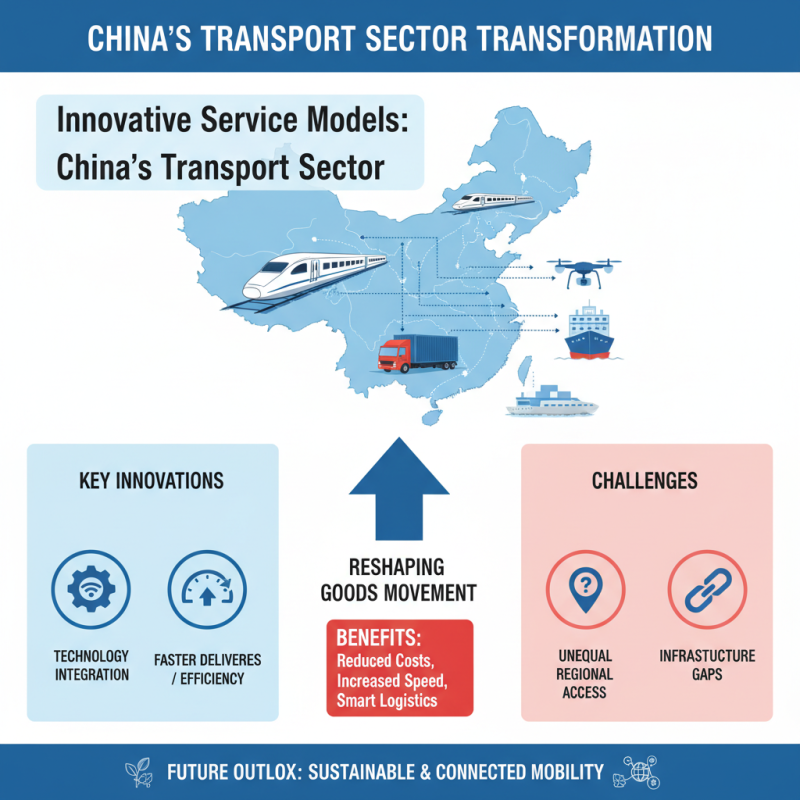
China has emerged as a key player in global transport solutions. Its extensive logistics network serves many international markets. A mix of rail, sea, and air transport options enhances its effectiveness. China's commitment to infrastructure development is notable. High-speed railways connect major cities, making transport faster and more efficient.
However, challenges remain. The rapid growth of e-commerce increases demand for reliable logistics. Inadequate last-mile delivery options can hinder service quality. Additionally, environmental concerns prompt discussions on sustainable transport methods. Balancing growth and sustainability is crucial.
Experts in the industry highlight the importance of innovation. Technology in logistics, such as AI and automation, is transforming operations. These advancements improve transparency and efficiency. Yet, adapting to new technology poses a challenge for many. The need for skilled professionals is growing. Continuous improvement is essential to maintain China's leading role in global transport solutions.
Key Players in China's Transport Services for International Markets
China has become a significant player in global transport services, offering diverse solutions for international markets. The logistics industry in China is rapidly evolving, driven by technological advancements and increased demand for efficient transportation channels. According to industry reports, the value of China's logistics market is projected to reach over $3 trillion by 2025, showcasing its growing importance on the world stage.
Key players in this sector focus on optimizing supply chains and enhancing service delivery. Domestic freight services, international shipping solutions, and last-mile delivery options constitute a sizeable market. Companies are utilizing artificial intelligence and big data analytics to improve operational efficiency. However, challenges still exist. Infrastructure gaps and regulatory hurdles can impede seamless operations. Moreover, maintaining quality while expanding services can be difficult for many providers in a highly competitive environment.
The market is characterized by rapid changes, where adaptability is crucial. While many companies have showcased rapid growth, they must also reflect on their sustainability practices. Balancing growth with environmental responsibilities remains an ongoing concern. As China continues to innovate and expand its transport services, stakeholders need to prioritize reliability and consumer trust to enhance their global appeal.
China Top Services Transport Solutions for Global Buyers
| Transport Mode |
Service Type |
Average Transit Time (Days) |
Key Features |
Target Market |
| Air Freight |
Express Delivery |
1-3 |
Fast delivery, Global reach |
E-commerce |
| Ocean Freight |
Full Container Load (FCL) |
15-30 |
Cost-effective, Large capacity |
Retail, Manufacturing |
| Rail Freight |
Bulk Transport |
7-14 |
Eco-friendly, Reliable |
Industrial goods |
| Road Transport |
Last Mile Delivery |
1-7 |
Flexible routes, Door-to-door |
Urban delivery |
Challenges and Opportunities for Global Buyers in China’s Transport Industry
China's transport industry presents a mixed bag of challenges and opportunities for global buyers. The sector, valued at over $800 billion in 2022 according to industry reports, is set to grow annually by 5.2%. This rapid development offers potential advantages like access to cutting-edge logistics solutions and an efficient network. However, global buyers must navigate a landscape rife with unpredictability and complexity.
For instance, regulatory changes can impact operations significantly. Recent reports indicate that over 70% of foreign buyers experience delays due to compliance issues with local regulations. This often results in increased costs and disruptions. Moreover, language barriers and cultural differences pose additional hurdles in negotiations. Reports suggest that miscommunication leads to project delays in about 30% of cases.
The increasing push for sustainability within China's transport sector opens new avenues. A government initiative aims to reduce carbon emissions by 40% by 2030, presenting opportunities for buyers interested in eco-friendly transport solutions. Nevertheless, this transition may not be seamless. Companies may face challenges in adapting to new standards and technologies, necessitating careful planning and flexibility.
Future Trends in China’s Transport Solutions for Global Supply Chains
China's transport solutions are evolving to meet the needs of global supply chains.
Data from the China Transportation Development Report 2023 highlights a projected growth of
5.5% in logistics services.
Factors driving this trend include technological innovations and an increased focus on
sustainability.
Many companies are exploring automation and artificial intelligence
to improve efficiency and reduce costs.
Innovative practices are being adopted at ports and warehouses. According to the
National Bureau of Statistics, container throughput at Chinese ports has risen by
7% year-over-year.
Smart logistics platforms are integrating real-time data analytics, allowing for better decision-making.
Yet, challenges remain. Infrastructure bottlenecks can still hinder rapid scalability.
Furthermore, the reliance on specific technologies can pose risks if not managed properly.
Sustainability is becoming a central focus in this industry. The
China State Council has set targets to reduce carbon emissions associated with logistics.
While progress is being made, achieving these goals requires collaboration across sectors.
Balancing growth and environmental impact remains critical. As businesses adapt to these trends,
they must also consider the potential downsides of rapid technological adoption.
Robust frameworks are needed to mitigate risks effectively.