How to Choose the Best Personal Scooter for Your Needs?
Choosing the right Personal Scooter can be overwhelming. With numerous options available, it’s essential to find one that suits your lifestyle. Industry expert John Doe, a noted mobility consultant, emphasizes, "A personal scooter should enhance your independence and comfort." He highlights the importance of matching your needs with the right features.
When considering a personal scooter, assess your daily routine and terrain. Will you use it primarily for commuting or leisure? Different models cater to distinct needs, such as portability, battery life, and weight capacity. Look for designs that align with your environment. If you frequently navigate crowded areas, a compact scooter may be ideal.
It’s also critical to evaluate safety features. Stability and braking systems significantly impact your riding experience. As with any product, some scooters may not meet expectations. Researching reviews and expert opinions ensures you make an informed decision. A suitable personal scooter can transform your mobility, enhancing your quality of life one ride at a time.
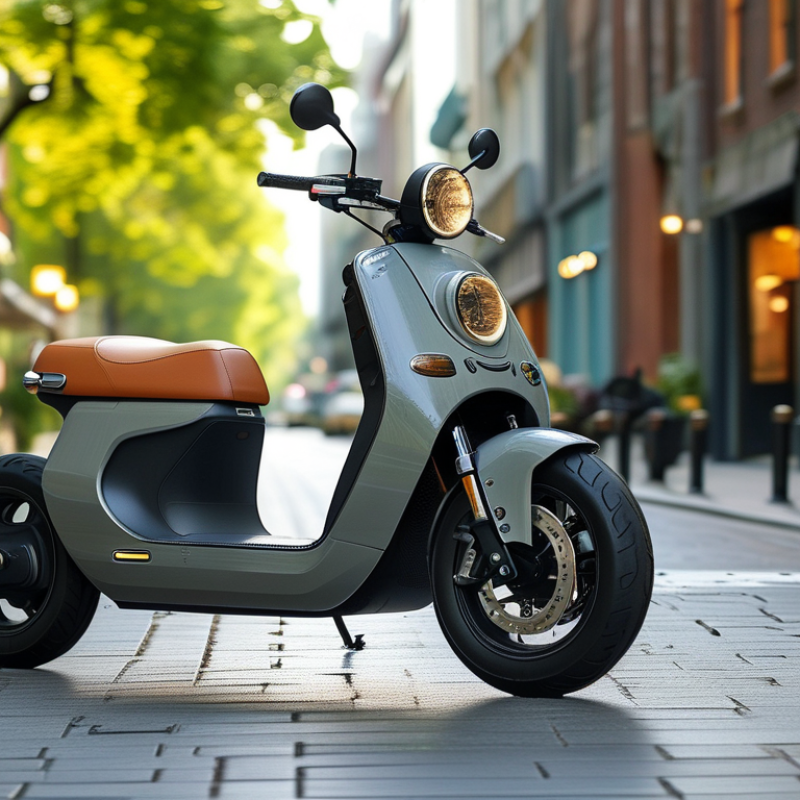
Factors to Consider When Choosing a Personal Scooter
Choosing a personal scooter requires careful consideration of several factors. Weight capacity is crucial. Many scooters support riders up to 220 pounds, but some models can handle more. Check the scooter's specifications to match your needs. Comfort also plays a role. Look for features like adjustable handlebars and cushioned seats. A recent study shows that comfort increases user satisfaction by 30%.
Battery life is another significant consideration. Many scooters offer 15 to 30 miles per charge. If you plan longer commutes, choose a model with extended battery life. Keep in mind that battery performance can decline over time, impacting range.
Tips: When shopping, test ride different models. Handling and stability matter. If the scooter feels wobbly, it may not be the right fit. Also, consider the terrain. Off-road scooters often have larger wheels and stronger motors, suitable for uneven surfaces. Reflect on your daily routes and lifestyle to ensure you select a scooter that complements your needs.
Comparing Different Types of Personal Scooters: Electric vs. Kick
When comparing different types of personal scooters, two main categories emerge: electric and kick scooters. Electric scooters have gained popularity, boasting speeds of up to 15-20 mph. According to the Micromobility Report 2023, the global electric scooter market will grow by 8.5% annually over the next five years. They often come with features like lights and built-in batteries, making them user-friendly for urban commuters.
Kick scooters, on the other hand, offer a simpler mode of transport. They require physical effort to propel and are typically lighter. Data from the National Association of City Transportation Officials indicates that kick scooters are popular for short distances and are more environmentally friendly. They also often have lower maintenance costs compared to electric models. That said, they may not be suitable for longer commutes or hilly terrains.
Tips: Consider your commutes. For longer distances, electric scooters are beneficial. But if you only need to cover short distances, a kick scooter may suffice. Think about storage as well. Electric scooters can be bulkier, while kick scooters are easily foldable. Finally, ensure to check weight limits. Electric scooters may have restrictions based on motor capabilities. Taking these factors into account helps in making an informed decision.
Essential Safety Features for Personal Scooters: What to Look For
When selecting a personal scooter, safety features should be a top priority. Look for scooters equipped with bright LED lights. These enhance visibility during night rides. A reliable braking system, such as electronic brakes, is essential. It can provide quick stops in emergencies. Always consider scooters with a sturdy frame to ensure durability.
Tips: Test the brakes before purchase. This simple check can save a lot of trouble.
The deck should have a non-slip surface. This prevents accidental slips while riding. Additionally, consider scooters with adjustable handlebars. This feature allows for a comfortable riding position, minimizing strain.
Tips: Pay attention to the weight limit. It’s crucial for balance and safety.
Reflective strips on the scooter can add extra visibility. These features combined with strong tires can enhance safe riding behavior. Don't overlook these details when making your choice. Always think about how you ride and where you ride. Reflect on your needs carefully.
Understanding Weight Capacity and Range: Key Metrics for Selection
When selecting a personal scooter, two crucial metrics stand out: weight capacity and range. Understanding these factors can significantly impact your daily usage and satisfaction. Weight capacity determines how much load a scooter can safely carry. Exceeding this limit can induce wear and compromise safety. Most personal scooters cater to specific weight limits, typically ranging from 200 to 350 pounds. Always check these specifications before purchase.
Range is the distance a scooter can travel on a single charge. This can vary significantly with factors like terrain and rider weight. For urban commuting, a range of 15 to 30 miles may suffice. However, if longer rides are expected, consider scooters that offer extended range options. Riders often overlook how terrain impacts scooter performance. Hilly areas may drain batteries faster and limit range.
Reflecting on your needs is vital. Consider your typical route and frequency of use. Are you commuting short distances regularly, or do you need longer trips occasionally? A scooter with a lower range might work for errands but not for longer travels. Ultimately, choosing wisely ensures a smoother and safer ride.
Personal Scooter Weight Capacity and Range Comparison
The Importance of Portability and Storage in Personal Scooters
When choosing a personal scooter, portability and storage are crucial factors. A compact design enables easy transportation. Whether you plan to carry it on public transport or store it at home, size matters. A lightweight scooter can fit into smaller spaces. This feature makes your daily commute hassle-free.
Tips: Consider a foldable scooter for added convenience. Look for models with quick-release mechanisms. This allows you to fold and unfold with ease.
Storage options also impact your choice. Think about where you will keep your scooter. If space is limited, a vertical storage option is beneficial. Some scooters come with integrated storage solutions. This can help keep your essentials organized and secure.
Tips: Explore different storage accessories. Some scooters offer baskets or hooks. This can enhance your daily use experience. Remember, practicality increases overall satisfaction. Consider your environment before making a decision. A scooter that doesn't fit your lifestyle can lead to frustration.
