How to Choose the Best Customs Expeditor for Your Imports?

Choosing the best customs expeditor is crucial for your import strategy. A skilled customs expeditor can streamline the shipping process and ensure compliance with regulations. Poor choices can lead to delays and financial losses.

When evaluating potential customs expeditors, consider their experience and knowledge in the field. Look for a partner with a proven track record. Their expertise will help navigate complex customs regulations. A reputable customs expeditor should also provide clear communication and support throughout the process.

It’s worth reflecting on your specific needs. Not all customs expeditors are the same. Some may lack the local knowledge of specific markets. This can impact your imports significantly. Engage in conversations with potential expeditors to gauge their understanding of your industry. Your choice will affect the efficiency and cost-effectiveness of your operations.

How to Choose the Best Customs Expeditor for Your Imports?

Understanding the Role of Customs Expeditors in Importing Goods

Customs expeditors play a vital role in the importing process. They help streamline the movement of goods across borders. By ensuring compliance with local and international regulations, these professionals minimize delays. Their expertise can save time and resources for businesses.

Understanding customs regulations can be complex. An efficient customs expeditor knows how to navigate this landscape. They handle paperwork, tariffs, and duties that can be overwhelming for importers. Their attention to detail helps avoid potential pitfalls that could disrupt the supply chain.

Choosing the right expeditor requires careful consideration. Look for someone with a strong track record. An experienced professional can adapt to changes quickly. They should be reliable and communicate effectively. Not every expeditor fits every business need. Consider your specific requirements and build a partnership that works for you.
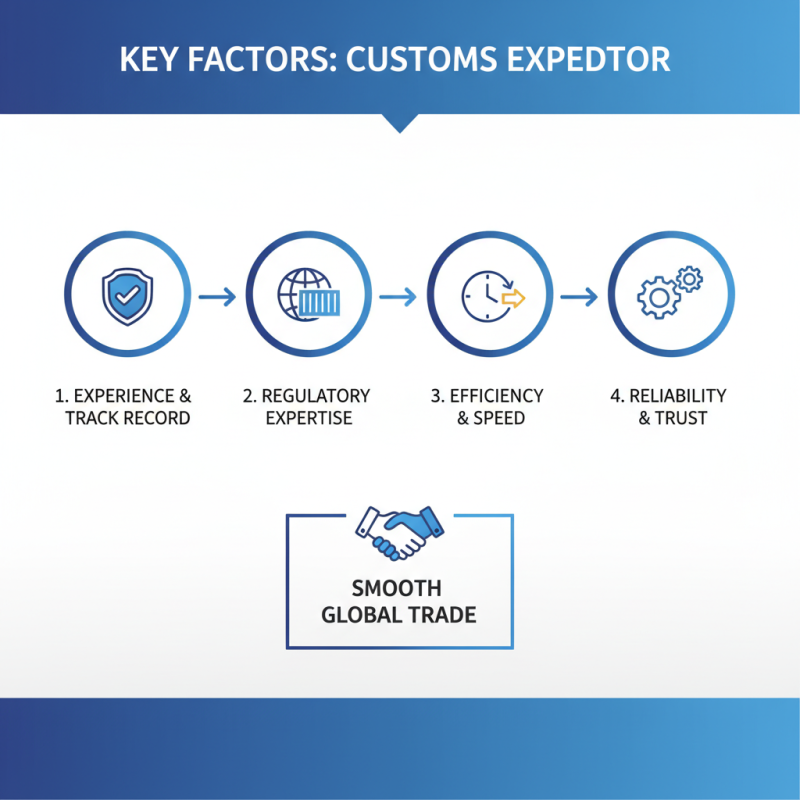
Key Factors to Consider When Choosing a Customs Expeditor

How to Choose the Best Customs Expeditor for Your Imports?

Choosing a customs expeditor requires careful consideration of several key factors. Experience is crucial. Look for an expeditor with a proven track record in managing imports. Their background in handling customs regulations can significantly ease the process. A well-versed professional will navigate complexities smoothly, minimizing delays.

Another important aspect is knowledge of your specific industry. Different sectors have unique requirements. A generalist may miss the nuances that affect your imports. In-depth expertise ensures compliance with all relevant laws. It can also lead to better connections within the customs system.

Lastly, communication is vital. Choose someone who can explain the process clearly. This helps you understand the logistics involved and builds trust. Regular updates on your shipment status increase reliability. Remember that a collaborative relationship reduces unexpected hurdles during imports. Reflect on these factors carefully when making your selection.

Evaluating the Experience and Credentials of Customs Expeditors

When selecting a customs expeditor, evaluating their experience and credentials is crucial. A report by the International Trade Administration states that over 80% of importers cite compliance as their top concern. It’s essential to find someone who understands the complexities of customs regulations. A qualified expeditor should have several years of experience in the field. They should be familiar with the specific customs procedures relevant to your industry.

Moreover, certifications play a significant role in establishing trust. Not all customs expeditors have the same level of training. Look for those certified by recognized organizations. For instance, certifications like the Customs Broker License indicate a strong foundation in U.S. customs regulations. Reports indicate that importers using certified expeditors are less likely to encounter costly shipping delays.

However, not every expeditor's credentials guarantee success. Read reviews and check references carefully. Miscommunication or lack of detailed knowledge can lead to compliance issues. According to recent studies, 30% of importers faced delays due to inadequate documentation by expeditors. Creating a partnership with the right expert is key. Be cautious and ensure they have a proven track record in handling similar imports.

Assessing Technology and Tools Used by Customs Expeditors

When selecting a customs expeditor, technology plays a critical role. Assessing the tools they utilize can reveal their efficiency and reliability. Experience matters; expeditors equipped with advanced tracking systems can provide real-time updates. This transparency builds trust and allows for better decision-making.

Examine the software they use for documentation. A user-friendly interface facilitates smooth communication. However, a heavy reliance on technology can lead to dependency. If systems fail, it may delay shipments. Look for expeditors who balance innovation with traditional methods. They should possess problem-solving skills when technology falls short.

Ask about their data security measures. Protection against breaches is vital. Reliable customs expeditors will prioritize safeguarding sensitive information. Moreover, assess their ability to adapt to changing regulations. Customs rules frequently shift. An expeditor's flexibility shows their expertise and readiness to tackle complications.

How to Choose the Best Customs Expeditor for Your Imports? - Assessing Technology and Tools Used by Customs Expeditors

Technology/Tool Description Benefits Considerations
Customs Compliance Software Software that ensures all customs regulations are met. Reduces the risk of compliance issues. May require regular updates for compliance changes.
Tracking Systems Tools for monitoring shipments throughout the transport process. Enhances visibility of shipments. Tech support might be necessary for troubleshooting.
Data Analytics Tools Platforms that analyze shipping data for actionable insights. Improves decision-making and efficiency. Requires data management skills to utilize effectively.
E-invoicing Solutions Automated invoicing tools for customs documentation. Speeds up billing processes and reduces errors. Integration with existing systems can be challenging.
Mobile Apps Apps that offer on-the-go access to shipping and customs information. Increases flexibility for customs expeditors. User training may be necessary for effective use.

Comparing Costs and Services of Different Customs Expeditors

When choosing a customs expeditor, costs and services play a crucial role. Expeditors can vary in fees based on their expertise and offerings. Some may charge a flat fee, while others take a percentage of your shipment value. Comparing these costs can reveal significant differences. It's essential to request detailed quotes from multiple expeditors. This step helps identify the most cost-effective option for your needs.

Services offered by expeditors also differ widely. Some might provide only basic paperwork assistance, while others offer full logistics support, including customs clearance and shipping coordination. Understanding the range of services can help you determine the best fit for your import needs. For instance, an expeditor with strong international connections may streamline your process.

While assessing costs and services, consider your unique shipping scenarios. Think about your import frequency and product types. An expeditor that excels in your specific area can enhance efficiency. Be mindful that not all expeditors are created equal; even experienced professionals may have limitations. Reflect on their past performance and client feedback to ensure reliability.

Go to Top