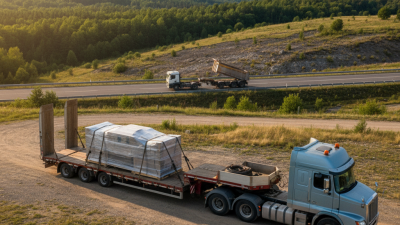
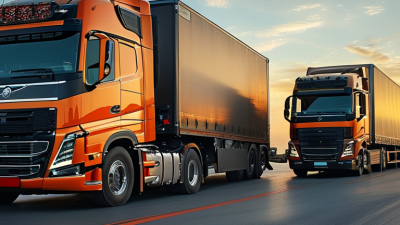
Choosing the right trucks trailers can significantly impact your transportation needs. Whether for personal or business use, understanding your specific requirements is key. The market offers various options, making the selection process overwhelming.
Trucks trailers are designed for different purposes, ranging from heavy-duty hauling to light cargo transport. Evaluating your intended use is crucial. For instance, consider weight capacity, dimensions, and durability. Each feature impacts efficiency and safety.
Many buyers overlook essential factors such as maintenance costs and resale value. Reflecting on these aspects can lead to better long-term decisions. It is not just about initial purchase price. Investing in the right trucks trailers requires deeper insights and careful thought.
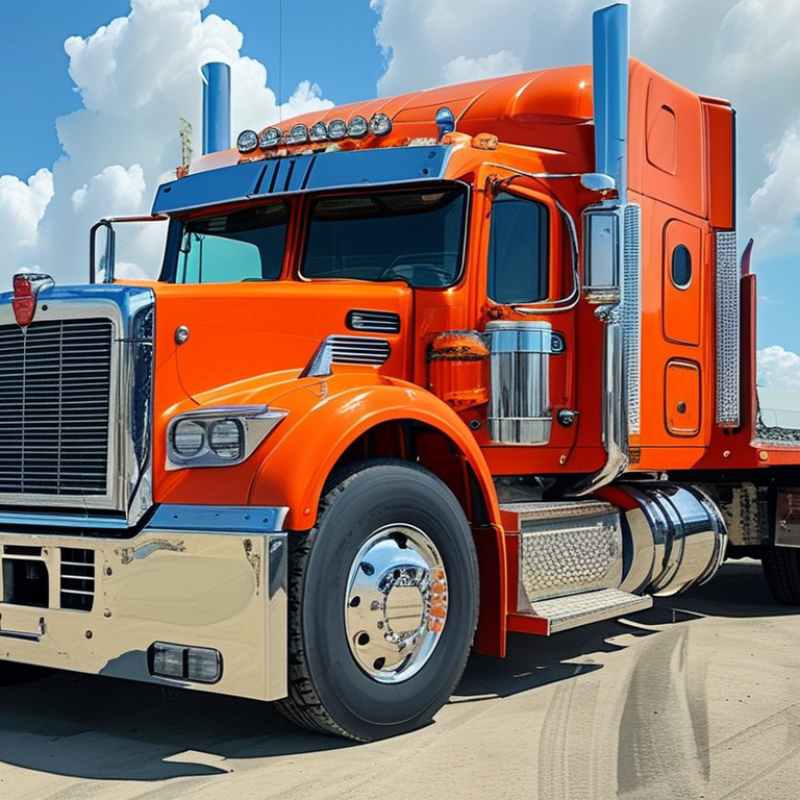
When selecting the right truck trailers, understanding your transportation needs is crucial. Different businesses have distinct requirements based on the type of goods they transport and the volume of cargo. For instance, a company shipping heavy machinery needs robust trailers that can support significant weight. On the other hand, a business that moves perishable products might prioritize trailers with temperature control features.
Assessing your operational environment is equally important. If your routes are mainly urban, maneuverability becomes a priority. Trailers that are too long or cumbersome can create challenges in tight spaces. Conversely, for long-haul routes, aerodynamics and fuel efficiency can greatly impact costs. It's essential to reflect on your typical trips and analyze what works best.
Don’t forget the importance of reliability and maintenance. A reliable trailer minimizes downtime, which is critical for profitability. However, many overlook the long-term costs associated with maintenance. Remember, the cheapest option isn't always the most cost-effective in the long run. Evaluating durability and service support can prevent unexpected disruptions.
When evaluating different types of truck trailers, it’s essential to consider their specific functions. Flatbed trailers are versatile and can carry a wide range of loads. They are ideal for transporting large machinery or construction materials. However, they lack sides and a roof, making them unsuitable for weather-sensitive cargo. Enclosed trailers offer better protection for goods but can be limited in height and weight capacity. Each type has its strengths and weaknesses, which can impact your decision.
Another critical aspect is the weight distribution of the trailer. Ensure that your truck can handle the weight you intend to load. Improper weight distribution can lead to safety hazards while on the road. Some trailers come with built-in loading ramps, simplifying the loading process. This feature can save time and reduce labor costs. However, consider how often you will require these specific functions. If you're transporting a variety of goods, versatility might outweigh specialized features.
It's important to reflect on your long-term needs. The best choice today may not fit your needs tomorrow. For example, a smaller trailer can lower initial costs but might limit future projects. Assessing your current and future requirements is crucial for making a wise investment. Take your time comparing options to find a trailer that aligns with your operational goals.
When selecting the ideal truck trailer, consider the load capacity. Each trailer has a specific weight limit. Ensure it aligns with your transport needs. Insufficient capacity can lead to safety hazards and inefficiencies.
Another key feature is the trailer's compatibility with your vehicle. Check the hitch type and ensure it matches your truck. A misfit can result in difficulties during loading or towing. Measure the height and width carefully to avoid complications.
Evaluate the materials used in the trailer's construction. Steel and aluminum are popular choices, each with pros and cons. Steel offers strength but can rust; aluminum is lighter but might bend under heavy loads. Reflect on your environment and demands before deciding. Make an informed choice based on durability and maintenance needs.
| Feature | Importance | Specifications | Considerations |
|---|---|---|---|
| Load Capacity | High | Typically ranges from 5,000 to 30,000 lbs | Ensure it meets your cargo weight needs |
| Trailer Type | High | Flatbed, enclosed, utility, etc. | Select based on the nature of goods |
| Durability | Medium | Material used: steel, aluminum, etc. | Consider the environment where it will be used |
| Braking System | High | Electric, hydraulic, or pneumatic brakes | Check for efficiency and maintenance requirements |
| Size & Dimensions | High | Standard sizes range from 14 to 53 feet | Match with your vehicle and storage space |
| Weight Distribution | Medium | Check load balancing and structure | Important for safety and vehicle performance |
| Accessibility | Medium | Ramp size, door type, etc. | Consider loading and unloading efficiency |
| Cost | High | Prices vary widely based on features | Balance cost with trailer features |
| Warranty & Support | Medium | Duration and coverage details | Check for after-sales service availability |
| Safety Features | High | Reflectors, LED lights, brake lights | Prioritize safety for compliance and security |
When evaluating budget and cost-effectiveness in trailer selection, it’s essential to align your choices with your financial limits. Assess your total budget, considering both the upfront cost and ongoing expenses. Look into maintenance fees and fuel efficiency, as these can significantly impact long-term value.
One way to maximize your budget is to investigate the market for used trucks trailers. They often come at a fraction of the new price. However, be careful—inspect the condition thoroughly. A low initial cost might lead to costly repairs later.
Consider the size and specifications that meet your specific needs. A trailer that is too big can waste fuel and require more maintenance. Evaluate weight limits and durability based on your typical haul. This ensures that your investment supports your operations effectively, providing both value and functionality while avoiding unnecessary overspend.
When considering the purchase of truck trailers, inspecting their quality and durability is crucial. Start by examining the materials used in construction. Steel and aluminum are common choices, but the thickness matters. Thicker materials generally indicate better durability. Look closely at welds and joints; any signs of poor craftsmanship could compromise the trailer's lifespan.
Check for rust or corrosion, especially in used trailers. Examine the frame, axles, and suspension components. These areas endure significant stress and require robust construction. Cracks or noticeable wear should raise red flags. A visual inspection is beneficial, but don't overlook the importance of maintenance records. A well-maintained trailer is often a more reliable investment.
Inspect tires for tread depth and overall condition. Worn tires can indicate heavier use or neglect. Sometimes, sellers overlook this detail, making it an easy point for negotiation. Additionally, consider the trailer's weight rating. Make sure it suits your intended use. Remember, even high-quality trailers can be unsuitable for specific needs if not matched properly.