Why Choose International Transport Services for Your Global Shipping Needs?
In today's interconnected world, businesses are increasingly relying on international transport services to facilitate their global shipping needs. With the rise of e-commerce and the expanding reach of markets, efficient logistics solutions have become paramount for companies looking to thrive on a global scale. International transport services play a crucial role in bridging geographical gaps, providing the necessary infrastructure and expertise to ensure goods are delivered safely and on time, regardless of the distance involved.
Choosing the right international transport services can significantly impact a company's operational efficiency and customer satisfaction. These services encompass a variety of transportation modes, including air, sea, and land, each offering unique advantages suited to different types of cargo and shipping requirements. By leveraging specialized logistics providers, businesses can benefit from streamlined processes, cost-effective solutions, and enhanced tracking capabilities, which collectively contribute to smoother international trade operations.
Ultimately, as global commerce continues to evolve, the importance of reliable international transport services cannot be overstated. They not only facilitate the movement of goods across borders but also empower businesses to expand their reach, embrace new markets, and provide improved customer experiences.

The Advantages of Using International Transport Services
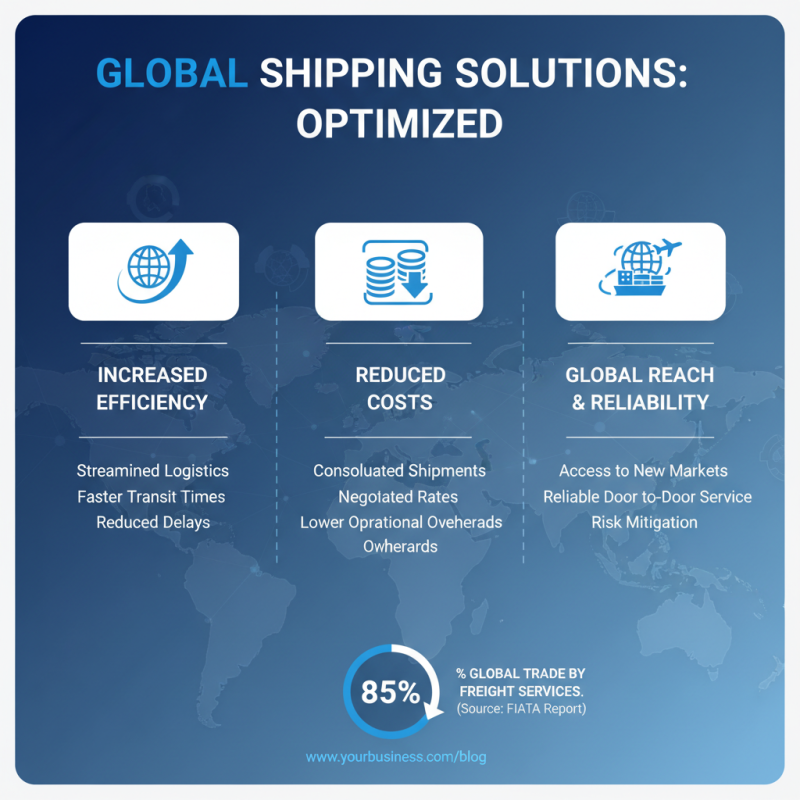
In today's interconnected world, businesses are increasingly looking to optimize their global shipping solutions. Choosing international transport services brings numerous advantages that can significantly enhance shipping efficiency and reduce costs. According to a report by the International Federation of Freight Forwarders Associations (FIATA), approximately 85% of global trade is facilitated by freight transport services, underscoring the critical role such services play in the flow of goods across borders.
One of the primary benefits of utilizing international transport services is their expertise in navigating complex regulations and customs procedures. A study from the World Bank indicates that improving customs procedures can reduce shipping times by up to 30%, allowing businesses to respond swiftly to market demands. Additionally, international transport services offer various shipping options tailored to specific needs, be it air freight for speed or sea freight for cost-effectiveness. This flexibility enables companies to optimize their supply chain strategies, maintaining a competitive edge in a fast-paced global marketplace.
Moreover, international transport services often leverage advanced technology to track shipments in real time, enhancing transparency and reliability. According to McKinsey & Company, the adoption of digital logistics solutions can improve overall supply chain efficiency by 20-25%. With such advancements, businesses can make informed decisions, reducing lead times and minimizing the risk of delays. By partnering with specialized transport services, companies not only ensure the safe and timely delivery of their products but also gain a strategic partner in global trade.
Key Factors to Consider When Choosing a Shipping Partner
When selecting a shipping partner for global logistics, several key factors deserve careful consideration. First and foremost, assess the shipping company's experience and reliability in international transport. A partner with a proven track record is often better equipped to handle complex regulations and unforeseen challenges that can arise during the shipping process. Look for testimonials or case studies that reflect their ability to manage shipments efficiently.
Another critical aspect is the range of services offered. A versatile shipping partner should provide various options, such as air freight, ocean freight, and customs brokerage. This flexibility allows businesses to select the most cost-effective and timely shipping solution based on their specific needs.
Tips: When evaluating potential shipping partners, consider requesting a trial shipment to gauge their service quality. Additionally, stay informed about their commitment to sustainability and environmental practices as these are increasingly important factors for modern businesses.
Pricing transparency is also essential. Ensure that you understand the pricing structure, including any additional fees that may apply during transit. Engaging a partner that clearly communicates costs will help you avoid unexpected expenses and maintain budgetary control.
Different Modes of International Transport and Their Benefits
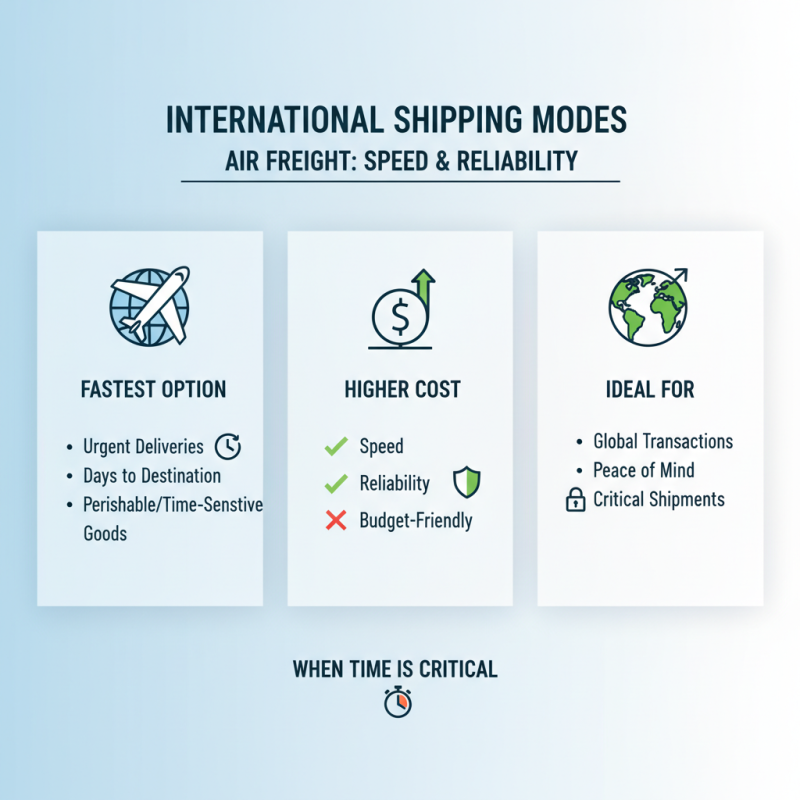
When it comes to international shipping, businesses have various modes of transport at their disposal, each offering unique benefits to meet diverse logistical needs. Air freight is often the fastest option, typically used for urgent deliveries. It ensures that goods can reach their destination in a matter of days, making it ideal for perishable items or time-sensitive shipments. While it may come at a higher cost compared to other methods, the speed and reliability of air transport are unmatched, providing peace of mind for urgent global transactions.
On the other hand, sea freight is a popular choice for bulk shipments, offering a more economical solution for transporting large quantities of goods over long distances. Although it takes longer than air freight, sea transport allows for massive cargo loads at a fraction of the price, making it suitable for non-perishable goods and larger items. Additionally, rail transport provides a cost-effective and environmentally friendly alternative for shipping goods across continents, particularly in regions like Europe and Asia, where rail networks are extensive. By understanding the strengths and applications of each transport mode, businesses can optimize their shipping strategies to align with their operational requirements and budget.
Understanding Customs Regulations and Documentation Requirements
When engaging in international shipping, understanding customs regulations and documentation requirements is critical for a smooth logistics process. According to the World Bank's "Doing Business 2021" report, countries with streamlined customs procedures see a significant reduction in shipping delays, suggesting that businesses which prioritize compliance can enhance their efficiency and save costs. This is especially relevant as the report indicates that import procedures take an average of 10.6 days to clear customs, causing potential disruption in delivery schedules for companies not well-versed in necessary documentation.
Proper documentation is paramount to ensure compliance with international trade laws. Standard customs documentation includes the bill of lading, commercial invoice, and packing list, among others. A study by the International Chamber of Commerce highlights that 43% of companies face challenges with customs due to insufficient paperwork. This emphasizes the importance of experienced transport services that can navigate complex regulations and assist in preparing the proper documentation to facilitate timely customs clearance. With the global trade landscape continuously evolving, understanding these requirements is not just beneficial, but essential for maintaining a competitive edge in the global market.
Cost-Effectiveness of International Shipping Solutions
Choosing international transport services for global shipping is often driven by the demand for cost-effective solutions. Shipping goods across borders inherently involves various expenses, from freight charges to customs fees. However, professional international shipping providers implement strategies that can significantly reduce these costs. By consolidating shipments, optimizing routes, and utilizing bulk shipping options, these services can lower the overall expenditure for businesses and individuals alike.
Furthermore, leveraging technology plays a crucial role in enhancing cost-effectiveness. Many international transport services utilize advanced tracking and logistics management systems that allow for greater transparency and efficiency. These platforms enable customers to monitor their shipments in real-time, providing insights that help in making informed decisions about shipping methods and schedules. This increased efficiency not only reduces delays and potential penalties but also minimizes additional costs associated with unforeseen issues during transport. As a result, choosing the right international shipping service can provide substantial savings, ensuring that businesses remain competitive in a global market.
Cost-Effectiveness of International Shipping Solutions
The above chart illustrates the shipping costs associated with various international transport modes. Sea freight is the most cost-effective option, while air freight incurs the highest costs. Understanding these differences can help businesses make informed decisions regarding their shipping strategies.