How to Choose the Best Foil Wrapping Sheets for Your Needs?
Choosing the right Foil Wrapping Sheets can significantly impact your cooking and food storage experience. These sheets offer versatility and convenience, but not all are created equal. Quality, thickness, and usability are crucial factors to consider.
When selecting Foil Wrapping Sheets, think about how you will use them. Do you need them for grilling, baking, or wrapping leftovers? A thicker sheet might be necessary for heavy-duty tasks, while a thinner one could suffice for lighter applications. Each type has its benefits, so understanding your needs is vital.
Many consumers struggle with decision fatigue when faced with endless options. It can be overwhelming, and mistakes can happen. Sometimes, individuals end up with sheets that tear easily or don’t retain heat well. Investing some time in research can lead to better choices and prevent future frustrations. Remember, the right fit can enhance your culinary adventures, making your cooking and storage more efficient.
Understanding Different Types of Foil Wrapping Sheets Available
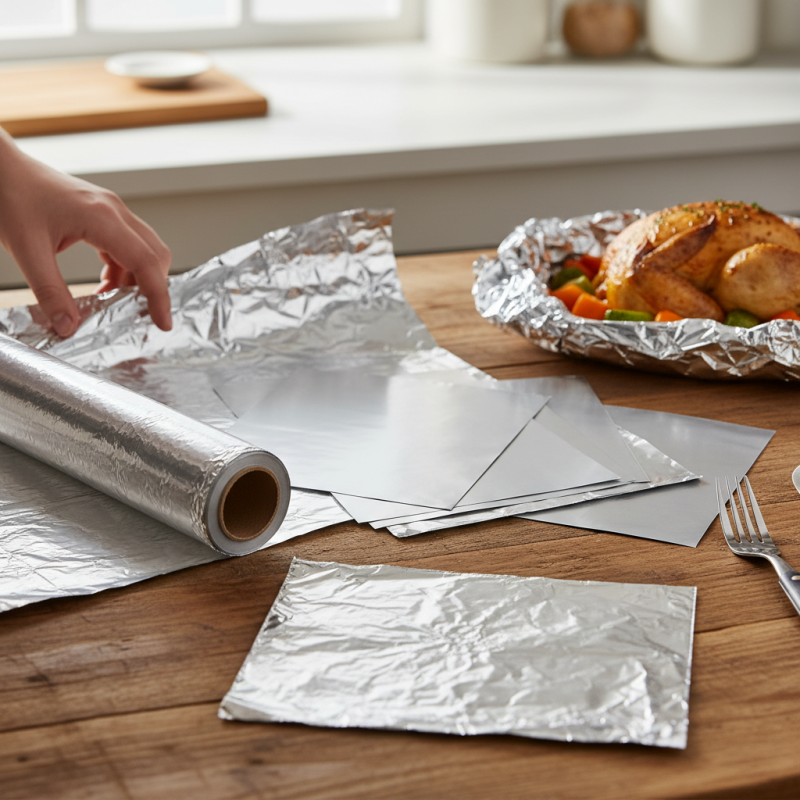
When it comes to choosing foil wrapping sheets, understanding the different types available is essential. Foil sheets often fall into two main categories: heavy duty and standard. Heavy-duty sheets provide better durability and heat resistance. They are perfect for grilling or baking. Standard sheets are more flexible and ideal for everyday tasks, like wrapping leftovers.
Aluminum foil is commonly used in kitchens. However, biodegradable options are gaining popularity among environmentally conscious consumers. These alternatives reduce waste while providing a similar experience. Additionally, non-stick foil offers convenience for those who want to prevent food from sticking while cooking.
It’s also crucial to consider the thickness of the sheets. Thicker sheets may provide better insulation. However, they can be less flexible. On the other hand, thinner sheets are easier to wrap but may not stand up to high temperatures. Balancing durability and flexibility is key. Users may find themselves reflecting on their cooking habits and identifying the most useful type for their needs. Ensuring the right choice can enhance cooking experiences in simple yet significant ways.
How to Choose the Best Foil Wrapping Sheets for Your Needs? - Understanding Different Types of Foil Wrapping Sheets Available
| Type of Foil | Thickness (microns) | Heat Resistance (°C) | Common Uses | Price per Sheet |
| Aluminum Foil | 18-20 | 600 | Baking, Grilling, Food Storage | $0.10 |
| Reynolds Wrap Foil | 20 | 650 | Wraps, Roasting, Freezing | $0.12 |
| Heavy Duty Foil | 25 | 700 | Cooking, Catering, Barbecuing | $0.15 |
| Non-Stick Foil | 18 | 400 | Baking, Roasting, Grilling | $0.14 |
| Colored Foil | 20 | 600 | Gift Wrapping, Crafting | $0.08 |
Evaluating the Material Quality and Thickness of Foil Sheets
When selecting foil wrapping sheets, material quality is crucial. High-quality foil usually consists of aluminum. This type is known for its excellent barrier properties. It prevents moisture, light, and oxygen from affecting the contents. According to industry reports, aluminum foil can reduce spoilage by up to 50% in food packaging.
Thickness also plays an essential role. Foil sheets come in various thicknesses, typically measured in mils. A thicker foil provides better durability and heat resistance. Many home cooks prefer 18 to 25 microns thick foil for general use. This range efficiently handles various cooking methods, from baking to grilling. Surprisingly, some budget options may be thin and prone to tearing. That can lead to frustration during meal prep.
Cost-saving choices sometimes compromise quality. In inexpensive models, the material may not be pure aluminum, affecting performance. For example, food stuck to thinner sheets can lead to waste and dissatisfaction. Therefore, investing in quality foil is often a smart choice for serious cooks who value efficiency and outcomes.
Considering Application Types: Cooking, Baking, and Food Storage
When it comes to foil wrapping sheets, understanding their application can significantly impact your cooking, baking, and food storage experiences. According to a report by the USDA, proper food storage can help reduce waste by up to 30%. Foil sheets help create airtight seals, preserving the freshness of leftovers for longer periods.
When cooking or baking, foil is an excellent tool. For hot dishes, aluminum foil withstands high temperatures well. A study showed that proper use of foil can enhance flavor infusion in roasted meats. However, remember that it's essential to avoid direct contact with acidic foods; this can sometimes lead to a reaction that alters taste and quality.
Tip: Always ensure the shiny side of the foil faces inward when wrapping food. This helps retain heat and moisture efficiently during cooking.
For food storage, foil sheets provide flexibility. They are lightweight and easy to manipulate, which is a significant advantage. The National Institute of Health points out that wrapping food correctly can minimize freezer burn. Be cautious; not all metallic foils are the same. Some may not be suitable for every type of food.
Tip: Double-check your foil's thickness. Heavy-duty options are better for freezing, while standard thickness is adequate for lighter storage needs.
Assessing Price and Quantity Options for Budget-Friendly Choices
When selecting foil wrapping sheets, price and quantity are vital aspects. A higher price doesn’t always guarantee better quality, so it’s essential to analyze the options. Bulk purchases can seem appealing. However, consider your actual usage to avoid waste. You might buy too many rolls, leading to spoilage or unnecessary clutter.
Evaluate various suppliers for comparable pricing. Look for discounts on larger quantities, but ensure the sheets meet your requirements. Some sheets may be thinner and less durable, impacting their effectiveness. Testing a few brands before committing to a bulk purchase can save money and frustration later.
Keep an eye out for deals that offer a good balance between cost and quality. Ensure the perforation and size fit your needs. These small details can alter your experience significantly. A too-thin sheet could lead to tearing, while an excessively thick one may not conform well to food items. Reflection on these factors can lead to better purchasing decisions.
Reading Reviews and Recommendations for Trusted Brands and Products
When it comes to foil wrapping sheets, finding reliable reviews is essential. Not all products are made equal. Some sheets tear easily, while others resist sticking. Reading user feedback can reveal these nuances. Customers often share their experiences with different types of foil, detailing what worked and what didn’t. This is invaluable.
Look for reviews that highlight specific uses. Do you need sheets for cooking or crafting? Reviews should mention the foil's thickness and reflective quality. Users might emphasize how the foil holds up under high temperatures. Some may point out whether it wrinkles easily. This kind of detail can guide you toward a trustworthy product.
Trusted brands often emerge through consistent positive feedback. However, be cautious. Not every highly rated product will meet your needs. Investigate whether the reviews are genuine. Check for repeated mentions of specific qualities. A product getting mixed reviews may require deeper analysis. Use all available information to make an informed choice.
Foil Wrapping Sheets Comparison
