Top 10 Tips for Choosing the Best Freight Solutions for Your Business
In today’s fast-paced business environment, selecting the right freight solutions can significantly impact a company's operational efficiency and cost-effectiveness. As logistics expert John Smith, a seasoned professional in the i freight solutions industry, aptly puts it, “The right freight solution is not just a cost factor, but a strategic decision that can enhance your entire supply chain.” With numerous options available, businesses often face challenges in identifying the most suitable freight solutions tailored to their specific needs.
Understanding the complexities of freight logistics is essential. From evaluating carrier options to assessing delivery timelines and costs, businesses must navigate a wide spectrum of factors that influence their decision-making process. Whether you're a startup or an established enterprise, these considerations are crucial to maintaining competitiveness in your market.
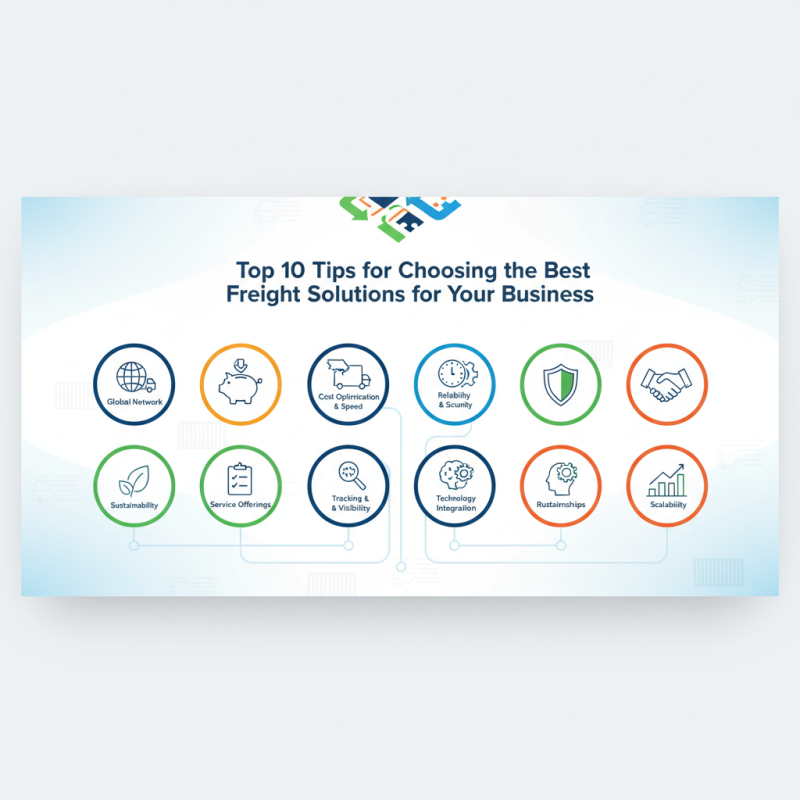
This guide aims to provide a comprehensive overview of the top 10 tips for choosing the best freight solutions for your business. By focusing on the key elements that define a robust freight strategy, you can ensure that your logistics operations remain efficient and responsive to customer demands, while also optimizing your overall costs in the realm of i freight solutions.
Understanding Your Business Needs for Freight Solutions
When selecting freight solutions for your business, it's essential to start by thoroughly understanding your unique logistics needs. Consider the nature of your products, the volume of shipments, and the geographical areas you operate within. This insight will guide you in choosing the right freight method and provider that can accommodate your specific requirements effectively.
One critical tip is to assess how quickly you need your goods delivered. If your business operates within tight schedules, look for freight solutions that offer expedited shipping. Conversely, if your operations allow for flexibility, cost-effective options may be more suitable. Another important factor to consider is the reliability and reputation of your freight provider. Research their track record in meeting delivery deadlines and handling issues such as damaged goods.
Additionally, evaluate the offer of integrated technology solutions from freight providers. Efficient tracking and management systems can provide real-time updates and enhance visibility throughout the shipping process. By focusing on these key areas, you can ensure that you choose a freight solution that truly aligns with your business goals and enhances operational efficiency.
Top 10 Tips for Choosing the Best Freight Solutions for Your Business
Evaluating Different Types of Freight Services Available
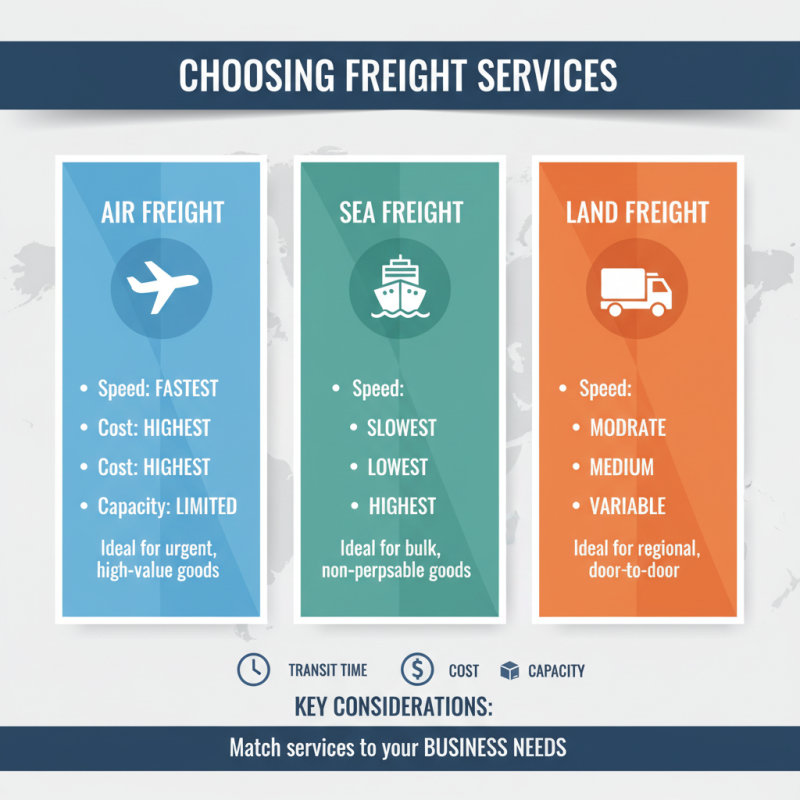
When evaluating different types of freight services available, it’s crucial to consider the specific needs of your business. The first step is to distinguish between various freight methods such as air, sea, and land transportation. Each mode offers different transit times, costs, and capacity levels, which can significantly impact your supply chain efficiency. For example, air freight is typically faster but also more expensive, making it ideal for time-sensitive shipments. Conversely, sea freight tends to be more economical for bulk goods, although longer shipping times can be a drawback.
Another important aspect to evaluate is the level of service provided by freight companies. Some offer a full suite of options, including logistics support, warehousing, and tracking capabilities, while others may only focus on transportation. Assessing the reliability and reputation of a freight provider is essential; you want a partner that can consistently meet delivery schedules and handle unexpected challenges. Additionally, consider the availability of specialized services, such as temperature-controlled shipping or hazardous material handling, depending on your industry needs. Choosing the right freight service involves a thorough analysis of these factors to ensure that you pick the best solution tailored to your business objectives.
Assessing Costs and Budget for Freight Solutions
When assessing costs and budgeting for freight solutions, understanding the total landed cost is essential. This encompasses not just the shipping fees but also customs duties, insurance, and any additional charges that may arise during transit. According to a report by the Council of Supply Chain Management Professionals (CSCMP), transportation costs can account for more than 50% of the total logistics expenses for many businesses. Therefore, it's crucial to conduct a thorough analysis of these costs when selecting a freight provider.
Moreover, businesses should consider the scalability of freight solutions in relation to their financial forecasts. A study conducted by Deloitte highlights that companies that strategically invest in freight solutions are better positioned to manage fluctuations in demand. By establishing a clear budget and evaluating various freight options against this financial framework, businesses can ensure they are not only saving money but also optimizing their supply chain efficiency. It's important to compile historical data on shipping costs and performance metrics of potential providers, which can provide insight into future expenditures and help in negotiating better rates.
Top 10 Tips for Choosing the Best Freight Solutions for Your Business
| Tip Number |
Tip Description |
Estimated Cost Impact (%) |
Considerations |
| 1 |
Evaluate Your Shipping Volume |
5-10% |
Higher volumes may lead to better rates. |
| 2 |
Compare Multiple Quotes |
2-7% |
Different carriers may offer different rates. |
| 3 |
Consider Transit Times |
Variable |
Faster shipping may incur higher costs. |
| 4 |
Understand Additional Fees |
3-15% |
Look out for surcharges and handling fees. |
| 5 |
Check Carrier Reliability |
Variable |
Reliability can impact overall shipping costs. |
| 6 |
Negotiate Contracts |
5-15% |
Long-term relationships can lower costs. |
| 7 |
Assess Technology Solutions |
Variable |
Automation can reduce costs over time. |
| 8 |
Choose the Right Mode of Transport |
10-20% |
Different modes have varying costs and speeds. |
| 9 |
Focus on Packaging |
2-5% |
Proper packaging can reduce dimensional weight charges. |
| 10 |
Plan for Seasonal Changes |
Variable |
Costs can rise significantly during peak seasons. |
Researching and Comparing Freight Providers and Their Reputation
When selecting the best freight solutions for your business, researching and comparing freight providers is essential to ensure you choose a reliable partner. Start by examining the reputation of potential providers through online reviews, industry ratings, and third-party evaluations. This information can give you insight into the experiences of other businesses, highlighting strengths and weaknesses within their service offerings. Engaging with fellow industry professionals and seeking referrals can also provide a clearer picture of a provider's reliability and customer service track record.
In addition to gathering reputation data, it's crucial to analyze the range of services each provider offers. This includes understanding their shipping capabilities, transit times, and specialization in specific freight types. Pay attention to how each provider handles issues such as claims and delivery delays, as this can indicate their level of professionalism and commitment to customer satisfaction. By meticulously comparing these factors, you can make an informed decision that aligns with your business needs and logistics goals, ultimately fostering a productive and efficient supply chain.
Analyzing the Importance of Technology in Freight Management
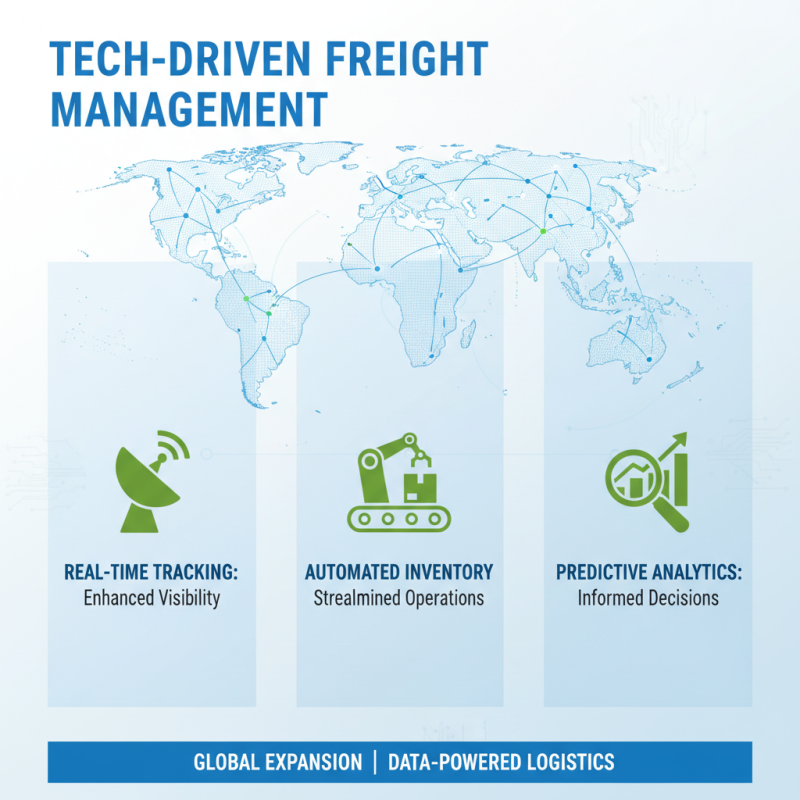
In today’s fast-paced business environment, the role of technology in freight management cannot be overstated. As companies expand globally, the complexity of their logistics increases, making it essential to leverage advanced technological solutions to streamline operations. Technologies such as real-time tracking systems, automated inventory management, and predictive analytics not only enhance visibility throughout the supply chain but also enable businesses to make informed decisions based on accurate data.
Moreover, the integration of artificial intelligence and machine learning into freight management offers significant advantages. These technologies can optimize route planning and load distribution, resulting in reduced transportation costs and improved delivery times. Additionally, digital platforms facilitate seamless communication and collaboration among shippers, carriers, and customers, ensuring that all stakeholders have access to relevant information at all times. By embracing these technological innovations, businesses can significantly improve their freight operations and gain a competitive edge in the market.