How to Choose the Best Transport Broker in 2026?

Choosing the best transport broker in 2026 is not simply a search for the lowest quote. A delayed pickup can leave a loading bay idle, while an unclear accessorial charge can change the final invoice. The 2024 CSCMP State of Logistics Report estimated U.S. business logistics costs at $2.3 trillion, or 8.7% of GDP, in 2023. That scale makes dependable transport decisions a business priority.

Trucking carries much of the freight moving across the United States. The American Trucking Associations’ American Trucking Trends 2024 report says trucks moved 72.7% of domestic freight by weight in 2022. For shippers, a broker’s value therefore depends on more than access to capacity. Look for clear carrier-vetting practices, appropriate insurance verification, shipment visibility, and a responsive contact when plans change. Ask how the broker handles missed appointments, revised delivery windows, and disputed charges. Small details matter.

A polished presentation is not proof of strong execution. A neat scorecard can also miss the difference between a promised update and a useful one. I would compare service records and references, not just rate sheets, while recognizing that even careful checks cannot prevent every disruption. This guide explains how to assess a transport broker’s experience, communication, technology, and pricing before trusting it with a shipment.

How to Choose the Best Transport Broker in 2026?

Define Shipment Needs by Mode, Lane, Volume, and Service Requirements

A transport broker can only match a shipment well when your requirements are specific. Define the mode, origin, destination, shipment size, frequency, and delivery window. A pallet of temperature-sensitive goods needs different equipment and handling from a full dry-van load. Include loading hours, appointment rules, liftgate needs, and any limits on pickup or delivery. Small details matter.

Then describe the lane and volume pattern, not just an average monthly total. Note seasonal peaks, weekly swings, and whether freight is ready at predictable times. The American Trucking Associations’ 2024 American Trucking Trends report says trucks carried 72.7% of U.S. domestic freight tonnage in 2022. That scale makes truck capacity widely relevant, but it does not guarantee a truck will be available on your lane or date. For urgent, high-value freight, compare transit time and cost with air options. IATA reported global air-cargo demand rose 11.3% in 2023, measured in cargo tonne-kilometers.

Set service requirements you can actually measure: on-time pickup, delivery window, shipment visibility, claims handling, and response time when plans change. Ask brokers to explain how they assess capacity for your specific lane and volume. Share realistic forecasts, including the awkward weeks when volume spikes. I’d still revisit the brief after a few shipments; initial estimates are often a little too neat. A short trial can reveal missed details, such as recurring dock delays or inaccurate transit assumptions.

Compare Broker Expertise in Capacity, Cargo Type, and Route Coverage

A transport broker’s capacity is more than a list of available trucks. Ask how the team handles a sudden surge, a delayed pickup, or a carrier cancellation. Request a recent, anonymized example and ask what changed after the disruption. Specific answers are more useful than broad promises. Ask directly.

Cargo expertise should match the shipment’s real needs. A broker moving palletized goods may not have the same processes for fragile equipment, temperature-sensitive freight, or oversized loads. Describe the packaging, handling points, and delivery constraints, then listen for practical questions. Do they confirm loading access, equipment requirements, and who will share status updates? Small details matter. One detail I have sometimes overlooked is whether the proposed plan accounts for unloading time, not just arrival time.

Route coverage deserves the same scrutiny. Ask whether the broker regularly serves both ends of your lane, including rural pickup points or destinations with narrow delivery windows. A familiar route can mean better knowledge of seasonal delays and local handoffs, but familiarity is not a guarantee. Compare transit estimates with recent performance data, and clarify how exceptions are reported. If the broker cannot explain where visibility may weaken, that is worth reflecting on before you commit. A short trial shipment can reveal gaps that a polished presentation may miss.

How to Choose the Best Transport Broker in 2026? — Compare Broker Expertise in Capacity, Cargo Type, and Route Coverage

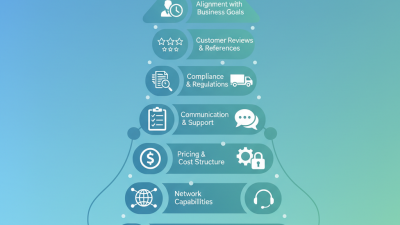
Use these criteria to compare brokers. Evaluate claims against your own shipment history, service requirements, and documented performance; capabilities vary by lane, season, and equipment availability.

Evaluation dimension What to compare Evidence to request Useful questions Potential warning sign
Capacity and equipment Ability to source the equipment your freight requires, such as dry van, refrigerated, flatbed, or less-than-truckload service; capacity on your specific lanes and during peak periods. Recent lane-level tender acceptance, on-time pickup, coverage, and fall-off data; documented backup plans for tight-capacity periods. How do you cover this lane in peak season? What happens if the initially assigned carrier cancels? Broad capacity claims with no lane-specific records or contingency process.
Cargo-type expertise Experience with the freight’s handling, security, temperature, loading, and regulatory requirements. Examples include temperature-controlled goods, oversized loads, hazardous materials, and high-value cargo. Relevant operating procedures, carrier qualification checks, insurance documentation, and examples of comparable shipments handled. Which requirements are checked before dispatch? How are exceptions, temperature excursions, or damage claims managed? Treating specialized freight as standard freight or being unable to explain its handling requirements.
Route and geographic coverage Regular service on origin-destination pairs, cross-border capability where needed, local pickup and delivery knowledge, and access to appropriate mode connections. A lane matrix showing service history, transit-time performance, available modes, and any border or regional handoffs. Which lanes do you cover consistently, and where do you rely on partner networks or intermodal transfers? Claiming nationwide or international coverage without clarifying actual lane experience and handoffs.
Service reliability Performance measured consistently across on-time pickup, on-time delivery, tracking updates, and shipment exceptions. Recent, clearly defined KPI reports with the measurement period, shipment count, and explanation of how each metric is calculated. How frequently are status updates provided, and who contacts us when a shipment is at risk? Performance percentages presented without definitions, dates, or shipment volumes.
Carrier qualification and safety Processes for verifying operating authority, insurance, safety records, equipment suitability, and any shipment-specific qualifications. Written carrier onboarding and monitoring procedures, plus confirmation of how required documents are checked and kept current. What checks are completed before a carrier is assigned, and how are expired documents or safety concerns handled? Unclear responsibility for carrier vetting or inability to describe ongoing monitoring.
Pricing and accessorials Rate transparency, quote validity, fuel treatment, and the handling of detention, layover, re-delivery, and other accessorial charges. A written rate breakdown, applicable terms, approval process for additional charges, and sample invoice reconciliation. Which charges are included, and how are unexpected costs documented and approved? A low headline quote with unclear exclusions or undocumented extra charges.
Technology and visibility Shipment tracking, milestone alerts, document access, reporting, and compatibility with your existing transportation systems. A live system demonstration, sample reports, alert settings, and details of available integration methods. Can our team view shipment status and proof of delivery without requesting manual updates? Technology promises without a working demonstration or a clear process for missing tracking data.
Claims and problem resolution Responsiveness and clarity when freight is delayed, damaged, lost, or billed incorrectly; defined escalation contacts and timelines. Written escalation steps, claims-submission requirements, points of contact, and examples of issue-resolution reporting. Who owns an exception from first notice through resolution, and what documents are needed for a claim? No named escalation path or unclear division of responsibility between broker and carrier.

Verify FMCSA Authority and the $75,000 Broker Financial-Security Requirement

Before choosing a transport broker, verify its authority in the FMCSA Licensing and Insurance system. Search using the company’s exact legal name or USDOT number. Confirm that its broker authority is active, not merely that a website or document displays a number. Check that the listed business details match your agreement. Small differences in names or addresses deserve a closer look.

Tips: Confirm the $75,000 financial-security filing, usually a surety bond or trust fund. Check its current status directly in FMCSA records. A certificate sent by the broker is useful, but it is not enough on its own.

The $75,000 requirement is a regulatory safeguard, not a promise that every shipment will arrive safely or every dispute will be resolved quickly. Ask how the broker handles missed pickups, carrier changes, and claims. Keep written answers with your rate confirmation and shipment records. Recheck authority and financial-security status before a new relationship, and periodically during ongoing work. It takes only a few minutes. Reviews can miss details, though, so verify the records yourself rather than relying on a single screenshot.

Assess Rate Transparency, Carrier Screening, Cargo Protection, and Contract Terms

When choosing a transport broker in 2026, look beyond the headline price. Ask for an itemized quote showing the broker’s fee, fuel adjustments, accessorial charges, and payment schedule. A quote should explain what could change the final cost, such as a missed pickup window or an unusual delivery requirement. Get it in writing. If a figure is described as “all-inclusive,” ask what that actually covers. Cheap can become costly.

Carrier screening deserves specific questions. Request details about how carriers are selected, how insurance documents are checked, and how often those checks are repeated. Ask who will contact you if a truck is delayed or a carrier assignment changes. Confirm the cargo protection limits, exclusions, deductible, and claims process before booking. A large coverage number alone tells you little. No checklist is perfect. Still, clear answers make weak oversight easier to spot.

Read the contract at a practical level, not just for the rate. Check cancellation fees, liability limits, delivery estimates, dispute procedures, and any clauses allowing terms to change after booking. Confirm which party handles claims and what records you must keep, such as photos, delivery receipts, and damage notes. If a clause feels vague, ask for a plain-language explanation in writing. I would not assume a verbal promise overrides signed terms; that assumption can be expensive.

Measure Performance with On-Time Delivery, Tender Acceptance, and Claims KPIs

How to Choose the Best Transport Broker in 2026?
Measure Performance with On-Time Delivery, Tender Acceptance, and Claims KPIs

A broker’s scorecard should show what happens on each lane, not just a polished network average. Track on-time delivery against the agreed appointment window, and define whether “on time” means arrival or completed unloading. Measure tender acceptance by lane and lead time; a strong overall rate can hide weak coverage on Friday afternoons. The 2024 Third-Party Logistics Study reports that 89% of shippers see 3PLs as a source of new ways to improve logistics effectiveness. Treat that as context, not proof that any one provider performs well. Ask for recent, lane-level results and the reporting period behind them.

Claims need equally clear rules. Compare claims per 100 shipments, average resolution time, and paid claim value, while separating preventable damage from other causes. Check whether the broker reports denied and open claims, too. Definitions matter. A low claims rate based on incomplete reporting is not reassuring. Review several months of records, shipment counts, and exceptions; small samples can distort results. That caveat is easy to miss.

Tips: Request a sample dashboard. Verify the data against shipment records. Set targets by lane, review misses monthly, and document agreed corrective actions. Don’t reward a high acceptance rate if service failures keep rising.

Go to Top