Why You Need a Customs Broker for Global Sourcing?
In today's global marketplace, sourcing products internationally can be both exciting and complex. As companies venture into global sourcing, understanding customs regulations becomes critical. According to a report by the International Trade Centre, 80% of businesses face delays due to customs issues. This statistic highlights the importance of partnering with a customs broker.
Experts like John Smith, a renowned customs broker with over 15 years of experience, emphasize, "Navigating customs without expert help can lead to significant financial losses." A skilled customs broker can facilitate smoother transactions, minimizing risks for businesses. They understand the nuances of international trade laws and can help avoid costly mistakes.
However, the reliance on a customs broker does not eliminate all challenges. Businesses must remain vigilant and informed about compliance and best practices. While customs brokers are invaluable allies, firms should continuously evaluate their sourcing strategies. This dual approach ensures that companies are well-prepared for the complexities of global trade.
Understanding the Role of a Customs Broker in Global Sourcing
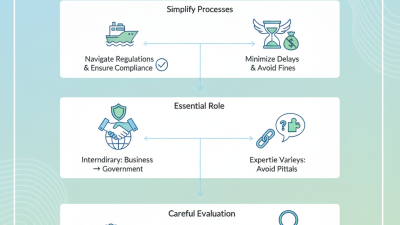
In global sourcing, understanding the role of a customs broker is crucial. These professionals navigate complex regulations. According to the World Trade Organization, 74% of businesses face delays due to customs issues. A skilled customs broker ensures compliance with import and export laws, minimizing the risk of costly penalties. Missteps in documentation can lead to shipment delays that postpone production schedules.
Customs brokers also offer valuable insights into tariffs and trade agreements. Understanding the intricacies of these elements can save companies significant amounts. The International Trade Centre reports that improper tariff classification can increase costs by up to 15%. This highlights the broker's expertise in optimizing supply chains. However, not all brokers provide the same level of service. Some may lack the necessary knowledge or resources, which could lead to poor outcomes.
The role of a customs broker extends beyond just paperwork. They serve as advisors, helping businesses develop effective sourcing strategies. Sometimes, companies over-rely on technology and overlook vital personal interactions. In this global landscape, fostering relationships remains key to successful sourcing. Drawing on accurate data and professional experience is critical. Each decision taken matters, and companies must be prepared to reflect on their strategies to strengthen future operations.
Why You Need a Customs Broker for Global Sourcing? - Understanding the Role of a Customs Broker in Global Sourcing
| Aspect |
Importance |
Benefits |
| Regulatory Compliance |
Essential for avoiding penalties and delays. |
Ensures adherence to local laws and regulations. |
| Documentation Handling |
Critical for smooth customs clearance. |
Reduces the risk of errors in paperwork. |
| Tariff Classification |
Important for determining duty rates. |
Optimizes cost management for imports. |
| Risk Management |
Vital for assessing and mitigating risks. |
Helps to avoid costly disruptions. |
| Network and Relationships |
Key for navigating complex logistics. |
Facilitates quicker resolution of issues. |
The Importance of Compliance with International Trade Regulations
Navigating the complex landscape of international trade can be challenging. Compliance with global regulations is crucial for successful sourcing. A customs broker serves as a vital link between businesses and regulatory bodies. Their expertise helps ensure that all necessary documentation meets the standards set by customs authorities.
Without proper compliance, businesses face delays and financial penalties. A minor mistake in paperwork can lead to significant setbacks. Customs brokers understand the nuances of trade regulations, including tariffs, duties, and import/export laws. They stay updated on changing regulations, which may differ by country. This knowledge can be invaluable in avoiding costly mistakes.
Importing goods involves various risks, and overlooking compliance can harm a business's reputation. Companies may struggle to handle product recalls or legal issues if they fail to follow rules. A proactive approach, facilitated by a customs broker, can minimize such risks. Their role not only streamlines the procurement process but also builds trust with suppliers and customers alike. Integrating their expertise into your supply chain strategy is a wise investment for long-term success.
How a Customs Broker Simplifies the Import Process for Businesses
Navigating global sourcing can be daunting for businesses. One key aspect is customs clearance. A customs broker plays an essential role in simplifying this process. Their knowledge of regulations helps avoid costly delays. They ensure all documentation is accurate and compliant. This alleviates stress for businesses importing goods from abroad.
Customs brokers also assist in duty and tax calculations. This ensures that businesses don't overpay or face unexpected expenses. Importing companies often struggle to keep up with changing laws. Brokers stay updated on these shifts, providing vital information. Their expertise can save time and resources, allowing businesses to focus on growth.
Even with a broker's help, challenges can arise. Miscommunication about documents can lead to issues. Businesses may still face inspections or additional fees. It’s important to maintain open communication with brokers. This fosters a clearer understanding of requirements. While customs brokers cannot eliminate all obstacles, they are valuable allies in the import process.
Cost Benefits of Using a Customs Broker in Global Sourcing
When sourcing globally, managing customs can be daunting. This is where a customs broker becomes vital. They specialize in navigating the complex regulations that vary from country to country. This expertise can lead to significant cost savings.
Delays in shipping can increase expenses. A customs broker helps prevent these delays by ensuring all documentation is accurate. This reduces the risk of fines and holds at customs. Missteps in paperwork can lead to costly fines and lost shipments. Their knowledge allows businesses to avoid these pitfalls and keep their supply chains running smoothly.
Moreover, customs brokers can help you optimize import duties. They understand which tariffs apply and how to classify goods correctly. With their guidance, businesses can save money through effective duty management. Each dollar saved adds up, especially in large-scale operations. The investment in a customs broker often pays for itself in the long run.
Factors to Consider When Choosing a Customs Broker for Your Needs
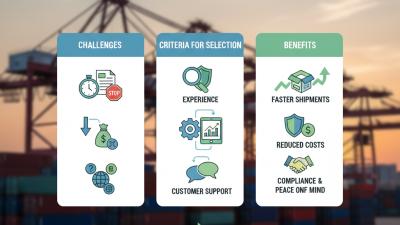
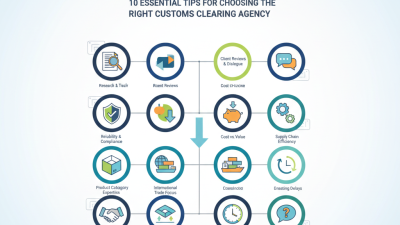
When sourcing globally, choosing the right customs broker is crucial. Look for experience in your specific industry. A broker familiar with your product type can navigate complex regulations more effectively. They should understand tariffs and trade agreements that impact your imports and exports. Confirm their knowledge through credentials and past client success stories.
Communication skills are another key factor. A customs broker must explain procedures clearly and respond to inquiries promptly. This ensures you remain informed throughout the shipping process. Additionally, consider their network of contacts within customs and government agencies. Strong relationships can expedite clearance and resolve issues quickly.
Lastly, assess transparency in their pricing structure. Some brokers may have hidden fees that can inflate your costs unexpectedly. Ask for a detailed breakdown of their services. Choose a broker who is open about their charges and willing to share their working procedures. This builds trust and can lead to a better partnership in the long run.
Importance of Customs Brokers in Global Sourcing