Digital Best Practices for International Transportation Solutions?
In an increasingly globalized world, transportation international plays a crucial role in connecting businesses and consumers. Efficient international transportation solutions are essential for seamless supply chain operations. Companies must adapt to changing market demands and embrace digital best practices to stay competitive.
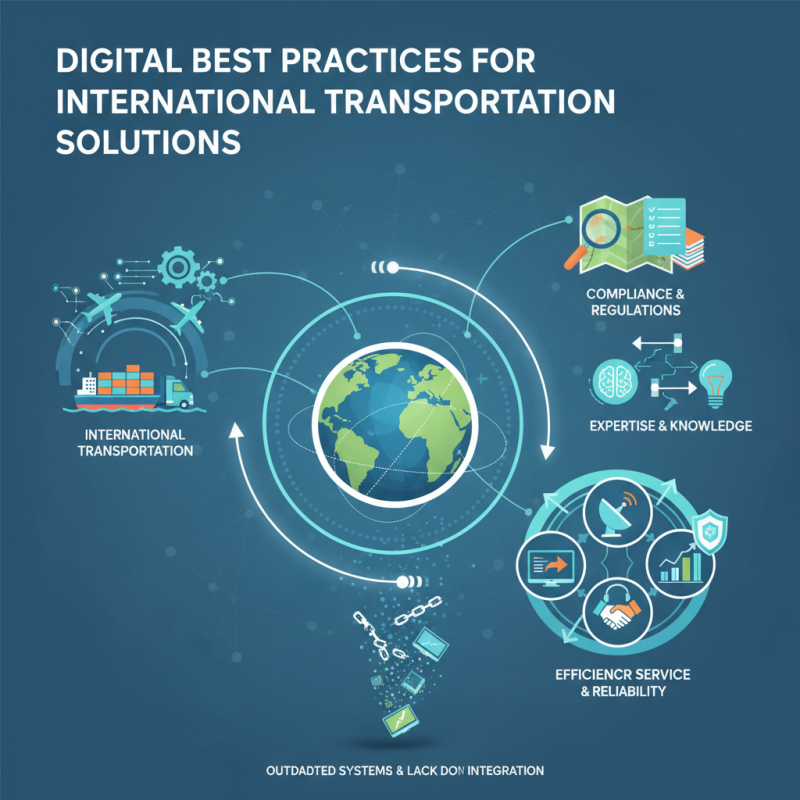
Effective transportation international requires expertise in logistics, technology, and compliance. Organizations must understand the complexities of their routes and the regulations involved. This knowledge allows for better planning and execution of transportation strategies. However, many companies struggle with outdated systems or lack of integration.
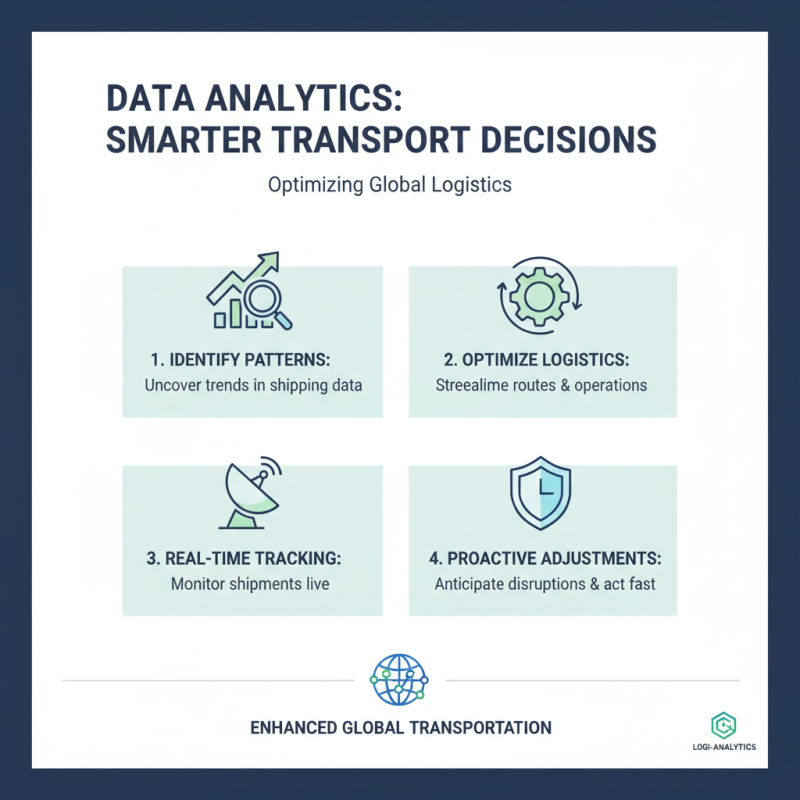
Companies should focus on areas like real-time tracking, data analytics, and customer service. Implementing these digital practices can enhance visibility and accountability. Yet, organizations often face challenges in adapting to new technologies. Reflecting on their processes can reveal gaps that need addressing to improve overall efficiency and reliability.
Overview of International Transportation Solutions
International transportation solutions encompass various methods for moving goods across borders. The landscape is complex, influenced by regulations, weather, and logistics. Each method, whether it’s air, sea, or land, has its own advantages and challenges. Understanding these nuances is crucial for businesses aiming to optimize their supply chains.
Effective communication is vital. It’s important to maintain transparency with all parties involved. Share updates on shipment status. This builds trust and ensures everyone is aligned. Timely communication can reduce delays and misunderstandings.
Tips: Invest in tracking technology to monitor shipments in real-time. This adds a layer of accountability. Additionally, consider cultural differences when dealing with international partners. Cultural awareness can prevent potential miscommunications and enhance relationships.
Flexibility is also essential in international transportation. Unexpected delays occur frequently. Adjust plans promptly to minimize disruptions. Being adaptable not only saves time but also reduces costs. Focus on developing a responsive strategy and encourage your team to think creatively.
Digital Best Practices for International Transportation Solutions
| Dimension |
Best Practices |
Impact |
| Technology Adoption |
Utilize advanced tracking systems, adopt IoT enablement |
Increases shipment visibility and reduces delays |
| Customs Compliance |
Implement automated customs clearance processes |
Minimizes customs-related delays and penalties |
| Risk Management |
Conduct thorough risk assessments for routes |
Enhances safety and reduces loss during transportation |
| Sustainability Practices |
Opt for eco-friendly shipping options and packaging |
Improves brand image and reduces carbon footprint |
| Data Analytics |
Leverage analytics for demand forecasting and route optimization |
Enhances efficiency and reduces operational costs |
| Collaboration |
Foster partnerships with logistics providers |
Creates synergy and improves service delivery |
Key Digital Technologies in Transportation Management
In today's fast-paced world, digital technologies are transforming transportation management. Visibility and efficiency are now paramount for logistics providers. Real-time tracking systems offer updates on shipment statuses, reducing uncertainty for both shippers and customers. However, integrating these systems can be complex. Many companies struggle with unifying data across various platforms.
Automation plays a crucial role in streamlining operations. Automated workflows reduce manual errors and accelerate processes. Yet, not all businesses adopt automation effectively. There is often a gap in training staff to utilize these digital tools. Employees may feel overwhelmed by new systems. This challenge highlights the need for ongoing education in digital technologies.
Data analytics is another key area in transportation management. By analyzing patterns, companies can forecast demand and optimize routes. However, the reliance on data also raises concerns. Some companies may overlook the human element in decision-making. Striking a balance between data-driven insights and human intuition is essential for success.
Best Practices for Streamlining Global Logistics Operations
In the realm of global logistics, streamlining operations is paramount. Industry reports, such as those from the Council of Supply Chain Management Professionals, note that inefficiencies cost businesses substantial amounts annually. For instance, inefficient logistics contribute to $200 billion in losses in the United States alone. Organizations must embrace digital strategies and tools to navigate these turbulent waters successfully.
Implementing real-time tracking systems is essential. These systems enhance visibility across the supply chain. A 2021 report highlighted that 86% of businesses that utilized such tools saw a marked improvement in operational efficiency. Despite this, many companies still lag behind, relying on outdated methods that hinder agility. Additionally, investing in automation can drastically reduce manual errors, yet many hesitate to adopt such technologies due to upfront costs.
Data analytics offers transformative insights but requires a cultural shift within organizations. Companies need to foster a data-driven mindset. A survey revealed that only 36% of logistics firms use data analytics effectively. This reflects a broader challenge in embracing technological advancements. By focusing on these practices, companies can not only reduce costs but also enhance customer satisfaction, making a significant impact on their overall logistics performance.
Case Studies of Successful Digital Implementations in Transport
Digital transformation is reshaping international transportation. Companies are adopting new technologies to improve efficiency and transparency. One notable case study involved the implementation of a cloud-based tracking system. This system allowed users to monitor shipments in real time. It reduced delays significantly, proving crucial for time-sensitive deliveries. However, during implementation, employee training challenges emerged. Some staff struggled to adapt, highlighting the need for comprehensive training programs.
Another successful example comes from the use of automated booking systems. By automating the booking process, a logistics firm streamlined operations. Clients experienced faster response times and reduced paperwork. This not only enhanced client satisfaction but also decreased operational costs. Despite these successes, integration issues arose with legacy systems. Companies must carefully manage this aspect to avoid disruptions.
These cases demonstrate the potential of digital solutions in transportation. Yet, the journey is not without its hurdles. Companies need to reflect on their strategies continually. Emphasizing continuous improvement and staff involvement can lead to more successful outcomes. As digital best practices evolve, ongoing adaptation will remain essential.
Digital Best Practices in International Transportation Solutions
This chart illustrates the implementation success rates of various digital best practices in international transportation solutions, highlighting areas such as real-time tracking and automated documentation.