10 Essential Tips for Choosing the Right Transport Broker for Your Needs
Choosing the right transport broker is a crucial decision for businesses seeking to streamline their logistics and improve overall efficiency. With the plethora of options available in the market, navigating through different brokers can be a daunting task. To ensure your needs are met effectively, it's essential to understand the key factors that differentiate transport brokers and how these factors can impact your shipping processes.
In this guide, we will outline ten essential tips that will help you identify the right transport broker for your specific requirements. Whether you are a small business looking to expand your reach or a large enterprise aiming to optimize your supply chain, these insights will provide you with the necessary tools to make an informed choice. From evaluating the broker's experience and expertise to assessing their network capabilities, each tip is designed to highlight the importance of selecting a transport broker that aligns with your business goals and logistical needs. By following these guidelines, you will be well-equipped to enhance your transportation strategy and achieve greater operational success.

Understanding the Role of a Transport Broker in the Supply Chain
A transport broker plays a crucial role in the supply chain by acting as a bridge between shippers and carriers. Their primary function is to facilitate the transportation of goods by matching shippers who require freight services with carriers that have the capacity to transport those goods. This intermediary role not only streamlines the logistics process but also helps businesses save time and resources in their search for efficient transportation solutions. By leveraging their extensive networks and industry knowledge, transport brokers can provide access to a variety of carriers, ensuring that shippers receive competitive rates and reliable service.
Moreover, transport brokers are instrumental in handling the complexities involved in freight logistics. They possess a deep understanding of regulations, compliance requirements, and market trends, which allows them to navigate challenges that may arise during shipment. By taking on administrative tasks such as negotiating contracts, overseeing cargo pick-up and delivery, and managing paperwork, brokers help businesses focus on their core activities while reducing the risk of shipping disruptions.
Ultimately, the expertise and support offered by a transport broker can lead to improved supply chain efficiency and enhanced overall operational performance for companies across various industries.
Identifying Your Specific Transport Needs and Requirements
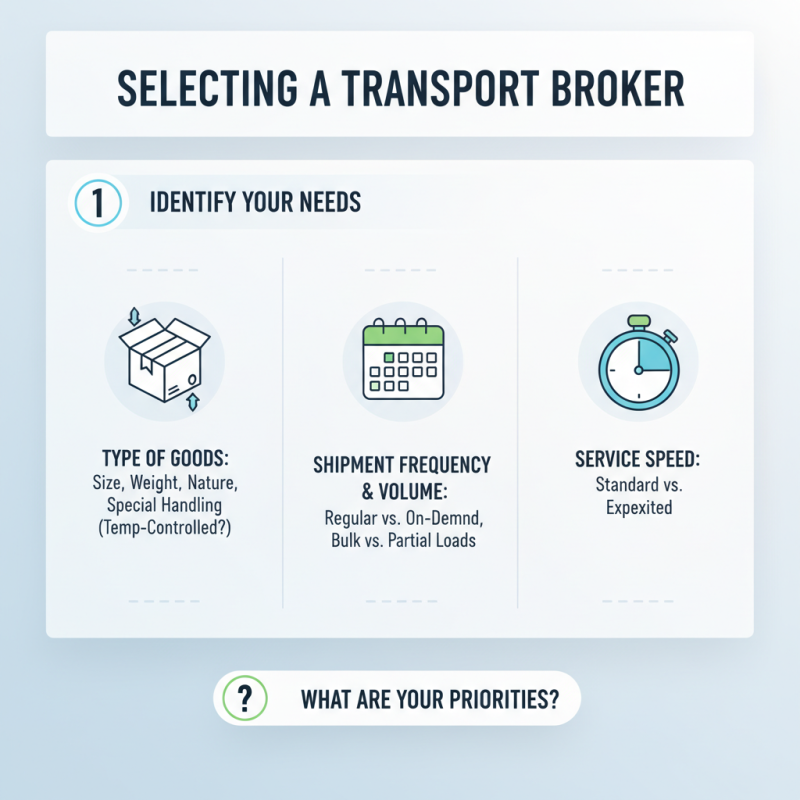
When selecting a transport broker, the first step is to clearly identify your specific transport needs and requirements. Begin by evaluating the type of goods you need to transport. Consider factors such as the dimensions, weight, and nature of the items, as these will significantly influence the mode of transport and the services required. Furthermore, assess the frequency and volume of shipments; regular shipments may require a broker with capabilities for efficient scheduling and route planning. Understanding whether you need temperature-controlled transport, specialized handling, or expedited services is crucial in narrowing down potential brokers.
In addition to the type of goods, it's important to consider your geographical requirements. Determine if your logistics will be local, regional, national, or international. Each of these parameters affects the choice of a broker, as certain brokers specialize in specific areas of transport. Additionally, clarify your budget and timelines for transportation; this information will help to find a broker who can meet your financial constraints while providing timely deliveries. By outlining these specific needs and requirements, you create a roadmap that enables you to choose a transport broker who is best equipped to fulfill your transport challenges efficiently and effectively.
Evaluating the Qualifications and Experience of Transport Brokers
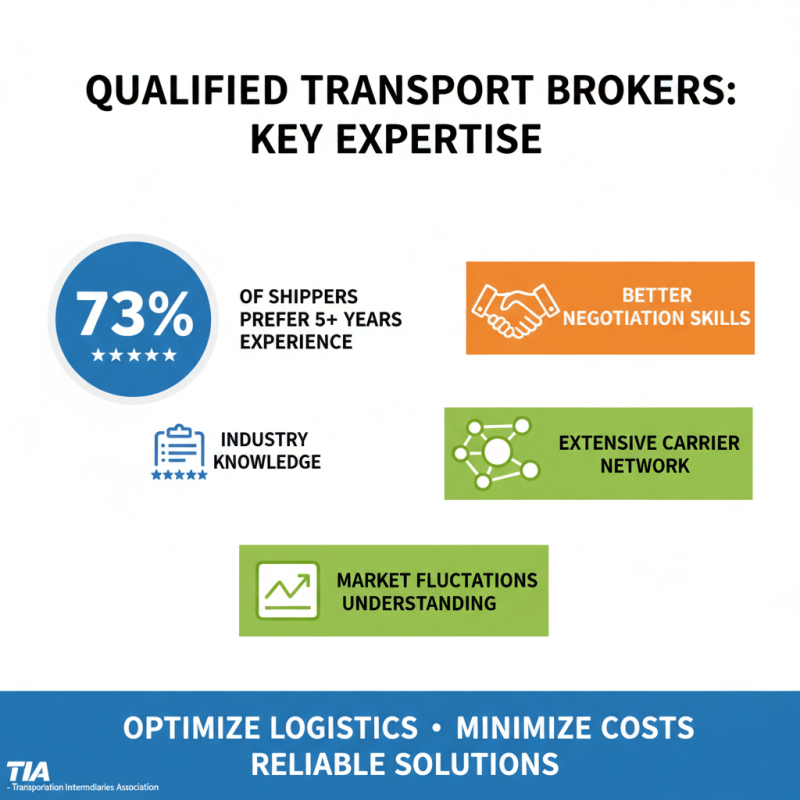
When evaluating the qualifications and experience of transport brokers, it's crucial to consider their industry knowledge and specific expertise. According to a recent report by the Transportation Intermediaries Association, nearly 73% of shippers express a preference for brokers with at least five years of experience in the industry. This experience often translates into better negotiation skills, an extensive network of carriers, and a deeper understanding of market fluctuations. A broker with a solid background can provide valuable insights on the best practices for optimizing logistics and minimizing costs, ensuring that you find the most reliable solutions for your transport needs.
Further, certification and training also play a pivotal role in selecting the right transport broker. The Council of Supply Chain Management Professionals suggests that brokers who hold certifications from recognized industry organizations demonstrate a commitment to maintaining high professional standards. Additionally, brokers with experience across diverse sectors often possess the versatility necessary to navigate unique challenges, making them invaluable partners in transportation logistics. With over 80% of successful shippers reported to have worked with certified transport brokers, it is clear that qualifications should not be overlooked when making your decision.
Comparing Fees and Services Offered by Different Brokers
When choosing a transport broker, comparing the fees and services offered by different brokers is crucial to identify the best fit for your logistics needs. A recent report from the Transportation Industry Association highlights that transportation costs can account for as much as 10% of a company's revenue. This staggering figure necessitates a careful examination of broker fees to ensure that you are not overpaying while still receiving the quality of service necessary for efficient supply chain operations.
One essential tip is to request detailed breakdowns of fees from multiple brokers. Understanding whether fees are charged per shipment, on a flat rate, or based on weight and distance can significantly impact your overall cost. According to industry data, brokers who offer transparent pricing structures often result in customer savings of 5-15%. Additionally, evaluating included services, such as tracking capabilities, capacity assurance, and claims support can provide extra value that should be factored into your decision-making process.
Another critical aspect to consider is the range of services offered. Some brokers specialize in specific niches, while others provide a wider scope of options. A study by the Freight Brokers Association indicates that 68% of shippers benefit from using brokers that offer additional logistics services like warehousing and freight insurance. Make sure to weigh these value-added services against the costs, ensuring that you choose a broker who meets your specific needs and provides a robust solution for your transportation challenges.
Transport Broker Comparison: Fees and Services
Checking Reviews and References for Reliable Transport Broker Selection
When choosing the right transport broker, one of the most crucial steps is checking reviews and references. A reputable transport broker will have an established track record, and feedback from previous clients can provide valuable insights into their reliability and service quality. Start by searching for online reviews on platforms relevant to the logistics industry. Look for brokers with consistently high ratings and positive testimonials that speak to their punctuality, communication, and overall professionalism.
Another effective method is to seek references directly from the broker. A trustworthy broker should be willing and able to provide you with contact information for past clients who can vouch for their services. Use these references to ask specific questions about their experiences, such as how issues were handled and whether the broker delivered on their promises. This firsthand feedback can help you gauge not only the broker’s competencies but also their commitment to customer satisfaction.
In addition to reviews and references, consider reaching out to industry peers for recommendations. Personal connections can offer insights that are not always available in public forums, and these referrals can lead you to brokers who have established relationships in the industry. Remember, a well-informed choice will save you time, money, and potential headaches in the long run, ensuring that your transport needs are met effectively.