10 Essential Tips for Choosing the Right Trucks Trailers for Your Needs?
Choosing the right trucks trailers can be challenging. Every detail matters. John Davis, a seasoned industry expert, once said, "Selecting trucks trailers is about understanding your specific needs." His wisdom resonates deeply in a market filled with options.
The vast array of trucks trailers can overwhelm potential buyers. Features vary widely. Different jobs require different specifications. Knowing your needs is essential. Many overlook this step. A rushed choice can lead to inefficiency and unexpected costs.
Consider your payload requirements, terrain, and usage frequency. Each component impacts your decision. Evaluate the durability of materials used and the trailer's design. Does it match your operational demands? Reflecting on these factors is crucial for making a wise investment. A thoughtful approach ensures that your trucks trailers will serve you well for years to come.
Understanding Your Hauling Requirements: Weight and Size Considerations
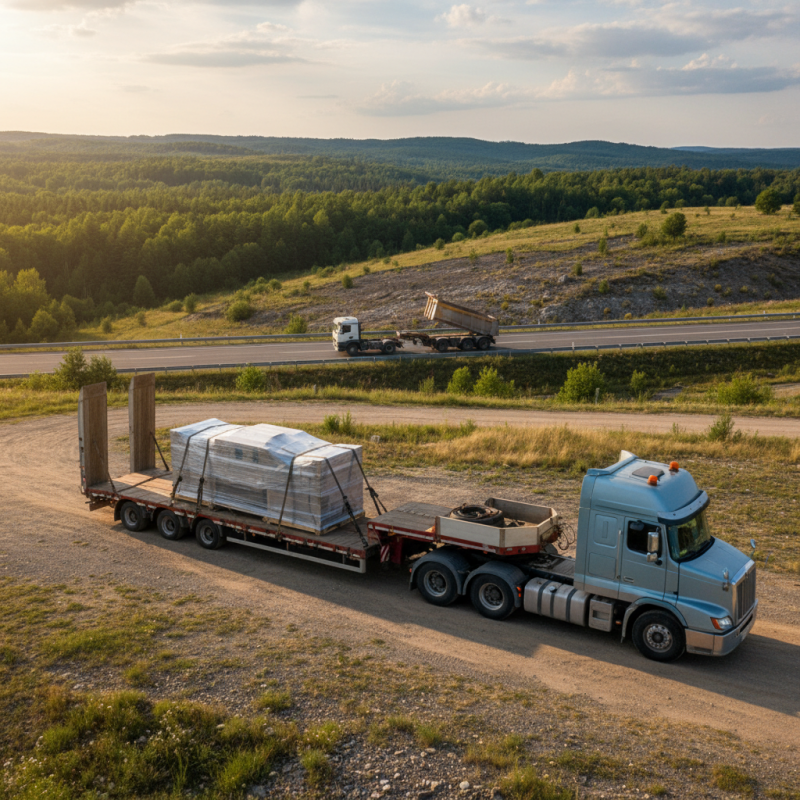
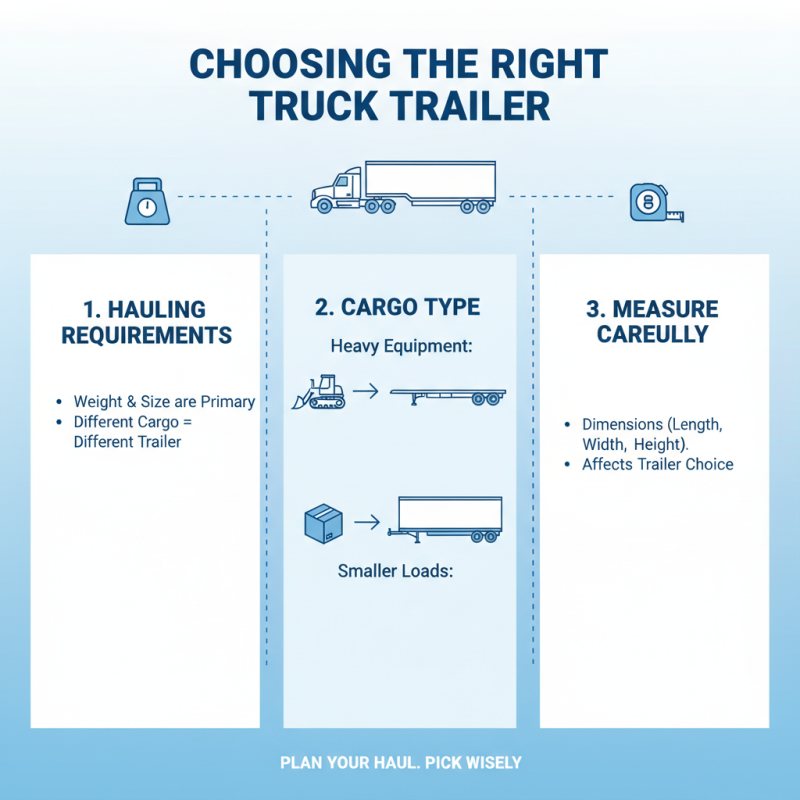
When choosing the right truck trailer, understanding your hauling requirements is crucial. Weight and size are the primary factors to consider. Different cargo requires different trailers. For instance, heavy equipment might need a flatbed, while smaller loads could fit in an enclosed trailer. Measure your cargo dimensions carefully. Don’t forget about the width and height; they can affect your choice significantly.
Next, pay attention to the weight limits. Exceeding the recommended weight can lead to serious issues. It’s important to know your truck’s towing capacity as well. Sometimes, we underestimate the actual weight of our loads. Always err on the side of caution. Many have regretted not doing so, facing fines or damage. Also, consider the terrain you’ll be navigating. Some trailers perform poorly on rough roads. Assessing your specific needs helps in making a more informed decision.
Assessing the Types of Trailers: Flatbeds, Enclosed, and More
When choosing a trailer, understanding the types available is crucial.
Flatbeds are versatile and commonly used in transportation.
They offer easy loading for oversized loads. According to industry reports, around
40% of fleets use flatbeds for their flexibility.
However, they lack protection from weather elements, which can be a drawback.
Enclosed trailers, on the other hand, provide better security
and protection. These trailers are ideal for sensitive cargo. Data shows that
35% of operators prefer enclosed models for this reason.
They can also add a layer of anonymity for valuable goods. However, enclosed trailers can be heavier
and may reduce fuel efficiency.
Other types, like refrigerated trailers, serve specific needs.
They maintain temperature control for perishables. This is important in supply chains, where
freshness is key. Yet, they come with higher operational costs.
Reflecting on these options offers insight into your needs. The best choice aligns with your unique
requirements and operational capabilities.
Evaluating Trailer Materials: Durability and Weight Factors
When choosing a trailer, material plays a vital role. The durability of various materials can significantly influence your decision. Steel trailers are renowned for their strength. However, they can be heavier, often surpassing 2,000 pounds. This added weight can strain towing vehicles and reduce fuel efficiency. On the other hand, aluminum trailers are lighter, weighing around 1,000 to 1,500 pounds. They resist rust, which can prolong their lifespan significantly.
Evaluating weight is essential too. A heavier trailer may handle road conditions better, but it can decrease payload capacity. According to industry reports, a lighter trailer typically allows for a higher payload capacity of up to 3,000 pounds more than its heavier counterparts. Additionally, consider how you will use the trailer. If regular long hauls are planned, weight should be a priority. Remember, using the wrong materials may lead to fatigue cracks or structural failures, which can be costly.
Comparative Durability and Weight of Truck Trailer Materials
Picking the Right Weight Ratings: Understanding GVWR and Payload
When choosing truck trailers, understanding weight ratings is crucial. The two main figures are GVWR and Payload. GVWR, or Gross Vehicle Weight Rating, defines the maximum weight a truck can safely carry. This includes the trailer, cargo, and passengers. It’s vital to ensure that you don’t exceed this limit. Exceeding GVWR can lead to accidents, vehicle damage, or violations.
Payload refers to the amount of weight a trailer can haul. This is the difference between the GVWR and the trailer's weight. Consider your needs carefully. If you regularly carry heavy loads, a higher payload capacity is essential. Yet, it’s equally important to avoid overloading. Too much weight can affect handling and braking.
Tip: Always check the specifications. Also, think about future needs. If you plan to transport heavier items later, consider trailers with a higher GVWR. Truck trailers should meet your current and future demands. However, don’t overlook the importance of weight distribution. Properly distributing the load can enhance stability and safety. Knowing your capacity can lead to informed choices, reducing potential risks.
10 Essential Tips for Choosing the Right Trucks Trailers for Your Needs
| Feature |
Description |
Importance Level |
| Gross Vehicle Weight Rating (GVWR) |
Maximum weight a truck can safely carry including its own weight. |
High |
| Payload Capacity |
Maximum amount of cargo a truck can carry in addition to its weight. |
High |
| Towing Capacity |
Maximum weight a truck can tow. |
Medium |
| Trailer Type |
Type of trailer that suits your hauling needs (e.g., flatbed, enclosed). |
High |
| Brake System |
Type of braking system for safety and performance (e.g., electric, hydraulic). |
Medium |
| Compatibility |
Ensuring the truck and trailer are compatible for safe operation. |
High |
| Load Distribution |
Proper weight distribution for stability and safety. |
High |
| Material and Build Quality |
Durability and strength of the trailer's materials. |
Medium |
| Maintenance Requirements |
Ease of upkeep and servicing the trailer and truck. |
Medium |
| Regulatory Compliance |
Meeting local and federal regulations for safe operation. |
High |
Budgeting for Truck Trailers: Cost, Maintenance, and Insurance Factors
Budgeting for truck trailers requires careful planning. Costs can vary significantly based on type, size, and features. For instance, a basic utility trailer may be less expensive upfront. However, it might lack durability and require frequent repairs. Mid-range models often offer better quality and more features. It's crucial to balance initial costs with long-term savings.
Maintenance is another key factor. Regular upkeep can prevent costly repairs down the line. A trailer that seems chic might get neglected without proper maintenance. Investing in quality parts and service is essential. Unexpected breakdowns can lead to missed deadlines and lost income. Insurance also plays a vital role in your budget. Protecting your assets is smart, but coverage options can be confusing.
Review your needs carefully. Are you hauling heavy loads? Will your trailer see frequent use? Answers to these questions can guide your decisions. Cutting corners can lead to regret. Some people rush the process and end up with trailers that don’t fit their needs. Take time to reflect on your options. A thoughtful approach can save money and frustration in the future.