In today's fast-paced supply chain landscape, understanding logistic transfer methods is crucial. According to a report by the Supply Chain Management Institute, over 75% of companies struggle with logistics efficiency. These challenges lead to increased costs and delays. Efficient logistic transfer is not merely about moving goods; it's about how they move.
Recent studies indicate that implementing advanced logistic transfer methods can cut delivery times by up to 30%. However, many organizations still rely on outdated practices. This reliance can result in poor visibility and high inventory costs. It is essential to reflect on what works and what doesn’t in your logistics strategy.
In an era where consumer expectations are rising, mastering logistic transfer is more vital than ever. Businesses must balance cost, speed, and reliability. Companies that adapt quickly will thrive, while others may falter. Understanding these methods is not just helpful; it's necessary for survival in a competitive market.
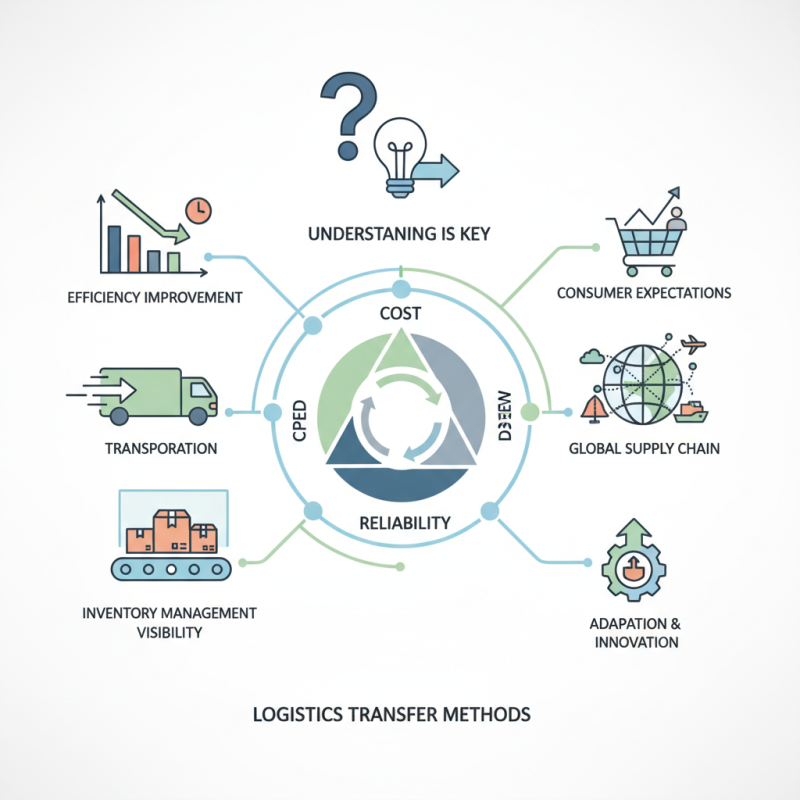
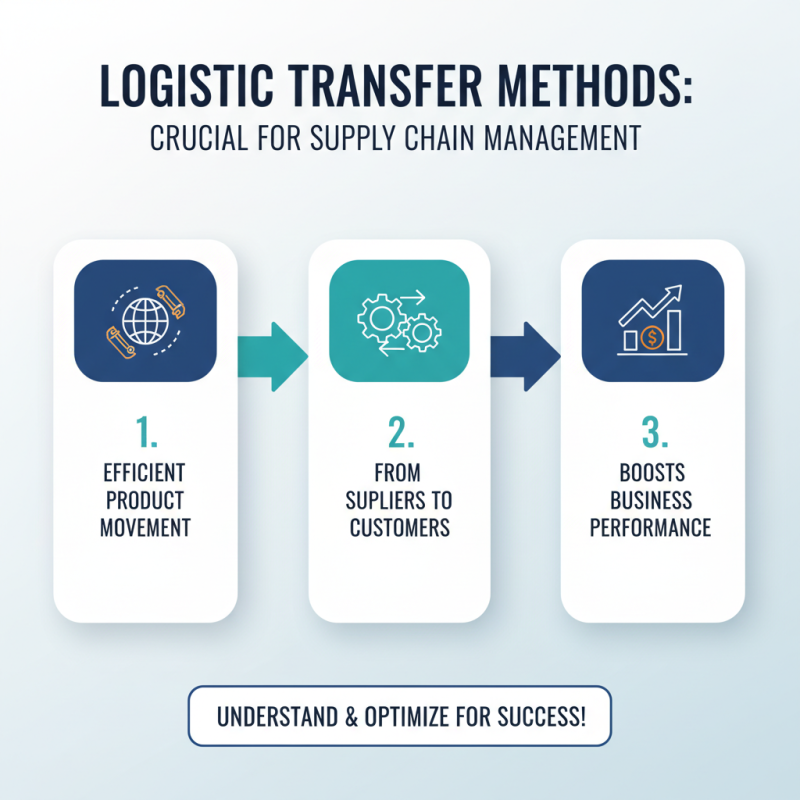
Logistic transfer methods are crucial in supply chain management. They ensure products move efficiently from suppliers to customers. Understanding these methods can greatly affect business performance.
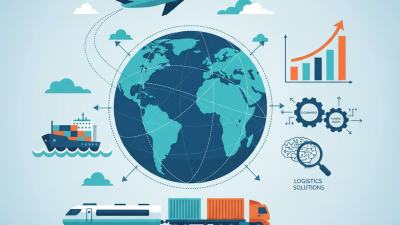
There are several key logistic methods. For example, road transport is common. It offers flexibility but can be unpredictable. Delays due to traffic or weather can disrupt schedules. Rail transport is another option. It’s cost-effective, especially for bulk goods. However, rail lacks the flexibility of road transport. Often, companies need to combine methods to optimize their logistics.
Air freight is fast but expensive. Businesses must weigh the urgency of delivery against costs. Water transport is cheaper for large shipments but slow. Every method has its trade-offs. Businesses might struggle with choosing the right balance. Reflecting on these choices is essential for improvement. The right logistic transfer method can enhance efficiency and customer satisfaction.

Understanding logistic transfer methods is crucial for efficient supply chain management. Various types are available, each with unique advantages. Air freight, for instance, is fast but often costly. Reports indicate that air cargo account for over 35% of global trade value despite representing only 1% by weight.
Ocean freight, in contrast, is more economical for bulk shipments. It is slower, taking weeks to reach destinations. However, it handles about 90% of the world's trade volume, according to industry statistics. This method often involves complex logistics and potential delays due to weather or port congestion.
Rail and road transport also play vital roles. Rail is favored for long-haul inland transport. It is efficient for large quantities but limited by track availability. Road transport, while flexible, faces challenges like traffic and fuel prices. Each method's effectiveness depends on specific needs, raising questions about balance and timing in logistics strategies. An intricate understanding of these options aids decision-making but may require continual adjustment and reflection on operational efficiency.
| Transfer Method | Description | Advantages | Disadvantages |
|---|---|---|---|
| Road Transport | Transport of goods by vehicles on roads. | Flexible routes, door-to-door service, lower cost for short distances. | Traffic conditions, weather impacts, limited capacity. |
| Air Transport | Movement of goods via aircraft. | Fast delivery, ideal for international shipping, reduced inventory costs. | High cost, limited cargo size, weather disruptions. |
| Rail Transport | Transport using trains along rail networks. | High capacity, energy-efficient, lower costs for bulk goods. | Fixed routes, scheduling limitations, less flexibility. |
| Sea Freight | Shipping goods via cargo ships. | Cost-effective for large volumes, suitable for international trade. | Slow shipping times, affected by weather, port congestion. |
| Pipeline Transport | Carriage of liquids and gases through pipelines. | Low operating costs, continuous transport, safe for hazardous materials. | High initial investment, limited to specific materials, risk of leaks. |
Effective logistic transfers rely on key components that ensure smooth operations. Data from industry reports show that over 30% of logistic delays stem from miscommunication. Accurate information sharing is crucial. This includes real-time tracking and updates. Transparency between suppliers and logistics firms enhances efficiency.
Another vital aspect is route optimization. Studies reveal that optimized routes can reduce fuel costs by up to 20%. Utilizing technology like GPS and advanced planning software plays a significant role. However, not all companies use these tools effectively. Many still rely on outdated methods, missing potential savings.
Training staff is often overlooked but essential. Skilled personnel can make informed decisions quickly. According to a survey, well-trained teams can increase delivery accuracy by 25%. However, continuous education is rare in many logistics firms. Many underestimate the value of investing in their workforce. Balancing these components is critical for successful logistics transfer.
Logistic transfer methods are critical for supply chain efficiency. Factors influencing logistic transfer efficiency include time, cost, and technology. According to a 2023 report by the Council of Supply Chain Management Professionals, 79% of firms cite speed as a primary driver for logistics efficiency. This statistic highlights the need for timely transfers to maintain competitiveness.
Cost is another significant factor. A recent industry analysis revealed that companies can save up to 15% on logistics by optimizing their transfer methods. Additionally, technology plays a crucial role. Companies that invest in tech-driven solutions often see a 30% increase in efficiency. However, not all organizations adopt new technologies quickly. This reluctance can hinder potential improvements and limit growth.
Understanding how these factors work together can help businesses refine their logistic strategies. For instance, aligning transfer methods with customer needs is essential. Yet, some companies still struggle to gather relevant data for decision-making. This oversight can lead to wasted resources and missed opportunities. A continuous review of processes is necessary for improvement.
When it comes to implementing logistic transfers, efficiency is key. Accurate planning is essential. Identify potential bottlenecks in your process. Understanding where delays can occur will help streamline operations.
Tips: Always keep an open line of communication with all teams involved. This prevents misunderstandings. Regular check-ins can reveal issues before they become problems.
Invest in technology that supports real-time tracking. This enhances transparency and trust among stakeholders. Using data analytics can help foresee challenges. Also, ensure that everyone is trained on the systems in place.
Remember that flexibility is vital. Sometimes, plans may need to change last minute. Being adaptable can lead to better outcomes. Don't overlook smaller details; they often have a big impact on logistic transfers.