10 Essential Transport Inter Tips for Efficient Travel Planning?
Planning travel effectively can be a daunting task. One key aspect often overlooked is transport inter. Understanding how to navigate transportation options is crucial for seamless travel experiences.
Transport inter involves connecting different modes of transport to create a cohesive journey. For example, simply finding a train station near your hotel can save you time. It’s important to research local transit schedules. Knowing the best transfer points can make a significant difference.
Many travelers forget to account for delays. Missed connections can lead to stress and wasted time. It's essential to allow for flexibility in your plans. While well-laid strategies are useful, unplanned situations often arise. Embracing adaptability can enhance your journey. Explore every transport inter option available and never rush your decisions.
Strategies for Integrating Public Transport into Travel Plans
Public transport plays a critical role in modern travel planning. According to a recent report from the International Transport Forum, cities with integrated public transport saw a
30% increase in visitor satisfaction. Efficient travel requires strategic planning to maximize the use of available transport.
One effective approach is incorporating public transit maps early in the travel process. Many travelers overlook local transit options. Ignoring these can lead to longer travel times and unnecessary expenses.
An effective travel plan should include key transit routes and schedules. This allows tourists to navigate cities more easily. In addition, local agencies often provide real-time updates, which can help avoid delays.
Another strategy is to assess the environmental impact. A study by the World Resources Institute shows that using public transport can reduce carbon emissions by up to
45%. This data highlights the importance of choosing public options over private vehicles. However, travelers should consider potential overcrowding during peak hours.
It’s important to weigh convenience against efficiency. In this way, integrating public transport into travel plans can enhance the overall experience while promoting sustainability.
Maximizing Cost Efficiency: Budgeting for Transportation Options
When planning travel, budgeting for transportation is crucial. Many overlook this aspect. It's easy to underestimate costs. Not factoring in hidden fees can lead to overspending. Let's explore practical tips to keep travel expenses manageable.
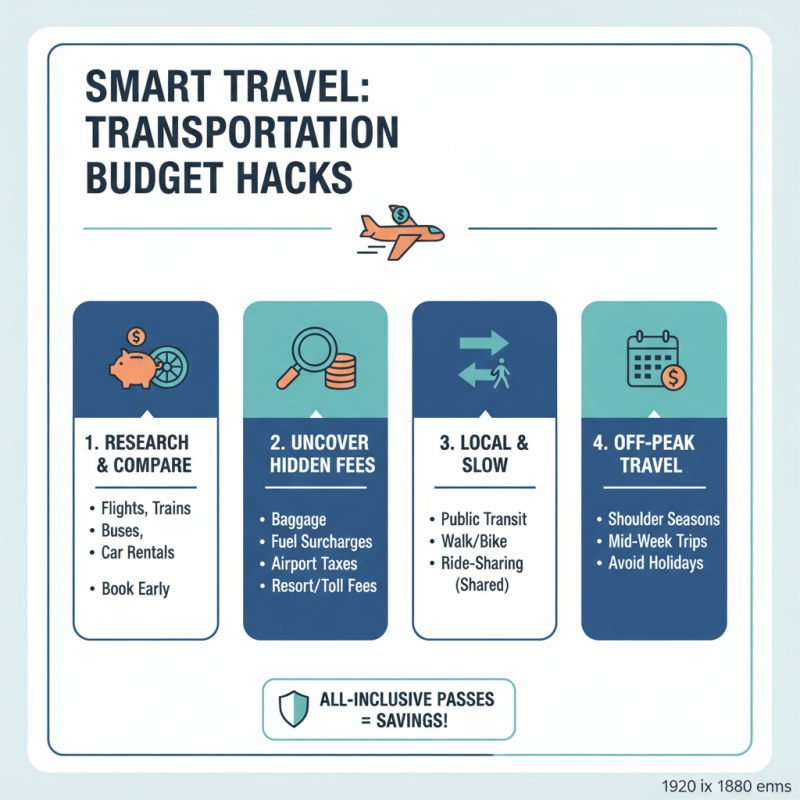
Start by researching transportation options. Look at public transport fares. Sometimes, buses or trains offer cheaper routes. Booking in advance can save money. Flexibility with travel dates can also help find better deals. Keep an eye on discounts, too. They pop up often but can vanish quickly.
Consider ride-sharing apps or local taxis for shorter trips. Compare prices before committing. Walking is a great option for nearby places. It's free and healthy. However, don't ignore safety. Always trust your instincts when choosing how to travel. Balancing cost and safety is tricky but essential. Assess your needs wisely, and plan accordingly.
Understanding Peak Travel Times to Avoid Congestion
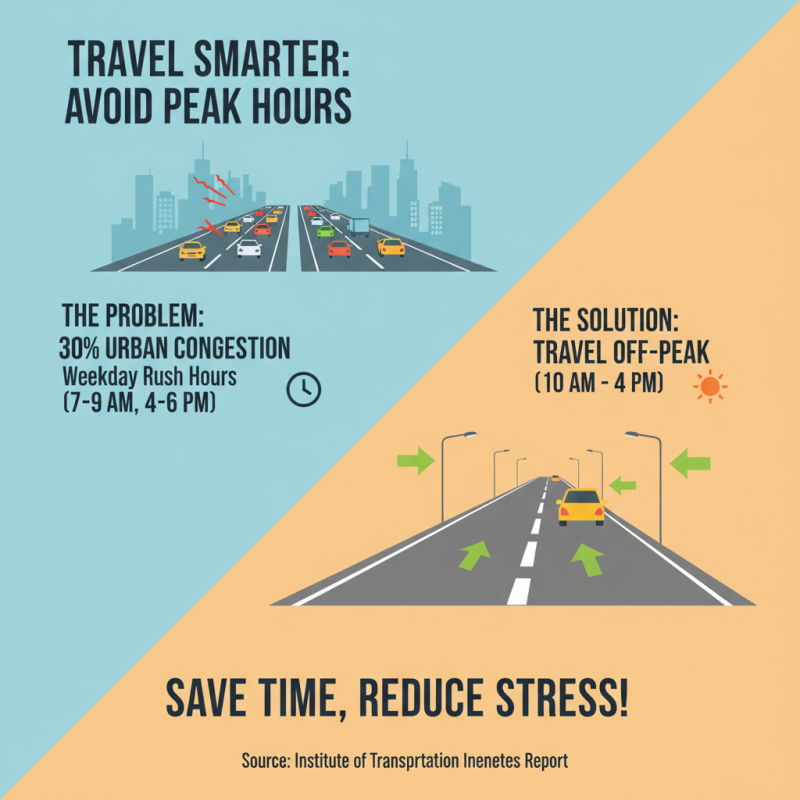
Understanding peak travel times is crucial for efficient travel planning. According to a recent report by the Institute of Transportation Engineers, nearly 30% of urban congestion occurs during rush hours on weekdays. This surge often results in longer travel times and increased frustration for commuters. Avoiding these peak hours can make a significant difference. For example, traveling between 10 AM and 4 PM typically allows for a smoother experience.
In addition to weekdays, weekends also see their share of congestion. The American Highway Users Alliance estimates that Sunday afternoons are particularly busy due to leisure travelers. This can lead to unanticipated delays. Many travelers overlook local events that can drastically affect traffic flow. City festivals or major sporting events can double the usual travel times, often without warning. Utilizing real-time traffic apps can help navigate these unpredictable moments, but travelers should anticipate potential slowdowns regardless.
Effectively planning travel around these peak times requires awareness and flexibility. Adjusting travel plans based on historical data can optimize travel experiences. Recognizing patterns in congestion will lead to fewer frustrations and a more enjoyable journey. Remember, the goal is to make your travels as efficient as possible.
Leveraging Technology: Apps for Real-Time Transport Updates
When traveling, real-time updates can transform your journey. Many apps provide live transport information. These tools can show delays or unexpected changes. The power of technology lies in its ability to keep you informed.
Imagine you are catching a bus. You check your app, and it alerts you that your bus is running late. You can adjust your plans accordingly. Sometimes, these updates can be inaccurate, leaving travelers frustrated. It’s wise to double-check information when possible.
Some apps even suggest alternative routes. This feature can be a lifesaver in case of sudden disruptions. However, not all cities have the same level of app support. Frustration from unreliable data is common. Relying too heavily on technology can backfire if your device fails. This serves as a reminder to stay adaptable while on the go. Embracing both tech and traditional methods helps ensure smooth travels.
Real-Time Transport App Usage Statistics
Sustainable Travel Practices: Reducing Your Carbon Footprint
Traveling sustainably is crucial in today's world. It helps reduce your carbon footprint while exploring new destinations. Here are some practical tips to incorporate sustainable practices into your travel planning.
Choose public transport whenever possible. Trains and buses can significantly lower emissions. They also allow a chance to mingle with locals. Join a bike tour in the city. It's a fun way to cover distances while being eco-friendly. Remember, each little effort counts.
Opt for accommodations that prioritize sustainability. Eco-friendly hotels often feature energy-saving systems. You could also consider staying with locals. This not only supports the community but also provides a more authentic experience. Avoid single-use plastics during your travels. Carry a reusable water bottle. Simple changes can make a significant impact.