2026 How to Choose the Best Transport and Services for Business?
In the ever-evolving landscape of transport and services, making informed decisions is crucial for business success. Renowned logistics expert Anna Reed emphasizes, “Choosing the right transport and services can make or break your operational efficiency.” Companies must navigate options carefully to meet their unique needs.
Selecting appropriate transport and services involves assessing reliability and cost-effectiveness. On one hand, a cheaper option might appear attractive. On the other hand, it could compromise service quality. Businesses face the constant challenge of balancing these factors. They must be vigilant in researching providers, as not all companies offer the same level of service.
Additionally, a strong focus on sustainability is emerging. Eco-friendly transport options are gaining popularity among consumers. Companies should not overlook this trend, as customer preferences shift toward greener choices. However, businesses must reflect on whether their sustainability efforts align with their operational goals. Thus, the decision-making process becomes intricate and profoundly impactful.

Understanding Different Transport Options for Businesses
Selecting the right transport options for businesses can significantly impact efficiency and cost-effectiveness. According to a report by the American Transportation Research Institute, logistics costs account for nearly 8% of the U.S. GDP. This highlights the importance of making informed decisions when it comes to transport choices.
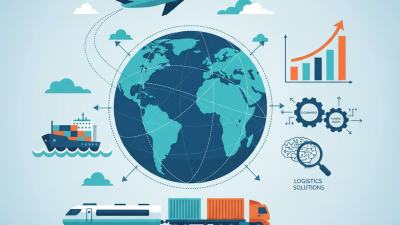
Businesses can choose from various transport modes, including road, rail, air, and sea. Each carries unique advantages and drawbacks. For instance, road transport is flexible and ideal for short distances. However, it faces issues like congestion and higher fuel costs. Rail transport, while cost-effective for bulk freight, may not provide the same level of accessibility to final destinations. Understanding these nuances can guide businesses toward sustainable transport solutions.
Recent studies reveal that 70% of companies prioritize shipping speed. Yet, many overlook reliability as a key factor. In some cases, prioritizing speed leads to unreliable services and increased stress on supply chains. A balanced approach is essential.
Choosing a transport mode should involve assessing specific business needs, cost implications, and environmental impacts. Transport decisions should align with overall business strategy to drive success.
Evaluating Cost-Effectiveness of Transport Services
When evaluating cost-effectiveness in transport services for businesses, various factors come into play. The choice of transport can significantly influence operational costs. According to recent industry reports, logistics expenses can account for up to 10% of total business costs. Thus, selecting the right mode of transport is essential.
In an ideal scenario, businesses must analyze the trade-offs between speed and cost. Data shows that air freight may deliver faster results but at double the cost of sea freight. However, sea transport often results in longer delivery times and potential delays. Businesses need to assess their priorities—speed or budget. Tools like Total Cost of Ownership (TCO) can shed light on long-term financial impacts.
Furthermore, it’s crucial to monitor hidden costs. Additional fees, such as fuel surcharges or handling charges, can inflate transport expenses quickly. Companies often overlook these factors, leading to unexpected budget strains. Regular audits and evaluations can help ensure that transport choices align with business goals. Engaging with third-party logistics (3PL) providers can also offer valuable insights, enhancing overall transport strategies. Adopting a tailored approach is vital, as each business faces unique challenges in its supply chain.
Assessing Reliability and Timeliness of Transport Providers
When selecting transport providers for your business, reliability and timeliness are crucial factors. Data from the Logistics Management Report shows that 78% of businesses prioritize timely deliveries. Delays can impact profits and customer satisfaction. Therefore, assessing a provider's track record is essential.
Consider checking online reviews and industry ratings. Consistent feedback about punctuality can indicate reliability. According to a study by the Council of Supply Chain Management Professionals, logistics disruptions cost companies an average of $1.7 trillion annually. This staggering figure highlights the importance of reliability in transport choices. Factors such as fleet maintenance and driver training often correlate with timely deliveries.
It's also important to monitor communication practices. Clear and timely updates keep all parties informed. However, not all providers excel in this area. Some may promise quick responses but fail to deliver. Business owners must evaluate both performance metrics and personal experiences when making decisions. Reflecting on past partnerships can help refine future choices, ensuring a more reliable transportation network.
Exploring Technology Integration in Transport Management
In the realm of transport management, technology integration is pivotal. It reshapes operations, enhances efficiency, and optimizes costs. Companies increasingly rely on software solutions to manage logistics. These tools streamline scheduling, track shipments, and improve communication. However, integrating new systems can be challenging. Many businesses struggle with resistance from employees. Making sure everyone is on board is essential.
Real-time tracking is another vital aspect. It offers transparency and accountability. Customers appreciate knowing the status of their shipments. Unfortunately, not all transport services provide this feature. Businesses must choose carefully. The wrong provider can lead to losses in trust and revenue.
Data analytics plays a significant role, too. By analyzing logistics data, businesses can identify inefficiencies. Yet, many companies overlook this opportunity. They stick to traditional methods and miss potential improvements. The evolving landscape of transport suggests that embracing technology is no longer optional. Companies must adapt or risk falling behind.
2026 Transport and Services Efficiency Analysis
Sustainability Considerations in Business Transport Choices
In the realm of business transport, sustainability is becoming a vital factor in decision-making. Companies are increasingly aware of their carbon footprints. The transportation sector is a significant contributor to greenhouse gas emissions. This awareness prompts businesses to rethink their logistics strategies. Considering electric vehicles or alternative fuels can make a big difference.
However, not all sustainable options come without challenges. For instance, electric vehicles may have high initial costs. Businesses must evaluate long-term savings versus upfront expenses. Public transportation can be an excellent option for employee commutes, but infrastructure may vary by region. Reliable services often take time to develop. It's essential to plan and anticipate potential bottlenecks in logistics.
Additionally, transparency is key in choosing transport services. Evaluate the sustainability practices of potential partners. Sometimes, companies claim to be eco-friendly, but the reality may differ. Engage in conversations about their methods and carbon offsets. A commitment to sustainability should be evident throughout their operations. Making informed choices leads to better outcomes for both business and the environment.