2026 How to Improve Transport Interconnectivity for Sustainable Travel?
Transport interconnectivity is a crucial component in promoting sustainable travel. In an increasingly urbanized world, the efficiency of transportation systems can have a significant impact on environmental outcomes. Improving these connections can reduce travel times and emissions.
AI technology plays a vital role in this transformation. For example, at the 2026 Canton Fair, advanced navigation features assist attendees in navigating expansive venues. This innovation can serve as a model for urban transport networks. Yet, while the benefits are clear, we must reflect on accessibility and inclusivity. Not every traveler has access to modern technology, and this gap needs addressing.
Additionally, the quality of public transportation remains a challenge. Cities must invest in safer, more reliable options. Enhancing transport interconnectivity will require a multi-faceted approach. Rethinking infrastructure and ensuring equitable access can support a progressive shift towards sustainable travel.
Current Challenges in Transport Interconnectivity for Sustainable Travel
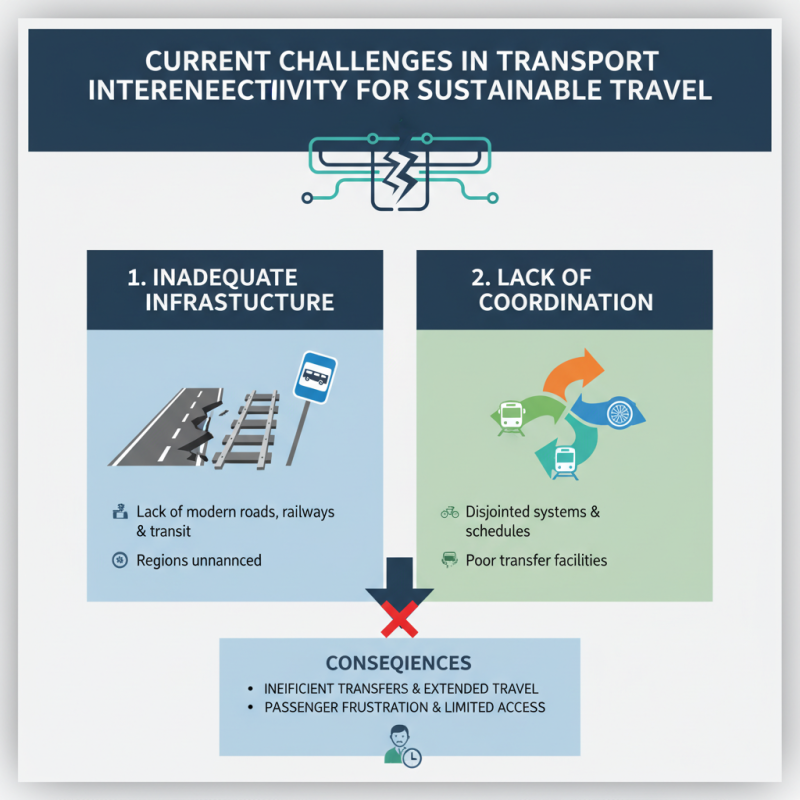
Transport interconnectivity faces numerous challenges today. One major issue is inadequate infrastructure in many regions. Roads, railways, and transit systems often lack coordination. This leads to inefficient transfers and extended travel times. Many passengers find themselves stranded or frustrated, unable to access essential services seamlessly.
Another challenge is the environmental impact of current transport modes. While there is a push for greener alternatives, many areas still rely heavily on fossil fuels. This contributes to pollution and climate change. In urban settings, congestion further exacerbates the situation. Public transport systems frequently struggle to accommodate rising demands, resulting in overcrowding and unreliable services.
Moreover, there is a lack of public awareness about sustainable travel options. Many individuals remain unaware of the benefits of using alternative modes of transport like cycling or walking. Improving interconnectivity will require a cultural shift. Education and awareness campaigns could motivate people to choose sustainable travel. This process, however, is slow and met with resistance. Transitioning to a more integrated system also demands significant investment and policy changes. However, many stakeholders hesitate. The path to effective and sustainable transport interconnectivity remains rocky and requires ongoing reflection and adaptation.
Innovative Solutions for Enhancing Transport Connectivity
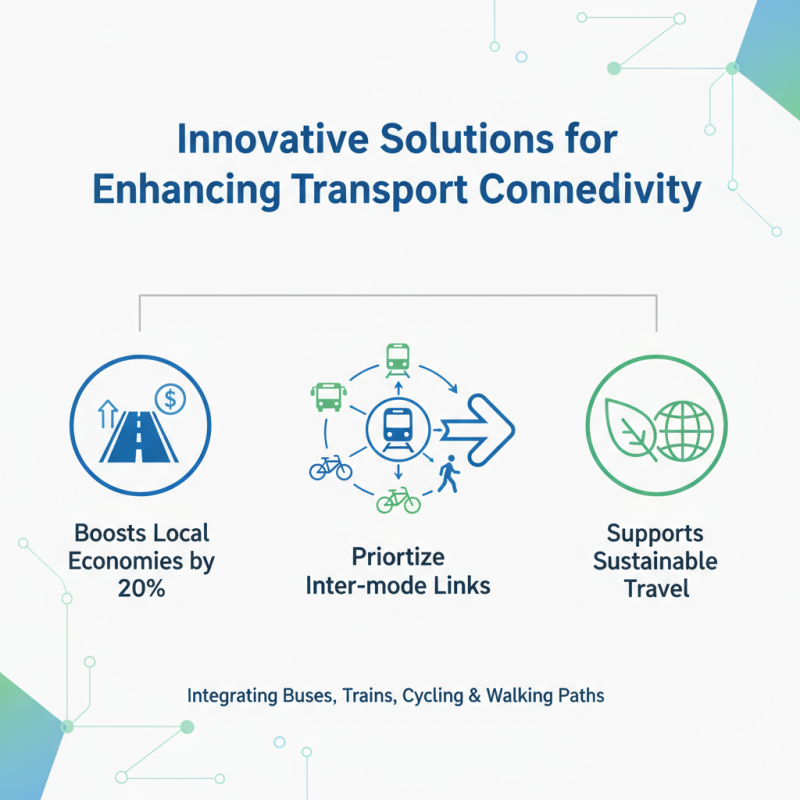
Innovative transport solutions are critical for enhancing connectivity. Studies show that effective transport systems can boost local economies by 20%. To support sustainable travel, cities must prioritize inter-mode links. This means better integrating buses, trains, cycling, and walking paths.
One promising solution is the expansion of mobility hubs. These hubs serve as central points where various transport modes converge. They streamline transfers and reduce wait times. A report indicated that cities with mobility hubs saw a 15% increase in public transport usage. However, creating these hubs requires significant investment and planning. Many cities still lack the necessary infrastructure.
Smart technology can also play a role. Real-time data can help users make informed decisions. For example, apps can provide updates on delays or availability. Yet, the digital divide remains a challenge. Not everyone has access to the technologies that improve travel experience. Addressing this gap is essential for truly sustainable travel solutions.
Role of Technology in Facilitating Seamless Travel Connections
Advancements in technology are crucial for enhancing transport interconnectivity. Data from a recent industry report indicates that up to 75% of travelers prefer integrated transport systems that provide real-time information. When technology is effectively utilized, users can receive updates on delays and alternative routes instantly. This reduces frustration and encourages more sustainable travel choices.
Mobile applications play a significant role in facilitating seamless connections. These applications can combine schedules of various transport modes, making it easier for users to shift from a bus to a train. Reports have highlighted that integrated apps can lead to a 30% increase in the use of public transport. However, dependence on technology also raises security concerns that must be addressed. Users often lack trust in data safety, potentially deterring them from adopting these advancements.
A seamless travel experience often requires greater cooperation among service providers. Many reports suggest that less than half of regional transport systems effectively integrate their schedules. This gap results in inefficient connections, leading to increased travel times. Addressing this issue can significantly enhance the user experience, promoting sustainable travel practices. It’s essential for stakeholders to reflect on these challenges and explore more collaborative solutions.
Transport Interconnectivity for Sustainable Travel: The Role of Technology
This chart illustrates the impact of various technology implementations on enhancing transport interconnectivity for sustainable travel. Smart ticketing and integrated apps have the highest impact scores, highlighting their crucial role in facilitating seamless travel connections.
Best Practices from Global Cities for Sustainable Transport Interconnectivity
Improving transport interconnectivity is crucial for sustainable travel. Many global cities are adopting innovative practices. For instance, Copenhagen has invested heavily in cycling infrastructure. Approximately 62% of residents cycle daily, significantly reducing carbon emissions.
Similarly, Barcelona uses a superblock model to prioritize pedestrians and public transit. This strategy reduces traffic by 20%. Such initiatives promote cleaner air and enhance urban livability. However, not every city sees immediate success. For example, congestion can be an issue if public transport is not sufficiently robust.
Data from the International Transport Forum states that integrating various modes of transport can increase usage by 30%. Cities need to reflect on their existing systems. Can they improve connections between buses, trams, and trains? Many places still face barriers in creating seamless travel experiences. Enhancing communication between services is essential for maximizing ridership. Insights gleaned from successful global cities can guide local efforts.
Policy Recommendations to Improve Sustainable Transport Integration
To enhance sustainable transport integration, specific policy recommendations are crucial. Research indicates that only 37% of urban areas have effective multimodal transport hubs. This results in longer travel times and increased emissions. Encouragingly, cities that prioritize transport interconnectivity see a 25% reduction in carbon footprints. This highlights the potential of integrated systems.
Investment in infrastructure is essential. Reports indicate that every dollar spent on public transport generates approximately four dollars in economic returns. However, many regions still lack adequate funding. For instance, in regions with aged infrastructure, cycling paths and bus lanes remain underdeveloped. This creates barriers to sustainable travel options.
Moreover, inadequate awareness hampers progress. Many citizens are unaware of available transport options. Data shows that community engagement can increase public transport usage by up to 15%. Policymakers should focus on campaigns that inform the public about sustainable choices. This is not only cost-effective, but it can also change behaviors. Engaging communities can transform perceptions of public transit.