Why is Service Logistics Essential for Global Procurement?
Service logistics plays a vital role in global procurement. It connects suppliers, manufacturers, and consumers across borders. According to Dr. Emily Chen, a leading expert in service logistics, “Efficient service logistics enables businesses to meet diverse customer needs, ensuring timely delivery and operational success.”
In today’s interconnected world, understanding service logistics is crucial. Companies rely on it to navigate complex supply chains. Effective logistics management involves careful planning and execution. This includes managing inventory, transportation, and customer relations. Yet, many organizations still struggle with these processes.
As globalization continues, the importance of service logistics grows. It allows businesses to be more flexible and responsive. However, challenges remain. Companies may overlook small details that lead to inefficiencies. Finding the right balance in logistics strategies is essential. Without it, businesses risk frustrating customers and falling behind competitors.

The Role of Service Logistics in Global Supply Chains
Service logistics plays a pivotal role in global supply chains. It encompasses every step from planning to delivery. Effective service logistics ensures that goods reach their destination on time and in perfect condition. This is vital for customer satisfaction. For many organizations, missed deadlines can lead to lost business and damaged reputation.
In global procurement, the complexities multiply. Transporting goods across borders involves navigating various regulations. Delays can occur due to customs inspections or paperwork issues. Understanding these factors is essential for smooth logistics. Knowledgeable professionals in service logistics can anticipate challenges. They prepare strategies to mitigate risks, improving efficiency throughout the supply chain.
However, not all service logistics processes are foolproof. Unexpected disruptions often arise, like natural disasters or economic fluctuations. Companies must regularly evaluate their logistics strategies. Flexibility and adaptability are crucial. A well-designed service logistics framework allows businesses to respond promptly. This proactive approach can safeguard operations, even in uncertain environments.
Key Components of Effective Service Logistics in Procurement
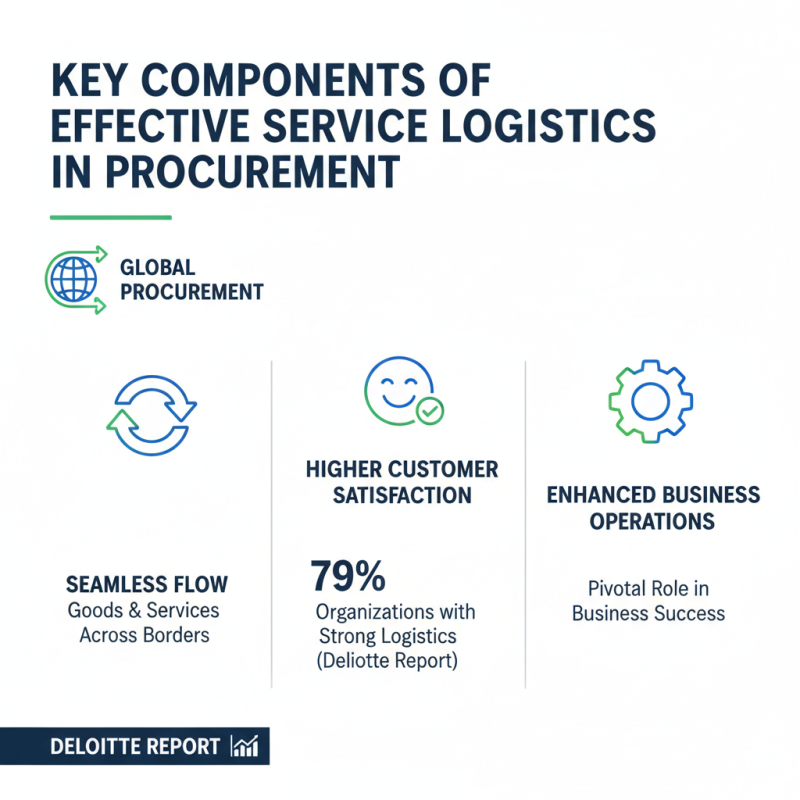
Effective service logistics is pivotal for global procurement. It ensures a seamless flow of goods and services across borders. A recent report by Deloitte highlights that 79% of organizations with strong logistics capabilities experience higher customer satisfaction. This statistic underlines the critical role of logistics in enhancing business operations.
In procurement, key components include inventory management, transportation, and supplier relationships. Efficient inventory management minimizes costs and increases responsiveness. According to a McKinsey study, companies that optimize inventory levels see up to a 30% reduction in holding costs. Transportation reliability also impacts procurement. Delays can lead to missed opportunities and lost revenue. Reliable suppliers are essential. Building strong relationships fosters better communication and trust, crucial for navigating challenges.
Tip: Regularly review logistics performance metrics to identify areas for improvement. Engage with suppliers to streamline processes. Transparency in communication can lead to better collaboration. Addressing potential issues early can mitigate risks in the supply chain. Ensuring flexibility and responsiveness will enhance overall logistics efficiency, reflecting positively on procurement outcomes.
Impact of Service Logistics on Cost Efficiency and Resource Management
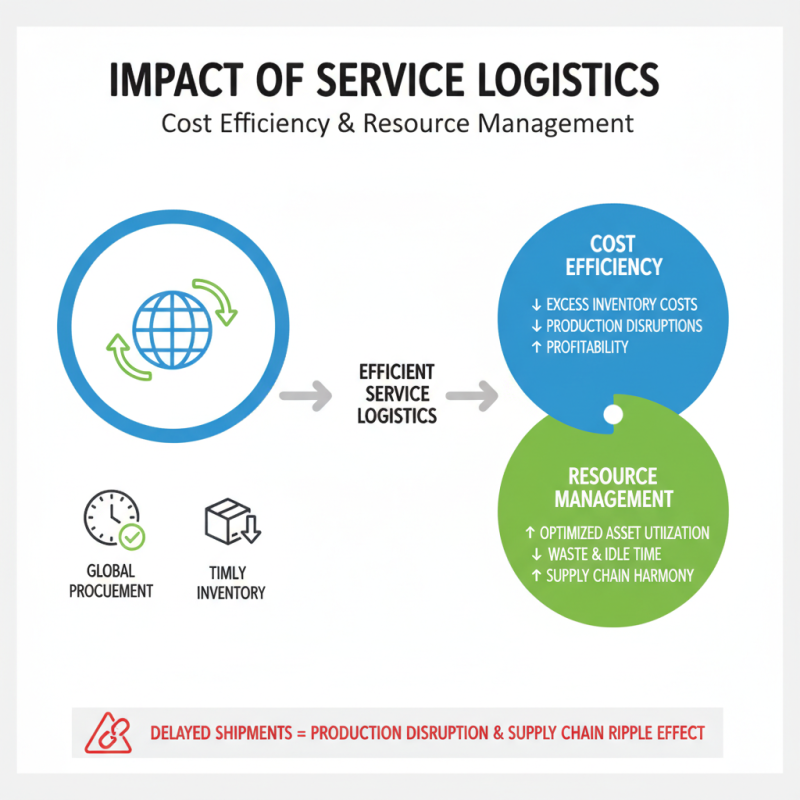
Service logistics plays a crucial role in global procurement. It significantly impacts cost efficiency and resource management. Efficient logistics ensures timely delivery of goods, which reduces excess inventory costs. Delayed shipments can disrupt production schedules. This creates a ripple effect throughout the supply chain.
Resource management is essential for sustainability. A well-structured logistics system can optimize the use of transportation and warehousing. This reduces waste and minimizes carbon footprints. However, it requires careful planning and constant monitoring. Companies often struggle with balancing cost and service quality. Adjustments can lead to unforeseen expenses, impacting overall budgets.
Focusing on relationships with suppliers is vital. Streamlined communication enhances transparency and trust. Yet, over-reliance on specific providers can lead to vulnerabilities. Companies should aim for a diverse supplier base. This can mitigate risk, but it also complicates logistics management. The challenge lies in finding the right balance.
Challenges in Implementing Service Logistics for Global Procurement
Service logistics plays a crucial role in global procurement. However, implementing it effectively poses significant challenges. One major issue is the complexity of supply chains. Transporting goods across different countries often involves varying regulations and customs requirements. This can lead to delays and added costs.
Additionally, communication barriers can hinder the logistics process. Teams spread across different time zones may struggle to synchronize efforts. Poor communication can result in misunderstandings about delivery schedules and inventory needs. Shifting from local to global operations requires a steep learning curve for many businesses.
Technological advancements offer solutions, but integration remains a concern. Many companies face difficulties adapting existing systems to support global logistics. Lack of real-time data can lead to inefficient decision-making. Addressing these issues is essential for those looking to enhance their service logistics in a global context. Companies must develop a more adaptable and informed approach to logistics for better outcomes.
Challenges in Implementing Service Logistics for Global Procurement
Future Trends in Service Logistics and Their Importance for Global Trade
Service logistics plays a crucial role in enhancing global trade. With the rise of e-commerce and global supply chains, it facilitates the movement of goods and services. Logistics services ensure timely deliveries while managing costs effectively. Companies must embrace these services to remain competitive.
Emerging trends in service logistics are reshaping procurement strategies. Automation and artificial intelligence streamline operations. They reduce errors and enhance efficiency. However, the workforce must adapt to these technologies. Resistance to change can hinder progress. Sustainability is another key trend. Businesses are seeking eco-friendly logistics solutions to meet consumer demands.
Global trade requires a keen understanding of these logistics trends. Organizations must invest in training and development for their teams. Investing in technology is essential, as manual processes are becoming obsolete. Flexibility and adaptability are critical. Balancing immediate needs with future goals is challenging yet necessary. Embracing these trends will ultimately lead to more robust global procurement strategies.
Why is Service Logistics Essential for Global Procurement? - Future Trends in Service Logistics and Their Importance for Global Trade
| Dimension |
Description |
Impact on Global Trade |
Future Trend |
| Efficiency |
Streamlining processes to minimize delays and costs. |
Enhances competitiveness in global markets. |
Automation of logistics processes. |
| Flexibility |
Ability to adapt to changes in demand and supply. |
Supports better responsiveness to market changes. |
Integration of AI and predictive analytics. |
| Visibility |
Real-time tracking of inventory and shipments. |
Minimizes risks and enhances trust with partners. |
Blockchain technology for transparent logistics. |
| Sustainability |
Practices aimed at reducing environmental impact. |
Emphasizes long-term viability in global trade. |
Adoption of green logistics strategies. |
| Collaboration |
Partnerships between suppliers, carriers, and customers. |
Enhances coordination and efficiency across the supply chain. |
Development of collaborative platforms. |