Top Tips for Choosing the Right Rail Transfer Cart for Your Needs?
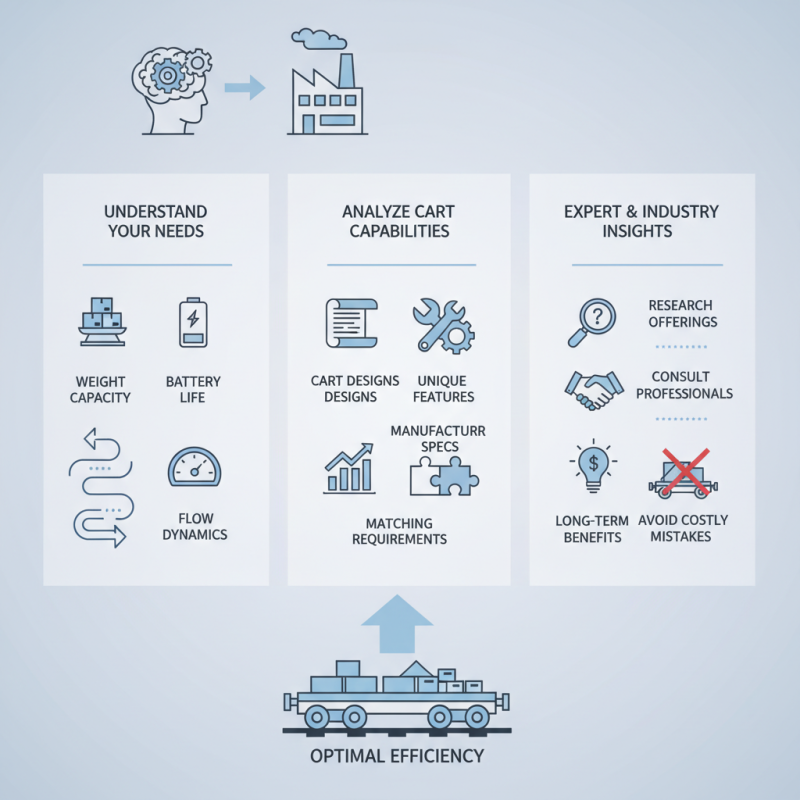
Choosing the right Rail Transfer Cart can significantly enhance your operational efficiency. According to Dr. Emily Carter, an expert in material handling solutions, “Selecting a suitable transfer cart requires understanding both your specific needs and the cart’s capabilities.” Many businesses face challenges in this selection process. They may overlook crucial factors, leading to inefficient operations.
A well-designed Rail Transfer Cart can optimize freight movement. These carts come in various styles and capacities. Each model has unique features tailored to distinct tasks. For instance, weight capacity, battery life, and speed are critical considerations. However, even with detailed specifications, users often find it difficult to match a cart to their requirements perfectly. Missteps can result from underestimating your cargo needs or overestimating the cart's versatility.
Therefore, reflecting on your operational landscape is essential. Identify your specific transferring tasks and flow dynamics. Engage with industry professionals for insights, and analyze manufacturers’ offerings closely. Investing time in the selection process can yield significant long-term benefits, avoiding costly mistakes.
Types of Rail Transfer Carts and Their Uses
When choosing a rail transfer cart, understanding the types available is crucial. There are various categories that serve different needs in industries such as manufacturing and logistics. For example, electric rail transfer carts are commonly used for transporting heavy goods across long distances. According to the Industrial Truck Association, these carts can carry loads exceeding 100 tons, making them ideal for extensive factory operations.
Alternatively, manual rail transfer carts offer a cost-effective solution for smaller tasks. They require less power and can be easily maneuvered in tight spaces. A study by the Material Handling Industry found that manual carts could reduce operational costs by 20% in certain settings. Many facilities find this type advantageous when dealing with lighter items or during maintenance activities.
Furthermore, specialized rail transfer carts are available. Some are designed for hazardous materials, equipped with safety features to prevent spills. Others focus on temperature control for sensitive cargo. The versatility is noteworthy, but selecting the right one involves considering both the specific application and the potential for operational challenges. A mismatch could lead to inefficiencies, highlighting the need for careful evaluation.
Top Tips for Choosing the Right Rail Transfer Cart for Your Needs
| Type of Rail Transfer Cart | Load Capacity (tons) | Power Source | Typical Use Cases |
| Electric Rail Transfer Cart | 1-50 | Electric | Factory transport, assembly line |
| Manual Rail Transfer Cart | 0.5-5 | Manual | Small workshops, light material transport |
| Automated Guided Rail Cart | 5-30 | Electric (AGV) | Automated warehouses, distribution centers |
| Heavy Duty Rail Transfer Cart | 30-100 | Diesel or Electric | Construction sites, heavy machinery transport |
Key Specifications to Consider When Selecting a Rail Transfer Cart
When selecting a rail transfer cart, key specifications can significantly impact functionality. Consider weight capacity as a primary factor. Depending on your load, ensure the cart can handle the necessary weight without compromising safety. It’s crucial to analyze the terrain too. Carts designed for uneven surfaces may require enhanced wheels or suspension systems.
Another essential specification is the power source. Electric models offer ease and efficiency, but they may require charging infrastructure. While manual carts are cost-effective, they can limit load movement potential. Always assess your specific needs and environment to determine which option aligns best with your operations.
Don't overlook safety features. Adequate brakes and emergency stop systems are vital for safe operation. Evaluate user reviews and experience reports to guide your decision. With each specification, reflect on its practical application in your environment. A cart that shines on paper might not perform well in real-world conditions. Prioritize reliability over flashy features, as performance is what truly counts in the long run.
Factors Affecting Capacity and Weight Limits of Rail Transfer Carts
When selecting a rail transfer cart, understanding the factors affecting capacity and weight limits is crucial. The design and materials used in a cart directly influence its capacity. For instance, carts made from high-grade steel typically offer more strength and durability compared to those made from less robust materials. According to industry reports, the weight capacity of standard rail transfer carts can range from 1 ton to upwards of 100 tons, influenced by these material properties.
Moreover, the cart's wheels and chassis play a significant role in weight limits. A greater number of wheels can distribute weight more evenly, allowing for heavier loads. However, this can also complicate maneuverability in tight spaces. Additionally, environmental conditions can impact performance. For example, if a cart operates in extreme temperatures or on uneven surfaces, its rated capacity may need adjustment. Understanding these nuances ensures you choose a cart that not only meets your current needs but also accommodates future demands.
It's essential to consider the specific application of the cart. Application-related factors include frequency of use, load types, and transportation distances. A cart frequently loaded with materials that vary widely in weight may require an over-engineered solution, potentially overspending on capacity that is rarely utilized. Balancing performance and cost-effectiveness can be challenging. Monitoring how well a cart meets operational demands could also lead to necessary adjustments in future purchases.
Safety Features and Compliance Standards for Rail Transfer Carts
When selecting a rail transfer cart, safety features are paramount. A reliable cart should have anti-collision systems. Such systems help prevent accidents during operation. Additionally, guard rails can provide critical protection. They keep loads secure while in transit and minimize risks.
Compliance with safety standards is equally important. Ensure the cart follows recognized guidelines for construction and operation. Certifications from regulatory bodies indicate adherence to safety protocols. Features like emergency stop buttons and safety warning lights should also be checked. These elements enhance usability and prevent mishaps.
Consider the weight capacity and material quality too. The cart must match the load requirements for your operations. A cart that is too weak can lead to failures. Evaluate user reviews and safety ratings when making a decision. This way, you can reflect on potential weaknesses and choose wisely.
Maintenance Tips for Ensuring Longevity of Rail Transfer Carts
When it comes to rail transfer carts, maintaining their longevity is crucial. Regular maintenance can significantly enhance their lifespan and reliability. According to industry reports, a well-maintained rail transfer cart can last up to 20% longer than one that is neglected. This demonstrates the importance of upkeep.
One key aspect of maintenance is routine inspections. Check the wheels and tracks for wear and tear. Ensure that all moving parts are properly lubricated. A small oversight, like inadequate lubrication, can lead to significant operational issues. Industry standards recommend checking these components monthly. Keeping a detailed maintenance log can help track repairs and identify patterns over time.
Another important factor is addressing corrosion. Rail transfer carts often operate in various environments, increasing the risk of corrosion. Applying anti-corrosion coatings can mitigate this risk. Furthermore, cleaning the carts regularly helps to prevent dirt buildup. Neglecting this can lead to unexpected breakdowns during crucial operations. Such events can be costly, not just in terms of repairs but also in terms of lost productivity.
