Top Tips for Transporting Goods Overseas Safely?
Transporting goods overseas can be complex. Experts emphasize the importance of safety and efficiency in this process. John Smith, an industry leader in logistics, once stated, "To transport overseas effectively, attention to detail is key." His insight resonates in every shipment.
When you transport overseas, consider various factors. Packaging must be robust to withstand long journeys. Unexpected delays can damage fragile items. Proper documentation is also crucial. Missing paperwork often leads to costly delays.
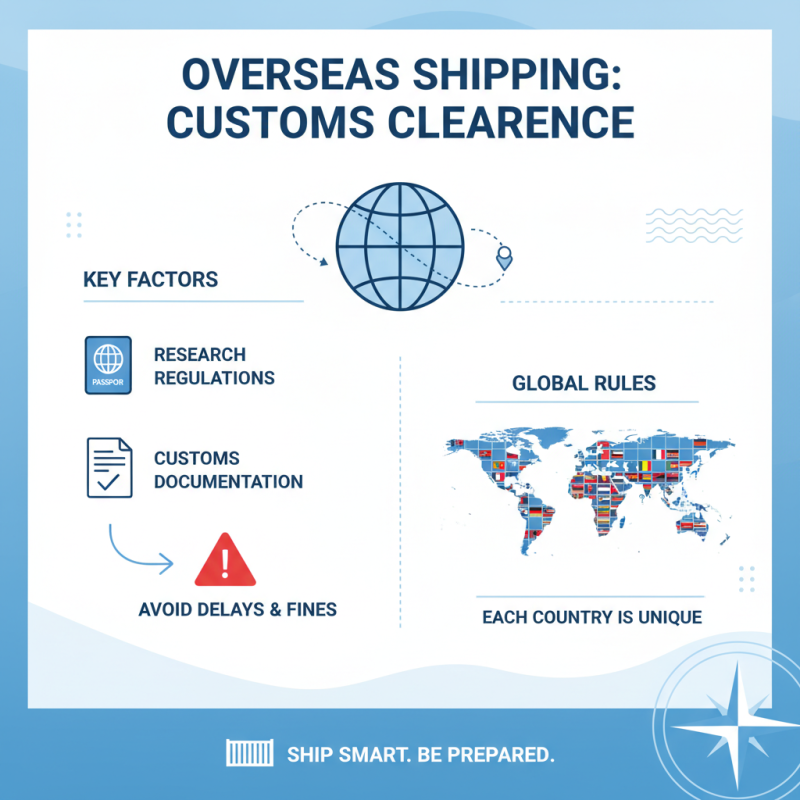
In addition, understanding customs regulations is vital. Each country has unique rules. Missteps can result in fines or returns. It's not just about sending items; it's about doing it right. Mistakes can happen, but learning from them is essential. Reflecting on past experiences can improve future shipments.
Understanding the Importance of Safe Overseas Transportation
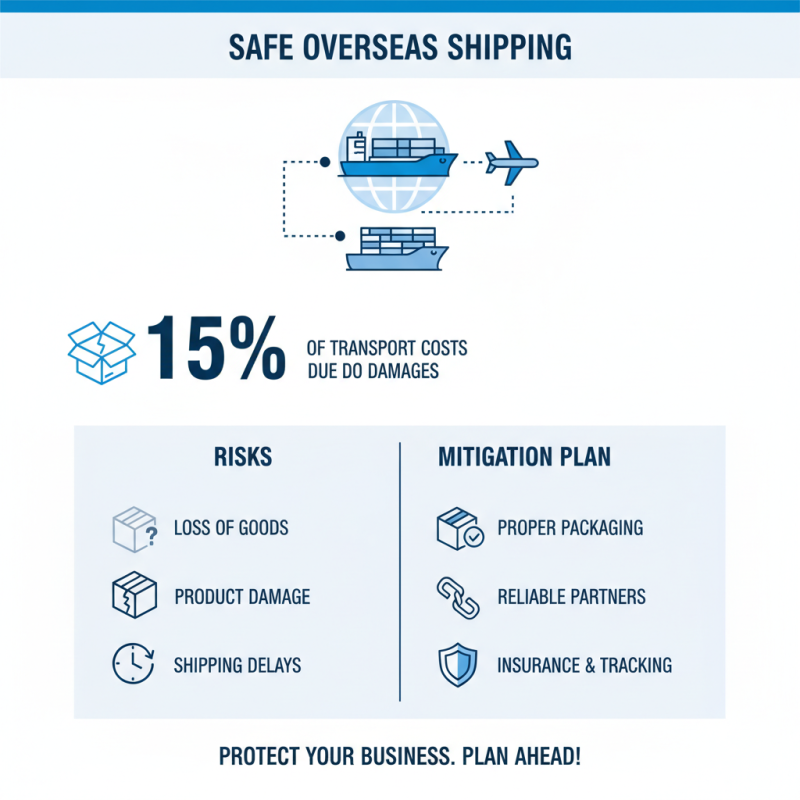
Understanding the safe transportation of goods overseas is crucial for businesses today. Poor handling can lead to loss, damage, or delays. According to a report by the International Logistics Association, shipping damages account for about 15% of total transportation costs. Therefore, having a solid plan is essential to mitigate risks.
Use the right packaging materials. A study by the Freight Transportation Research Association highlighted that improper packaging can increase chances of damage by up to 30%. Employ cushioning materials and choose containers that are suited for your goods. Also, consider climate conditions. Temperature-sensitive items require special handling and insulation.
Track your shipments. A report by the Global Supply Chain Institute indicated that real-time tracking could reduce loss rates by 20%. It’s vital to know where your goods are at all times. This allows for prompt action in case of issues. Communicate with your logistics provider. Clear expectations can help avoid misunderstandings and enhance safety. A collaborative approach often leads to better outcomes.
Choosing the Right Shipping Method for Your Goods
Choosing the right shipping method for your goods can significantly impact your overseas transportation experience.
Air freight is quick but can be costly. It works best for small, high-value items that need prompt delivery.
Shipping by sea is more economical for larger loads, but it takes longer. Balancing speed and cost is crucial.
Consider the nature of your goods. Fragile items require careful handling and specific packaging.
Heavy machinery may need special containers or equipment. Do your research on regulations for the destination country.
Unexpected tariffs can affect overall costs.
Reflect on the shipping timeline. Delays can occur due to weather or customs checks. Prepare for potential hiccups by allowing extra time and keeping customers informed.
Reliable communication is essential. Understanding these factors will enhance your shipping strategy and lead to safer transport.
Packaging Best Practices for International Shipping
When shipping goods internationally, packaging is crucial. Start with durable materials that can withstand various conditions. Use sturdy boxes or crates made of quality materials. Ensure all items inside are cushioned with bubble wrap or foam. This prevents damage during transit. Remember, a box that appears fine may have unseen weaknesses.
Consider the weight and size of your package. Heavy items should be packed tightly to avoid shifting. If space allows, add some void fill. It keeps everything snug. Labeling is also important; it should be clear and visible. Sometimes, labels get smudged or fall off. Use waterproof labels to reduce this risk.
Be mindful of customs regulations. Incorrectly labeled or inadequately packaged items may get delayed. This can lead to unforeseen costs. Packaging should reflect the contents honestly. Take a moment to double-check everything. Missteps can lead to baggage being held or returned. Properly sealing your package can make a big difference, too. Moisture can damage contents, so use sealing tape and protective wrappings wisely.
Top Tips for Transporting Goods Overseas Safely - Packaging Best Practices for International Shipping
| Tip |
Description |
Materials Suggested |
Best Practices |
| Choose the Right Packaging |
Select packaging that suits the nature of the goods being shipped. |
Corrugated boxes, foam padding, anti-static bubble wrap |
Use strong boxes that can withstand shipping stress. |
| Seal Packages Properly |
Ensure packages are sealed securely to prevent leakage or damage. |
Heavy-duty packing tape, shrink wrap |
Reinforce seams and edges with tape. |
| Label Clearly |
Include clear labels with destination information and handling instructions. |
Durable labels, markers |
Use weather-resistant labels for outdoor shipping. |
| Insulate Temperature-Sensitive Goods |
Use insulation for items that are sensitive to temperature changes. |
Thermal blankets, insulated containers |
Monitor shipping temperature during transit. |
| Choose Reliable Carriers |
Select carriers with a solid reputation for international shipping. |
N/A |
Research carrier reviews and performance history. |
Tips for Insurance and Tracking During Transit
Transporting goods overseas can be a daunting task. Ensuring insurance coverage is crucial. According to a report by the International Federation of Freight Forwarders Associations, around 70% of cargo losses could be mitigated through proper insurance. When selecting an insurance policy, look for comprehensive coverage that protects against theft, damage, and loss. Always understand the terms and conditions of the policy. Relying on standard coverage may not be enough.
Tracking shipments in real-time is essential for peace of mind. Advanced tracking technologies have increased visibility in the shipping process. A study by Logistics Management noted that companies using tracking solutions reduced their loss rates by 30%. Implementing GPS tracking can help you pinpoint exact locations and monitor transit conditions. Regular updates keep all parties informed. However, glitches can occur. Systems may fail or provide incomplete data. Having a backup method for notifications is wise.
Communication with the shipping company is vital. Share your tracking preferences and timelines. Transparency can prevent misunderstandings. However, ensure their communication systems are reliable. Gaps in information may lead to misjudgments. Always keep contingency plans handy. This approach prepares you for unexpected delays or losses.
Top Tips for Transporting Goods Overseas Safely