In today's rapidly changing logistics landscape, finding the right i freight solutions is essential for businesses. Efficient shipping options can drastically cut costs and time. Many companies face challenges in selecting the best methods for their needs.
Innovation drives the freight industry. New technologies are emerging that enhance shipping efficiency. From automated tracking systems to real-time communication tools, these developments are reshaping how goods move globally. However, not all solutions are perfect or fit every business. Some companies may struggle to adapt to these rapid changes.
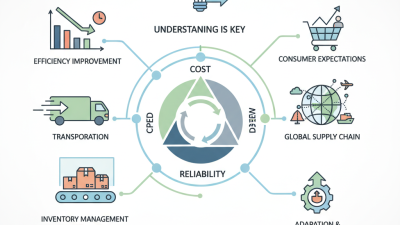
Understanding your specific shipping needs is crucial. While many freight solutions boast efficiency, they may not suit every situation. It is essential to evaluate options carefully. Sometimes, traditional methods may still outperform the latest innovations. Rethinking strategies and being open to different solutions can lead to improvements. Balancing modern technology with reliable practices can be the key to success in shipping logistics.

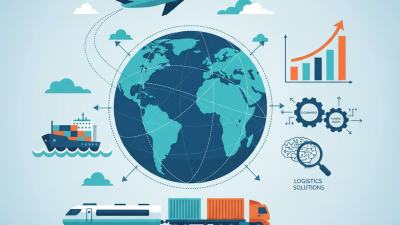
In 2026, the freight market shows significant growth. Changes in consumer behavior drive demand. Companies adapt by offering diverse shipping options. A blend of air, sea, and land transport is common. Flexibility in logistics is crucial. Clients appreciate faster delivery times. Satisfaction relies heavily on timely shipments.
Sustainability also influences trends. Environmentally friendly shipping methods are gaining popularity. The use of electric vehicles and alternative fuels is on the rise. Many businesses face challenges in implementing these practices. Cost and infrastructure remain obstacles. These changes can enhance efficiency but need careful planning.
Data analytics plays a key role in optimizing shipping routes. Companies increasingly rely on tech solutions for better decision-making. Yet, they must be cautious about data privacy issues. Reliance on technology raises questions about vulnerability. It's essential to strike a balance between innovation and security. The freight landscape is evolving, but challenges remain.
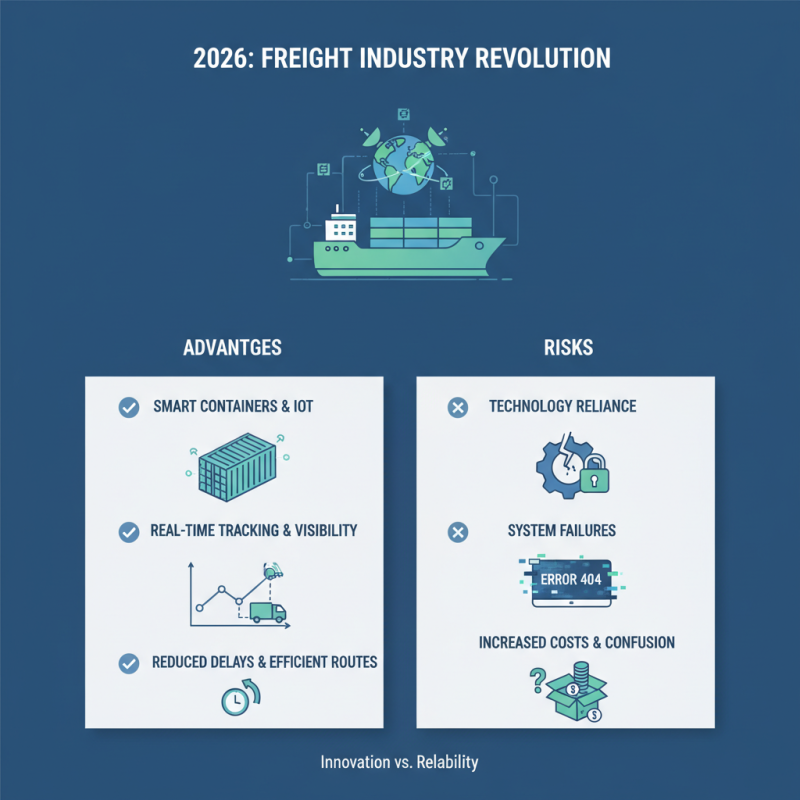
In 2026, innovative shipping technologies are drastically reshaping the freight industry. Smart containers equipped with IoT devices are now common. These devices track shipments in real-time, ensuring better visibility. This can reduce delays and improve route efficiency. However, reliance on technology also has risks. Tech failures can lead to confusion and increased costs.
Implementing automated sorting systems can speed up warehouse operations. These systems enhance efficiency but require upfront investment. Companies must weigh the pros and cons carefully. Are they ready for this shift, or is it too soon?
Tips: Consider investing in employee training. Technology is only as good as the people using it. Create a backup plan for tech failures. Don't ignore the human element in logistics. Balancing technology with human skills is crucial for success.
As we look into 2026, freight rate trends reveal a complex landscape. According to the latest industry reports, average freight rates have surged by 15% compared to 2025. This increase is driven by a combination of rising fuel prices and tightening capacity. Notably, sea freight costs have elevated more dramatically, representing a staggering 20% hike.
Cost-effective solutions are crucial for businesses navigating this environment. Implementing advanced analytics can enhance route optimization. A recent study indicated that companies utilizing data-driven decisions reduced their shipping costs by up to 10%. However, not all firms have adapted quickly. Many still rely on outdated methods, missing opportunities for savings.
Moreover, environmental considerations are mandatory. A shift towards sustainable practices is necessary. Adopting greener technologies can also reduce long-term costs. Yet, some companies hesitate, fearing initial investments. This hesitation may cost them more as regulations tighten. Embracing innovation is essential, but the path is not always clear. Risk is inherent, and many must confront their apprehensions about change.
| Freight Type | Average Cost per Ton ($) | Transit Time (Days) | Best Use Case | Environmental Impact (CO2 Emissions per Ton) |
|---|---|---|---|---|
| Road Freight | 120 | 3-5 | Short to medium distances | 200 kg CO2 |
| Rail Freight | 90 | 7-10 | Bulk goods over long distances | 50 kg CO2 |
| Air Freight | 400 | 1-3 | Urgent shipments, high value | 500 kg CO2 |
| Sea Freight | 80 | 20-30 | Large bulk shipments | 15 kg CO2 |
| Intermodal Freight | 110 | 5-12 | Cost-effective, multiple modes | 160 kg CO2 |
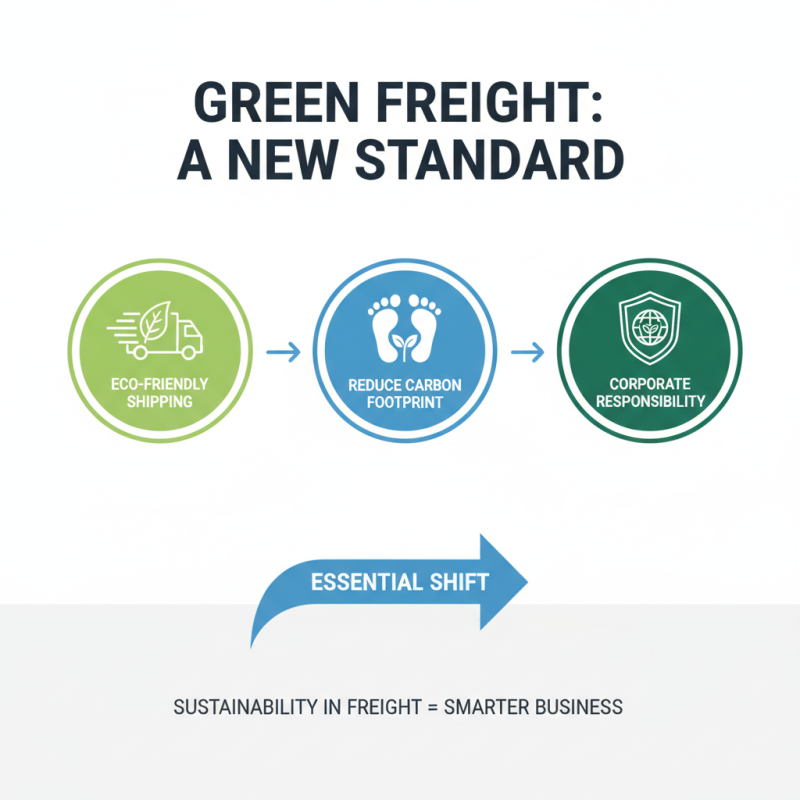
Sustainability in freight is becoming essential. Companies are now looking for eco-friendly shipping practices. It can help reduce carbon footprints. This shift is not just a trend; it represents responsibility.
Adopting green logistics requires thought. Here are some tips to consider:
- Use electric vehicles. They reduce emissions significantly.
- Optimize delivery routes. It saves fuel and time.
- Invest in biodegradable packaging. It minimizes waste.
Many businesses struggle with these changes. Making sustainable choices often seems daunting. There's a cost associated with new technologies. However, long-term savings can outweigh initial investments. Public perception also shifts positively with green practices.
Considerations like carbon offsets can aid in sustainable efforts. They may not solve everything but are a step forward. Engage with local suppliers to reduce transport distances. Every small change adds up. Growth emerges from trying and failing sometimes. Experimentation is part of the sustainability journey.
In 2026, the logistics landscape is rapidly evolving. Shippers are keen on finding strategies that enhance efficiency. Different freight carriers offer unique advantages suited for various needs. Flexibility is becoming crucial, as some carriers provide multiple shipping options. They adapt to changing demands and varied cargo types.
Speed is another competitive edge. Certain freight options prioritize fast delivery, ensuring that time-sensitive materials arrive on schedule. Cost-effectiveness must not be overlooked either. Many carriers now offer competitive rates without sacrificing service quality. This creates a challenge for shippers to balance cost and speed effectively.
Sustainability has emerged as a key focus. Carriers are exploring eco-friendly solutions to meet growing environmental expectations. However, this shift may result in higher initial costs. Shippers must weigh the long-term benefits against immediate budget constraints. As the shipping industry adapts, careful consideration is essential.