Top 10 i Freight Solutions for Global Buyers to Consider?
In today's global marketplace, businesses face complex logistics challenges. Selecting the right "i freight solutions" can significantly impact efficiency and cost. These solutions involve advanced technologies and streamlined processes, catering to international buyers’ needs.
Global shipping demands flexibility and reliability. Companies must evaluate numerous providers, each offering distinct advantages. However, it's essential to recognize that not every solution fits every business. Some solutions may overpromise and underdeliver, leading to potential setbacks.
As you venture into selecting suitable i freight solutions, consider factors like support networks, tracking capabilities, and sustainability practices. Striving for clarity in your choices can enhance your operational efficiency. By exploring diverse options, you empower your business in a competitive landscape.
Overview of Freight Solutions for Global Buyers
Efficient freight solutions are crucial for global buyers. They need to navigate complex logistics. Understanding various options can streamline your supply chain.
Shipping modes vary, including air, sea, and rail. Each mode has unique benefits and costs.
Air freight is fast but can be expensive.
Sea freight is cost-effective for large shipments but slower.
Rail can be a middle ground for certain routes.
Tip: Assess your timeline and budget before choosing a method. Sometimes, delays occur and costs can increase unexpectedly. Always have a backup plan for transport.
Consider using a freight forwarder. They manage logistics, documentation, and customs clearance. A professional can save you time and headaches. However, not all forwarders offer the same service quality.
Tip: Research your forwarder thoroughly. Read reviews and ask for references. Trust is vital in global shipping. Be prepared to switch providers if your needs aren't met.
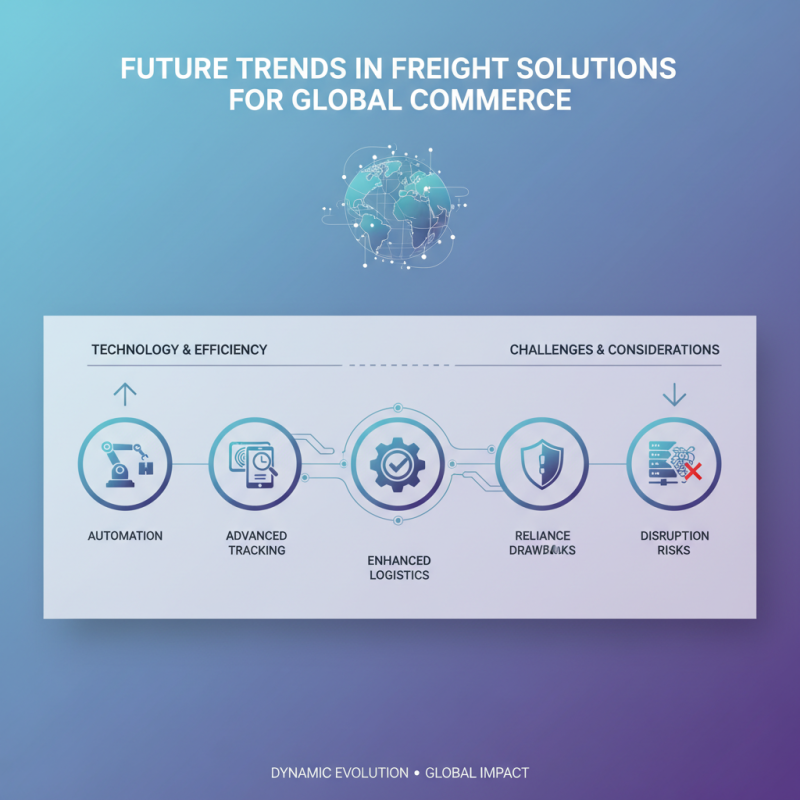
Technology is reshaping freight solutions. Track shipments in real-time through various platforms. This transparency enhances accountability but also develops dependencies. Ensure you have contingency measures for technology failures.
Key Factors in Choosing Freight Solutions
When selecting freight solutions, several key factors can significantly affect the logistics process. The importance of
cost-effectiveness is paramount. According to industry reports, shipping costs have risen by nearly
25% over the past two years due to global supply chain disruptions. Therefore,
comparing quotes from multiple freight providers can lead to better deals. It’s essential to analyze each option thoroughly, ensuring they meet specific
budget constraints without compromising service quality.
Reliability is another factor to consider. A recent survey found that over
40% of buyers experience delays in their shipments. Choosing a provider with a proven
track record for timely deliveries can make a significant difference. Look for performance metrics or reviews that highlight on-time delivery rates.
It’s vital to research and ensure your chosen partner has a transparent system for tracking shipments.
Tips: Always verify insurance coverage before proceeding with
any freight solutions. This step protects you from financial loss. Additionally, consider the geographical reach of the provider.
Many businesses overlook this, limiting their operational flexibility. A broader network may reduce transit times and introduce
new market opportunities.
Top Ten Freight Solutions: Features and Benefits
In today's global market, efficient freight solutions are essential for buyers. A recent report by the International Freight Forwarders Association highlights that 71% of companies cite logistics as a critical factor for success. Companies must assess suitable freight methods for their unique needs.
Freight solutions vary widely, offering features that address different challenges. Door-to-door service simplifies logistics, ensuring cargo moves seamlessly from origin to destination. Conversely, less-than-truckload (LTL) options allow for cost savings by consolidating shipments. Data from the World Trade Organization reveals that utilizing LTL can decrease transportation costs by up to 20%.
However, challenges persist. Not all solutions are flexible enough to adapt to sudden changes, such as shifts in global trade policies. A study from FreightWaves shows that 30% of companies experience delays due to mismanaged logistics. Buyers must remain vigilant, evaluating the adaptability of their freight partners to avoid disruptions in their supply chain.
Comparative Analysis of Costs and Efficiency
In the competitive landscape of international logistics, cost efficiency and reliability are crucial. According to a recent report from the International Freight Forwarders Association, shipping costs have increased by 20% over the past year due to rising fuel prices and global demand fluctuations. This makes understanding cost efficiency essential for global buyers.
Factors affecting freight costs include distance, shipping methods, and origin-destination pairs. A detailed analysis shows that air freight remains the fastest but most expensive option, averaging $5.00 per kilogram. In contrast, sea freight costs about $0.15 per kilogram, making it more cost-effective for bulky shipments. However, sea transport can take several weeks, raising concerns over delivery timeliness.
Buyers should also assess the reliability of carriers. The Logistics Performance Index indicates that reliability issues can lead to 10-20% loss in revenue due to delays. Some carriers might promise low prices but falter on service quality. It’s vital to evaluate overall efficiency, not just upfront costs. Investing time in researching freight solutions can significantly enhance supply chain effectiveness and reduce long-term expenses.
Top 10 Freight Solutions for Global Buyers - Comparative Analysis of Costs and Efficiency