Top 10 Hollow Bit Types for Optimal Drilling Performance?
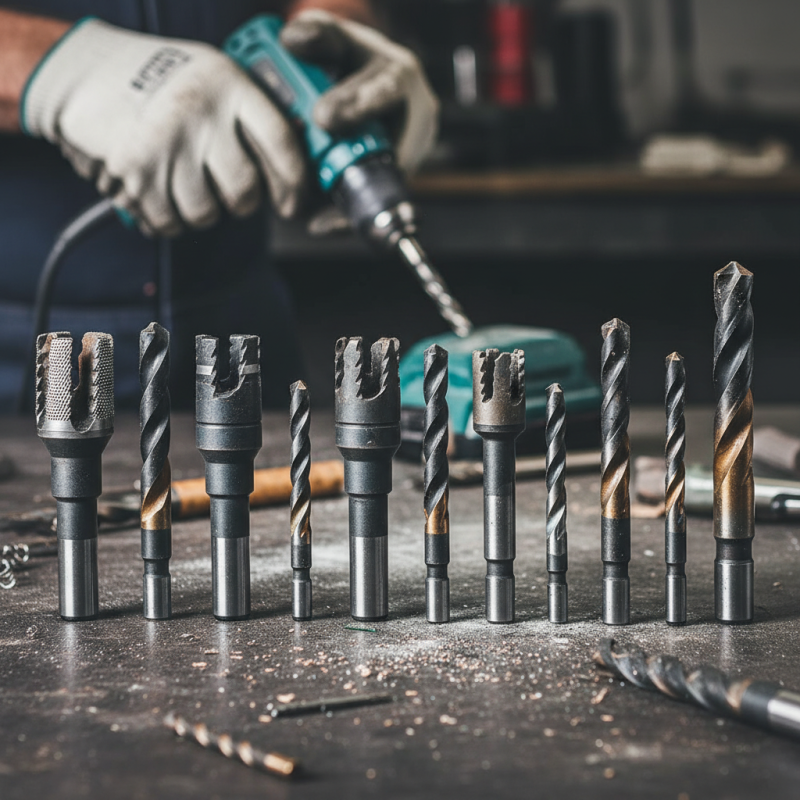
Hollow Bits play a crucial role in the drilling industry. Their efficiency and design directly affect performance. Selecting the right hollow bit can enhance productivity. It allows for faster drilling while maintaining precision.
Different types of hollow bits serve various purposes. Some are better suited for masonry, while others excel in wood. Each type has its strengths and weaknesses. Drillers must consider the material and desired result when choosing.
Understanding these distinctions is essential. A poor choice can lead to inefficiencies or damage. It's important to evaluate the available options. This awareness can help improve drilling outcomes and performance.
Types of Hollow Bits: Overview and Applications
Hollow bits are essential tools in drilling operations. They allow for efficient removal of material while keeping weight and drilling resistance low. Different types of hollow bits cater to various needs and applications. Some popular types include core bits, hole saws, and auger bits. Each type serves specific purposes, influencing drilling performance significantly.
Core bits are ideal for extracting cylindrical samples, widely used in mineral exploration. A recent report indicated that core bits can improve drilling efficiency by up to 35%. Hole saws are useful for creating larger diameter holes in soft materials. They are straightforward to use but may struggle with harder materials. Auger bits are favored in agriculture and construction for digging deep holes. These bits often work better in loose soil but can be less effective in rocky terrains.
Choosing the right hollow bit can affect drilling outcomes. Inefficient bit selection leads to time loss and increased costs. Industry data suggests that around 20% of drilling projects face delays due to inadequate tool choices. Understanding the characteristics of hollow bits is vital. Each type has its strengths and limitations, and mismatches can complicate operations. Selecting the appropriate bit requires careful consideration of project specifics.
Key Features of Optimal Hollow Bits for Drilling
When selecting hollow bits for drilling, several key features can significantly enhance performance. The material is crucial; high-grade steel or carbide tips ensure durability and reduce wear. Additionally, the design of the bit plays a vital role. Spiral flutes help in efficient chip removal, which maintains the bit's effectiveness during operation. A proper bit size is also essential for achieving desired hole dimensions.
Tips: Always match the bit size with the drill. An incorrect size can lead to inefficiencies. Testing different designs on various materials can provide insight into what works best for your specific needs.
Another critical aspect is cooling. Using a cooling fluid can extend the life of the hollow bit. It prevents overheating and can result in smoother holes. Moreover, the drilling speed affects performance. A slower speed may reduce friction and improve accuracy, yet it requires patience.
Tips: Monitor your drilling speed. Sometimes, slower is better. Take breaks to assess the bit's condition, ensuring optimal performance. Adapting your methods according to the bit's condition reveals areas for improvement.
Comparative Analysis of Hollow Bit Materials
When it comes to hollow bits, material choice significantly influences drilling performance. Common materials include high-speed steel (HSS), carbide, and diamond-coated options. HSS is robust but lacks the longevity of other materials. Carbide bits, while harder, are fragile under high stress. According to industry reports, up to 30% of drilling failures arise from material inadequacies. This often leads to increased costs and project delays.
The application of diamond coatings can enhance durability. Reports indicate that diamond-coated hollow bits can last up to three times longer than their HSS counterparts. However, they come with a higher initial cost. Many users note that the return on investment is substantial. Users often ponder the balance between performance and expense. Missing out on better materials can lead to frequent replacements and wasted time.
Drill operators frequently overlook the impact of poor material quality. Subpar bits can result in slower drilling speeds and suboptimal hole quality. Data suggests that selecting the right material could improve efficiency by about 25%. Industry professionals emphasize the need for careful evaluation. Choosing the wrong type can be a costly oversight. It’s evident that not all hollow bits are created equal. This decision requires thoughtful consideration and precision.
Factors Influencing Drilling Performance with Hollow Bits
When it comes to drilling with hollow bits, several factors influence performance. Bit design plays a crucial role. The geometry of the hollow bit determines how efficiently it cuts through materials. A well-designed bit allows for better chip removal, which can reduce friction and improve overall drilling speed. However, choosing the right design is not always straightforward. It often requires testing different bit shapes to find the best fit for specific applications.
Another critical factor is the drill speed and feed rate. These settings affect how the bit interacts with the material. If the speed is too high, it can lead to overheating. Conversely, a speed that's too low may lead to excessive wear. Finding the balance between speed and pressure isn’t always easy. Sometimes, it requires adjusting methods based on the materials’ responses.
Finally, the condition of the hollow bits matters greatly. Dull bits can drastically hinder performance. Regular maintenance is key, yet it can be overlooked. Operators may underestimate the impact of a well-maintained bit. Neglect leads to subpar results, wasting time and resources. Therefore, continual assessment is essential for optimal drilling performance.
Top 10 Hollow Bit Types for Optimal Drilling Performance | Hollow Bit Type | Diameter (mm) | Material | Application | Drilling Depth (m) |
| Standard Hollow Bit | 32 | High-Speed Steel | Wood, Plastic | 50 |
| Bi-Metal Hollow Bit | 25 | Bi-Metal | Metal, Wood | 30 |
| Diamond-Coated Hollow Bit | 20 | Diamond | Ceramics, Glass | 15 |
| Carbide-Tipped Hollow Bit | 40 | Carbide | Metal, Fiberglass | 60 |
| Spiral Flute Hollow Bit | 35 | Steel | Wood, Plastic | 45 |
| Flat Bottom Hollow Bit | 30 | High-Speed Steel | Soft Metals | 40 |
| Long Reach Hollow Bit | 28 | Steel | Deep Holes | 70 |
| Short Hollow Bit | 22 | Alloy Steel | Shallow Holes | 20 |
| Multi-Purpose Hollow Bit | 38 | Composite Material | Various Materials | 50 |
| Speed-Feed Hollow Bit | 26 | Steel | Wood, Soft Stone | 30 |
Best Practices for Using Hollow Bits Effectively
Using hollow bits can significantly enhance drilling performance. However, to achieve the best results, proper techniques are crucial. Start by choosing the right hollow bit for your project. Different tasks require specific types and sizes. For instance, larger bits are ideal for deep holes, while smaller bits offer precision for delicate work.
When using hollow bits, maintain steady pressure. Avoid applying too much force. This can lead to bit damage or uneven holes. Pay attention to the material being drilled. Softer materials may require less pressure, while harder materials need a more controlled approach. Regularly check your bit for wear. Dull bits can cause frustration and uneven results.
Cooling is critical during the drilling process. Use water or cutting oil to reduce friction and heat. This prolongs the life of your bit and improves efficiency. If you're not achieving the desired outcome, reassess your technique. Sometimes, a slight adjustment can lead to major improvements.
Keep track of your progress and be open to refining your methods. Experimentation can yield surprising benefits.