Top 10 Transport CIP Solutions for Efficient Shipping
In the world of logistics, "transport CIP" solutions play a vital role in enhancing shipping efficiency. Industry expert Dr. Emily Carter states, “Effective transport CIP solutions are the backbone of successful supply chains.” This highlights the importance of integrating transport CIP strategies to ensure seamless operations.
As companies strive to optimize their shipping processes, the challenge lies in choosing the best solutions. Many options exist, yet not all are effective. The top 10 transport CIP solutions outlined here aim to streamline shipping operations. These tools can minimize delays and cut costs significantly. However, it’s essential to evaluate each option carefully. One size does not fit all.
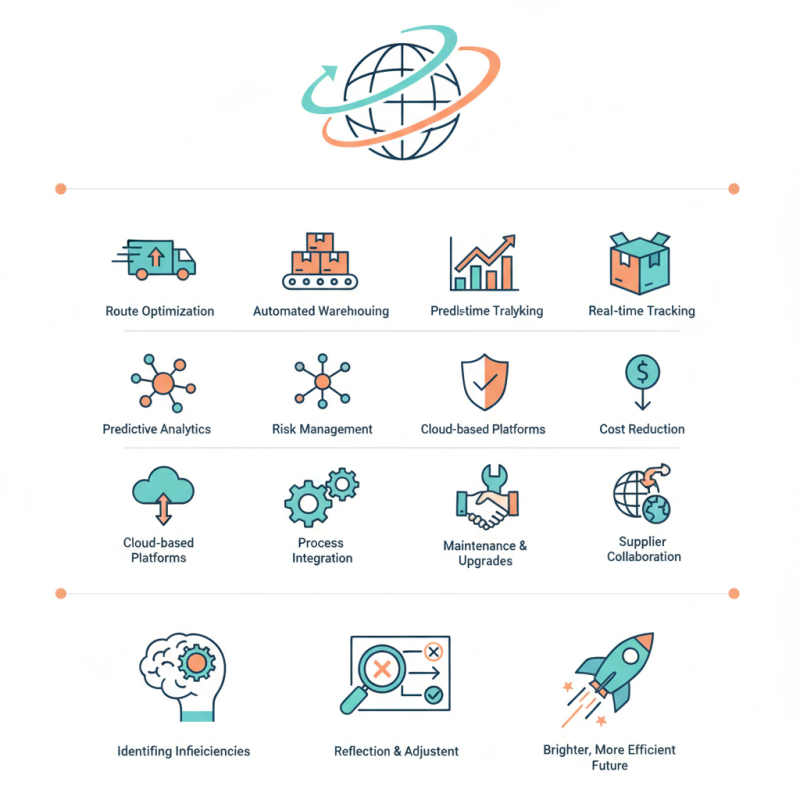
Ultimately, the effectiveness of transport CIP solutions depends on their implementation. Companies must address flaws within their logistics systems. Identifying inefficiencies is crucial. Without reflection and adjustment, progress will stall. Embracing transport CIP can lead to a brighter, more efficient shipping future, but only if done thoughtfully.
Top Trends in Transport CIP Solutions for 2023: A Data-Driven Overview
The transport industry is evolving rapidly. Data-driven approaches in CIP (Customer Information Portal) solutions are a crucial trend in 2023. Companies are leveraging data analytics to streamline their shipping processes, improve customer satisfaction, and enhance overall efficiency. Real-time tracking and predictive analytics play significant roles. They enable businesses to foresee potential delays and adjust their logistics accordingly.
Tip: Consider integrating automation in your shipping processes. This can reduce errors and save time. Use data to identify patterns in shipments. This can help predict peak times and allocate resources better.
Sustainability is also a growing trend. Companies are focusing on greener shipping options. This reflects consumer demand for eco-friendly practices. However, not all solutions are effective. Many might miss the mark on implementation, causing inefficiencies. Companies should assess the real impact of their changes.
Tip: Regularly review your transport strategies. Gather feedback to understand what's working and what's not. Adjust accordingly to improve your shipping efficiency.
Analyzing the Cost-Benefit Ratio of CIP Solutions in Shipping Logistics
When evaluating CIP (Carriage and Insurance Paid To) solutions, analyze the cost-benefit ratio carefully. A well-chosen CIP solution can streamline shipping logistics and significantly reduce risks. However, many businesses overlook hidden costs, which can eat into potential savings. Always ask yourself, “Is this the best option for my needs?”
Tips: Measure the total costs, not just the visible ones. Look at shipping delays and potential claims. These can have a substantial impact on overall costs.
Consider the insurance aspect as well. Coverage may vary widely, and some solutions might not provide adequate protection. A low upfront cost could lead to high out-of-pocket expenses later. Be mindful of coverage limits and exclusions.
Tips: Review policy terms diligently. Seek clarity on what is covered and what is not. This helps in making informed decisions.
It's crucial to balance cost with the level of service received. Some low-cost solutions may provide poor customer support. This can lead to frustration and lost time in the long run. Reflect on how much you value reliable support when making your choice.
Key Performance Indicators for Evaluating Transport CIP Effectiveness
When evaluating transport CIP effectiveness, key performance indicators (KPIs) play a crucial role. These metrics help in understanding shipping efficiency. One important KPI is on-time delivery rate. Companies often struggle with this. Late deliveries can damage customer relationships. It's vital to track this percentage closely.
Another critical element is cost per shipment. This figure shows how much each delivery costs the company. High costs can indicate inefficiencies in the shipping process. Companies may need to revisit their strategies. Tracking the average cost can reveal patterns or discrepancies.
Fuel efficiency is also an essential KPI. It affects overall operational costs. If transportation methods are not optimized, fuel consumption increases. This can lead to unnecessary expenditures. Businesses should regularly analyze this data. Regular assessments can point out areas for improvement, yet many still overlook this critical aspect. The goal is to create a more streamlined process for better results.
Innovative Technologies Driving Efficiency in Transport CIP Solutions
Transport CIP solutions are evolving rapidly. Innovative technologies are at the heart of this evolution. Businesses are leveraging automation, real-time tracking, and advanced analytics to streamline shipping processes. These technologies reduce delays and enhance the overall experience. Companies can avoid some common pitfalls by staying updated on trends.
Tips: Prioritize technology adoption. Assess the specific needs of your shipping operation. Invest in solutions that offer customizations. Streamlined API integration can make data exchange smooth.
The rise of AI is noteworthy. Machine learning algorithms analyze patterns in shipping routes. These insights help companies make informed decisions. However, not all implementations succeed. Some organizations face difficulties with data accuracy and system compatibility. It's essential to evaluate these factors before deploying new tech. Small adjustments can lead to significant improvements.
Technology alone is not the answer. Employee training is vital for effective utilization. Engaging staff in this transformation fosters a culture of innovation. When teams embrace change, efficiency naturally follows. Be open to feedback and adjust strategies accordingly. Continuous learning ensures that your transport solutions remain competitive.
Top 10 Transport CIP Solutions for Efficient Shipping
Case Studies: Success Stories of Leading Companies Using CIP Solutions
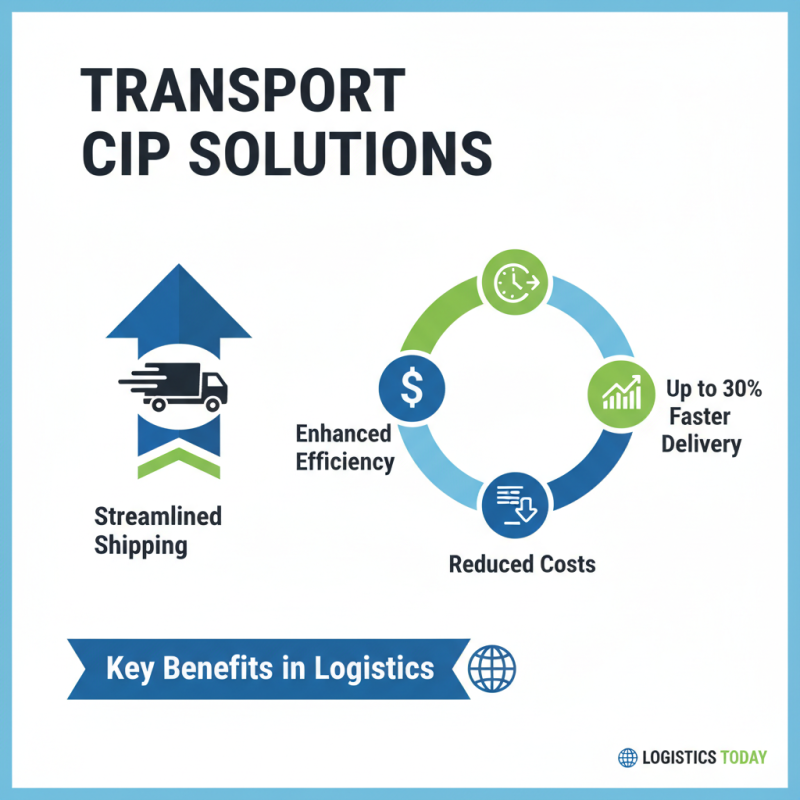
In the rapidly evolving logistics sector, many companies have turned to Transport CIP (Carrier Infrastructure Project) solutions. These strategies streamline the shipping process, enhancing efficiency and reducing costs. According to a recent industry report, companies adopting CIP solutions have seen up to a 30% improvement in delivery times.
One case study highlights a leading e-commerce firm that implemented a CIP strategy to optimize its supply chain. By leveraging real-time data analytics and advanced routing techniques, they reduced shipping expenses by 15%. However, challenges arose when integrating new systems. Data inconsistency led to temporary disruptions in service. This experience shows the importance of careful planning during implementation.
Another notable success comes from a global manufacturing giant. They utilized CIP solutions to automate their inventory management. The results were impressive. Their order accuracy improved to 99%, significantly enhancing customer satisfaction. Yet, they faced hurdles in employee training. Staff required extensive guidance to adapt to new technologies. This underlines the need for comprehensive training as companies transition to modern solutions.