What is Transport CIP and How Does It Impact Your Shipping Process
Transport CIP, or Carriage and Insurance Paid to, is a pivotal term in the shipping and logistics industry, significantly impacting how goods are transported internationally. It defines a transport agreement whereby the seller assumes responsibility for the costs and risks associated with delivering goods to a specified destination, including insurance coverage. Understanding transport CIP is essential for businesses engaged in cross-border trading, as it influences not only the shipping costs but also the allocation of risk between the seller and buyer.
The implications of transport CIP extend beyond just financial aspects; they redefine the logistics framework within which transactions occur. When utilizing transport CIP, companies must meticulously manage logistics, ensuring compliance with the necessary regulations, and securing appropriate insurance. This process demands a strategic approach to shipping operations, where knowledge of CIP terms can lead to more informed decision-making and enhanced operational efficiency. As global trade continues to evolve, mastering transport CIP becomes vital for businesses seeking to streamline their shipping processes while mitigating risks associated with international transportation.

What is Transport CIP and Its Definition
Transport CIP, or Carriage and Insurance Paid To, is an essential shipping term that defines the responsibilities of the seller and the buyer in international trade. Under CIP terms, the seller is responsible for delivering goods to a carrier at an agreed location, while also covering the cost of insurance to protect goods during transit. According to the International Chamber of Commerce, which releases annual reports on international trade practices, understanding CIP and its implications can significantly reduce the risks involved in shipping, particularly as global trade volumes continue to soar.
When we look at the broader impact of CIP on shipping processes, it's clear that it enhances the clarity of obligations between trading partners. By ensuring that insurance covers potential risks during transportation, businesses can minimize financial losses due to damage or loss of goods in transit. Statistics from the World Trade Organization indicate that 80% of global merchandise trade by value is carried by sea, making effective insurance and risk management vital to maintaining supply chain integrity. Thus, adopting CIP facilitates smoother transactions and fosters greater trust between buyers and sellers, ultimately influencing the efficiency and reliability of global shipping operations.
Key Elements of Transport CIP in Shipping
Transport CIP, or Carriage and Insurance Paid to, is a critical Incoterm that outlines the responsibilities of sellers and buyers in international shipping. One of the key elements of Transport CIP is the seller's obligation to arrange and pay for transportation and insurance to a specified destination. This means that the seller must cover the costs related to moving the goods and provide insurance that protects against loss or damage during transit. By doing so, the seller not only ensures the safe delivery of the goods but also transfers some of the risk to the insurance provider, enhancing overall security in the shipping process.
Another essential aspect of Transport CIP is the allocation of risk. While the seller is responsible for the carriage and insurance, the risk is transferred to the buyer once the goods are handed over to the carrier. This highlights the need for the buyer to closely assess the terms and conditions of the insurance provided, ensuring it meets their requirements for risk coverage. Moreover, understanding these responsibilities can significantly impact the efficiency of the shipping process, minimizing potential disputes over liability and costs. Properly managing these elements allows both parties to achieve smoother transactions and better coordination during the shipping process.
Impact of Transport CIP on Shipping Process
The Advantages of Using CIP for Your Shipping Needs
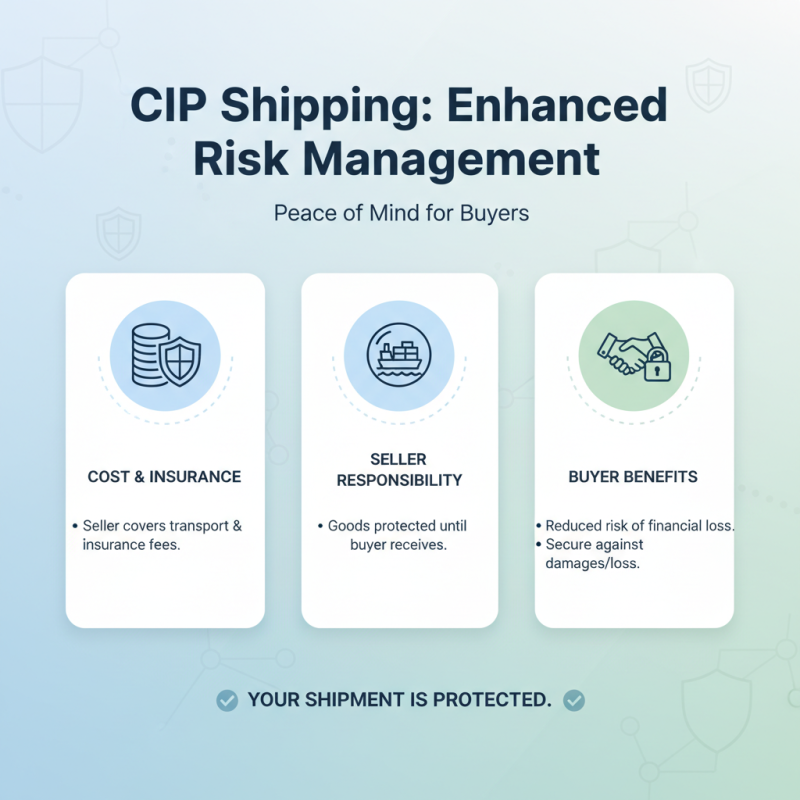
One of the key advantages of using Cost, Insurance, and Freight (CIP) in your shipping process is the level of risk management it provides. With CIP, the seller is responsible for the cost and insurance of the goods during transit, which means that the buyer can rest assured that their shipment is protected against potential damages or losses. This arrangement fosters a sense of security, as it mitigates the buyer's exposure to unforeseen complications that could arise during transportation.
Additionally, utilizing CIP can streamline the shipping process, saving time and resources for both parties involved. The seller arranges for insurance and freight, allowing the buyer to focus on other aspects of their business while minimizing the logistics burden. This can be especially beneficial in international shipping, where complexities often arise from customs regulations and international agreements. By simplifying these elements, CIP not only enhances efficiency but also promotes a smoother transaction overall, benefiting everyone along the supply chain.
How CIP Affects Risk and Responsibility in Shipping
In the shipping industry, understanding the nuances of transport contracts is crucial, particularly with terms like Carriage and Insurance Paid To (CIP). Under CIP terms, the seller bears the risk and responsibility for transporting goods to a specified destination, including procurement of insurance. This allocation of risk can significantly shape a shipping process, influencing both operational efficiency and cost-effectiveness. According to a report by the International Chamber of Commerce, about 30% of disputes in international trade arise from misunderstandings related to transport terms, highlighting the importance of clarity on risk distribution.
CIP not only shifts financial responsibilities but also affects the insurance coverage employed during transit. Sellers must secure insurance that meets the minimum coverage requirements, typically covering the cost of the goods plus additional expenses. The International Maritime Organization emphasizes that sound risk management practices, including adequate insurance, are essential to mitigate potential losses. Failure to understand these implications can lead to significant financial exposure, especially in volatile shipping environments where fluctuations in freight rates can be unpredictable. Thus, stakeholders must ensure comprehensive knowledge and adherence to CIP terms to optimize their shipping strategies and minimize vulnerabilities in their supply chain.
What is Transport CIP and How Does It Impact Your Shipping Process - How CIP Affects Risk and Responsibility in Shipping
| Dimension |
Description |
Impact on Shipping |
| Transport Mode |
Type of transport used (e.g., air, sea, road) |
Affects speed and cost of shipping |
| Insurance Coverage |
Extent of insurance protection during transit |
Determines financial risk in case of loss or damage |
| Custom Duties |
Taxes imposed on goods imported or exported |
Can increase overall shipping costs |
| Delivery Terms |
Conditions under which goods are delivered |
Defines responsibilities between buyer and seller |
| Risk Transfer |
Point at which risk passes from seller to buyer |
Affects liability in case of accidents |
| Packaging Standards |
Requirements for how goods should be packed |
Influences safety and protection during transit |
Best Practices for Implementing Transport CIP in Your Logistics
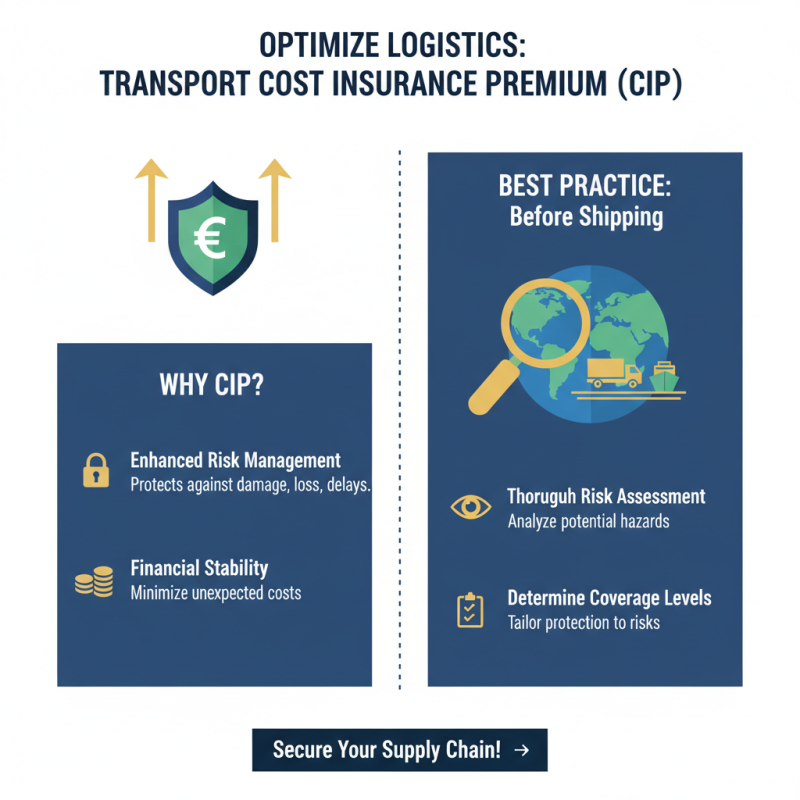
Implementing Transport Cost Insurance Premium (CIP) in your logistics process can significantly enhance risk management and financial stability. One of the best practices for effective implementation is to conduct a thorough risk assessment before shipping. This involves analyzing the potential hazards associated with transportation, such as damage, loss, or delays. By identifying these risks, you can determine appropriate coverage levels and ensure that you are adequately protected against unexpected scenarios that could disrupt your supply chain.
Another key practice is to collaborate closely with your transportation providers. Establish clear communication channels to ensure that all parties involved understand their roles and responsibilities regarding CIP. Moreover, it’s crucial to monitor shipment conditions and document any incidents meticulously. This not only aids in claims processing if a loss occurs but also helps in refining your logistics strategy over time. Regular training and workshops for your logistics team can further solidify the understanding and importance of Transport CIP, fostering a culture of proactive risk management in your shipping process.