Top Transport Innovations Shaping the Future of Intercity Travel?
The landscape of transport intercity travel is undergoing a remarkable transformation. Innovative technologies and concepts are driving this shift. These advancements not only aim to enhance efficiency but also focus on sustainability.
Imagine a future where autonomous vehicles populate our roads. These self-driving cars could revolutionize travel between cities. They promise reduced congestion and increased safety. Electric and hybrid models are becoming more common, lowering carbon emissions. Yet, not everyone embraces these changes. There are concerns about safety, regulation, and the potential loss of jobs.
High-speed rail networks are also emerging as a viable option. Countries are investing heavily in ultra-fast trains, connecting major cities in record time. However, the high costs and lengthy construction periods raise questions. Will these investments truly benefit the public? As technology evolves, so does our approach to travel. It is essential to reflect on both the positive impacts and the challenges that lie ahead in the realm of transport intercity travel.
Emerging Technologies in High-Speed Trains and Rail Systems
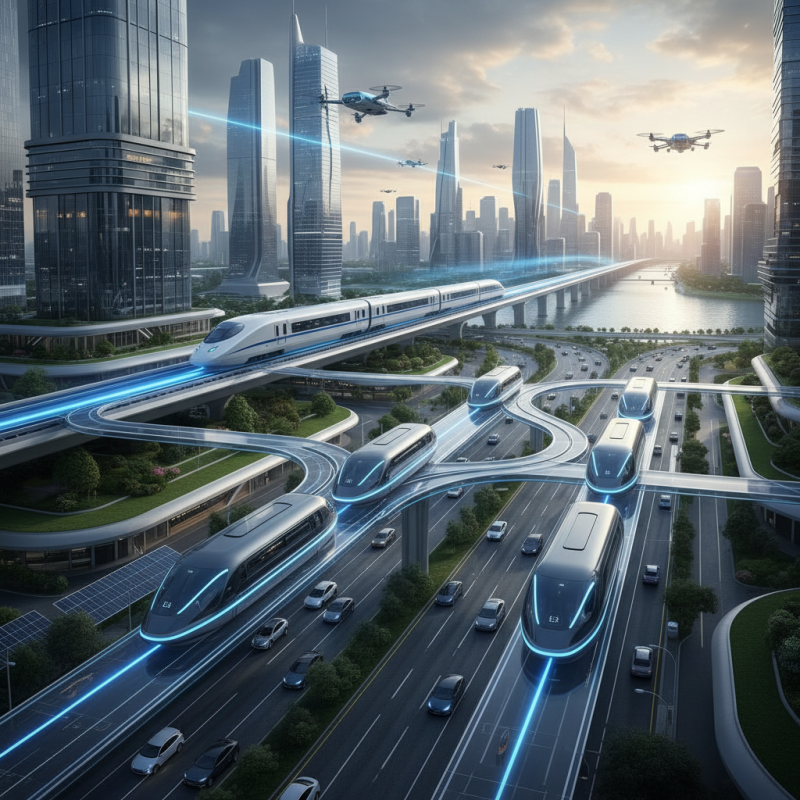
High-speed trains are transforming intercity travel. Emerging technologies in rail systems promise to enhance speed and efficiency. According to a recent report by the International Union of Railways, high-speed trains now travel at speeds exceeding 300 km/h (about 186 mph). Innovations like maglev technology and smart automation systems are pushing these limits even further.
These advancements have the potential to reduce travel times significantly. For instance, a journey that once took three hours could be cut down to just one hour. However, the implementation of such technologies is not without challenges. Infrastructure investment is often substantial, and cities must adapt their urban planning to accommodate new systems. Moreover, public acceptance varies across regions, affecting overall implementation.
Despite these hurdles, the push for greener travel options drives innovation. Rail systems can provide a lower carbon footprint compared to air travel. However, achieving this requires ongoing research and investment. Issues such as maintenance costs and technology integration remain key areas where improvement is necessary. Balancing efficiency and sustainability is crucial for the future of intercity travel.
The Rise of Autonomous Vehicles in Intercity Transportation
The rise of autonomous vehicles is revolutionizing intercity transportation.
These self-driving cars promise a new level of convenience and efficiency. Imagine boarding a vehicle
that plans your route, avoids traffic, and adjusts to road conditions. It’s like having a personal chauffeur
without the human touch. But, are we ready for this shift?
Safety concerns surround this technology. Autonomous vehicles rely heavily on sensors and algorithms.
Occasionally, they misinterpret situations. For example, unclear road signs or unexpected obstacles can
pose challenges. People worry about potential accidents. Trust remains a critical issue. Can we fully
rely on machines to make life-and-death decisions?
Moreover, integrating these vehicles into current traffic systems is complex. They must coexist with
traditional cars, cyclists, and pedestrians. Creating seamless interactions will require advanced
communication systems. Additionally, there are ethical dilemmas about decision-making in dangerous scenarios.
What should these vehicles prioritize to ensure safety?
As we explore this innovation, these questions must be addressed. The future of intercity travel may depend
on our ability to navigate these challenges wisely.
The Impact of Hyperloop Systems on Long-Distance Travel
The Hyperloop system is emerging as a revolutionary solution for long-distance travel. This technology promises to transport passengers at speeds exceeding 700 miles per hour. Currently, traditional rail and air travel take hours, while Hyperloop could cut this time drastically. According to recent studies, reducing travel time can significantly improve productivity and economic growth.
However, challenges remain. Infrastructure costs are high, and there are concerns about safety and feasibility. Reports suggest that project financing can reach billions. Some experts argue that without adequate investment, the Hyperloop may not become a reality soon. Moreover, public perception is mixed. Will people trust this new mode of transport?
Tips: When considering intercity travel options, think about time and cost. Look into the environmental impacts too. Hyperloop could offer a cleaner alternative. Stay informed about developments in transportation technology. The future of travel could be closer than expected.
Sustainable Aviation Innovations Transforming Air Travel
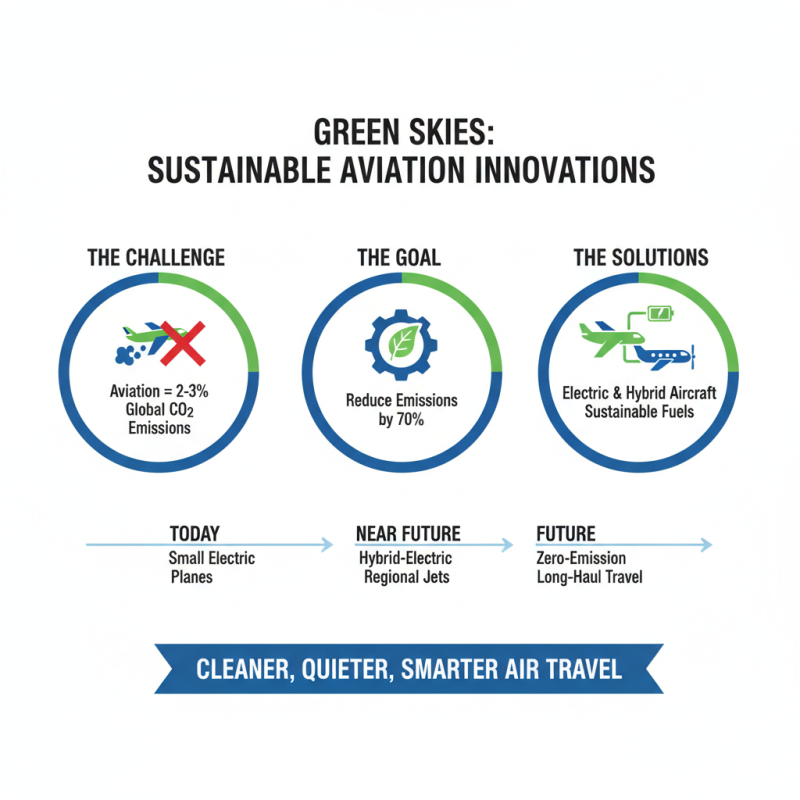
Innovations in sustainable aviation are transforming how we think about air travel. According to a recent report, the aviation sector contributes about 2-3% of global CO2 emissions. Therefore, there is a pressing need for more eco-friendly solutions. New technologies, such as electric and hybrid aircraft, are beginning to take flight. These innovations promise to reduce emissions by up to 70% compared to traditional aircraft.
One noteworthy development is the use of sustainable aviation fuel (SAF). SAF can lower lifecycle emissions by 80%, making it a game-changer. Recent studies suggest that by 2030, SAF could comprise 30% of aviation fuel. This would significantly decrease the carbon footprint of air travel. However, issues such as production capacity and cost still need addressing.
Tips: Consider alternatives to flying for short trips. Sustainable options are growing. Every bit helps combat climate change. While the future looks promising, we must remain aware of the challenges. Embracing innovation requires collaboration from all stakeholders. As the skies evolve, travelers should also reflect on their choices. Sustainability is not just a trend; it's a necessity.
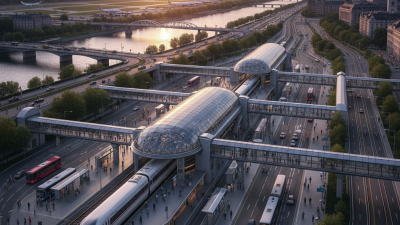
Integration of Smart Infrastructure for Enhanced Travel Efficiency
Smart infrastructure is at the core of transforming intercity travel. Recent reports suggest that optimizing transportation efficiency can save up to 30% in travel time. Advanced sensors and data analytics enhance traffic management. They allow real-time updates to route planning, which helps reduce congestion.
Moreover, innovative technologies such as autonomous vehicles and high-speed rail systems are gaining traction. A study from a leading transportation agency indicates that integrating smart infrastructure can increase the capacity of existing roadways by 50%. However, challenges remain. Issues like cyber-security threats pose risks to these technologies.
City planners are beginning to recognize the importance of this integration. Smart traffic lights and vehicle-to-infrastructure communication systems can improve safety and efficiency. Yet, some areas struggle to implement these advancements. Budget constraints and public acceptance are hurdles needing attention. As we venture further into the future of intercity travel, continuous evaluation and adaptation are essential.