How to Understand Logistic Transfer in Supply Chain Management?
In the world of supply chain management, understanding "logistic transfer" is crucial. Logistic transfer refers to the process of moving goods and information through various stages of the supply chain. According to a report by the Council of Supply Chain Management Professionals (CSCMP), efficient logistics can save companies up to 10% on operational costs. Experts emphasize that effective logistic transfer is not just about moving items; it involves strategic planning and execution.
John McPherson, a recognized expert in logistics, states, "Success in logistics hinges on timely transfer of goods and data." This highlights the need for precision in logistics. As companies grow globally, the complexity of logistic transfer increases. Understanding these intricacies can reveal potential weaknesses in operations. For instance, a breakdown in communication can delay shipments, leading to customer dissatisfaction.
While technologies assist in improving logistic transfer, human errors still occur. Disruptions can arise from various factors, including weather events and supply chain interruptions. Companies must continually assess their logistic strategies to enhance resilience and efficiency. In this dynamic landscape, the right approach to logistic transfer can dictate a company's success or failure in the market.

Understanding the Concept of Logistic Transfer in Supply Chain Management
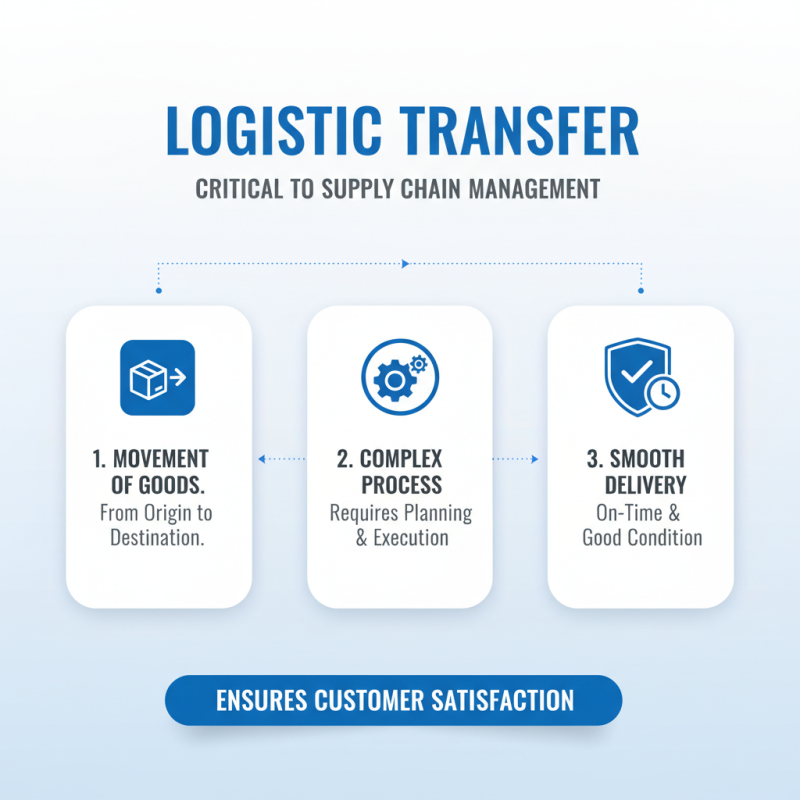
Logistic transfer is a critical component of supply chain management. It involves the movement of goods from one point to another. This process can be complex, requiring careful planning and execution. A smooth logistic transfer ensures that products reach customers on time and in good condition.
Understanding logistic transfer means recognizing the roles of different stakeholders. Suppliers, transporters, and warehouses all contribute. Each entity has unique challenges and limitations. For instance, delays can occur due to unforeseen circumstances. Traffic jams or bad weather might disrupt schedules. It’s essential to have contingency plans in place.
Moreover, technology plays a significant role. Many companies now use software to track shipments. However, this reliance on technology isn’t foolproof. Technical glitches can lead to misinformation. Teams need to communicate effectively and be adaptable. Reflecting on these challenges can lead to improved logistic transfer processes. Adapting to changes is key in this ever-evolving landscape.
The Role of Logistics in the Supply Chain Framework
Logistics serves as the backbone of the supply chain framework. It bridges the gap between production and end consumers. Effective logistics can reduce costs and improve service levels. According to the Council of Supply Chain Management Professionals (CSCMP), logistics costs accounted for approximately 8% of the U.S. GDP in 2020, highlighting its significant economic impact.
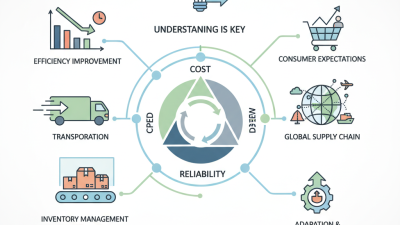
When assessing logistics, it's essential to focus on efficiency and reliability. Many companies report challenges with timely deliveries and inventory management. For instance, a recent report indicated that about 70% of businesses struggle to meet customer expectations on delivery times. This disconnect can lead to lost sales and customer dissatisfaction, emphasizing the need for continuous improvement. The logistics function must adapt to evolving supply chain demands while maintaining cost-effectiveness.
Technology plays a crucial role in transforming logistics. Automation and data analytics are becoming increasingly important. A study found that companies utilizing advanced analytics saw a 15% improvement in operational performance. However, the integration of new technologies comes with challenges. Companies must train staff and adjust processes, which can create friction. Balancing innovation with operational stability remains a key concern for many logistics managers.
Key Components of Logistic Transfer Processes
Logistic transfer processes play a critical role in supply chain management. They ensure that goods move seamlessly from one stage to another. Key components include transportation, warehousing, and inventory management. Each of these elements must be carefully planned and executed.
Transportation is the backbone of logistics. It involves the movement of products to various locations. Choosing the right mode of transportation can be challenging. Sometimes, delays occur due to traffic or weather conditions. These unexpected issues can disrupt the entire supply chain.
Warehousing offers a temporary home for products. Proper storage is vital to prevent damage and loss. However, managing warehouse space can be difficult. Overcrowding can lead to inefficiencies. Inventory management is equally crucial. It involves tracking stock levels to avoid shortages. Balancing supply and demand is not always straightforward. Inadequate planning can result in excess inventory. Each of these components contributes to the overall success of the logistics transfer process.
How to Understand Logistic Transfer in Supply Chain Management? - Key Components of Logistic Transfer Processes
| Component |
Description |
Importance |
Challenges |
| Transportation |
Movement of goods from one location to another. |
Critical for timely delivery and cost management. |
Traffic congestion, fuel costs, and vehicle maintenance. |
| Warehousing |
Storage of goods until they are needed. |
Affects inventory management and order fulfillment. |
Space constraints, inventory tracking issues. |
| Inventory Management |
Supervision of non-capitalized assets. |
Ensures optimal stock levels and minimizes costs. |
Demand forecasting errors and excess stock. |
| Order Processing |
Handling customer orders efficiently. |
Direct impact on customer satisfaction and retention. |
System integration and processing delays. |
| Customer Service |
Support and assistance for customers. |
Enhances loyalty and brand reputation. |
Handling complaints and service level expectations. |
Challenges in Implementing Logistic Transfers
Implementing logistic transfers in supply chain management presents several challenges. One significant issue is the lack of integration between systems. Many companies rely on outdated software that cannot communicate effectively. This disconnection leads to delays and mismanagement of inventory. According to a report by the Council of Supply Chain Management Professionals (CSCMP), 36% of companies cite inadequate technology as a primary challenge.
Another hurdle is managing transportation costs. Rising fuel prices and driver shortages complicate logistic transfers. Research shows that transportation costs can account for up to 10% of sales in some industries. Companies must adapt by optimizing routes and consolidating shipments. These strategies improve efficiency but require ongoing evaluation and adjustment.
Tip: Invest in modern technology for better system integration. Consider cloud-based solutions that allow real-time data sharing.
Communication gaps can also hinder successful implementation. Different teams may have conflicting priorities, leading to errors in execution. A survey indicated that 55% of supply chain professionals have faced coordination issues. Fostering collaboration among departments is vital.
Tip: Encourage regular meetings to align goals. This can help in addressing potential challenges early.
Strategies for Optimizing Logistic Transfer Efficiency
Logistic transfer efficiency is crucial in supply chain management. According to a recent study, optimizing logistics can reduce costs by up to 15%. This is significant for businesses striving to maximize profit margins. Implementing better routing systems can lead to shorter delivery times. Shorter routes mean less fuel consumption and lower emissions. This approach, however, requires constant monitoring and adjustment.
Utilizing advanced data analytics can enhance decision-making. Data shows that companies that embrace analytics experience a 10% increase in efficiency. Yet, many firms hesitate to adopt these technologies. There's often a fear of the unknown and potential costs involved. Some lack the training to interpret complex data sets effectively. Overcoming these challenges is essential for firms aiming to thrive.
Collaboration among different stakeholders is critical for optimizing logistics transfer. Sharing information can foster better relationships and streamline processes. However, many companies still operate in silos. This reluctance to collaborate can hinder progress. Reflecting on these barriers can provide insights into improving logistics efficiency. Addressing these issues is vital for creating a seamless supply chain.