What is Vibratory Feeding Equipment in China Explained?
In the increasingly competitive manufacturing landscape, "Vibratory Feeding Equipment China" has emerged as a key focus for businesses seeking efficiency. Dr. Li Wei, a respected expert in automated systems, notes, “The precision of vibratory feeding systems can significantly enhance production flow.” This statement underscores the importance of reliable feeding equipment in optimizing operations.
Vibratory feeding equipment serves a critical role in material handling. Its design allows for smooth and uniform distribution of products. This capability reduces the risk of material congestion and increases overall productivity. However, some manufacturers may underestimate the importance of thorough maintenance and proper calibration. Neglecting these factors can lead to inefficiencies and increased operational costs.
The industry in China is rapidly evolving, and expertise is crucial. Companies must stay informed about technological advancements and market trends. This ensures they remain competitive. By understanding the principles of vibratory feeding systems, organizations can make informed decisions. Over time, investing in quality vibratory feeding equipment can yield significant long-term benefits.
What is Vibratory Feeding Equipment?
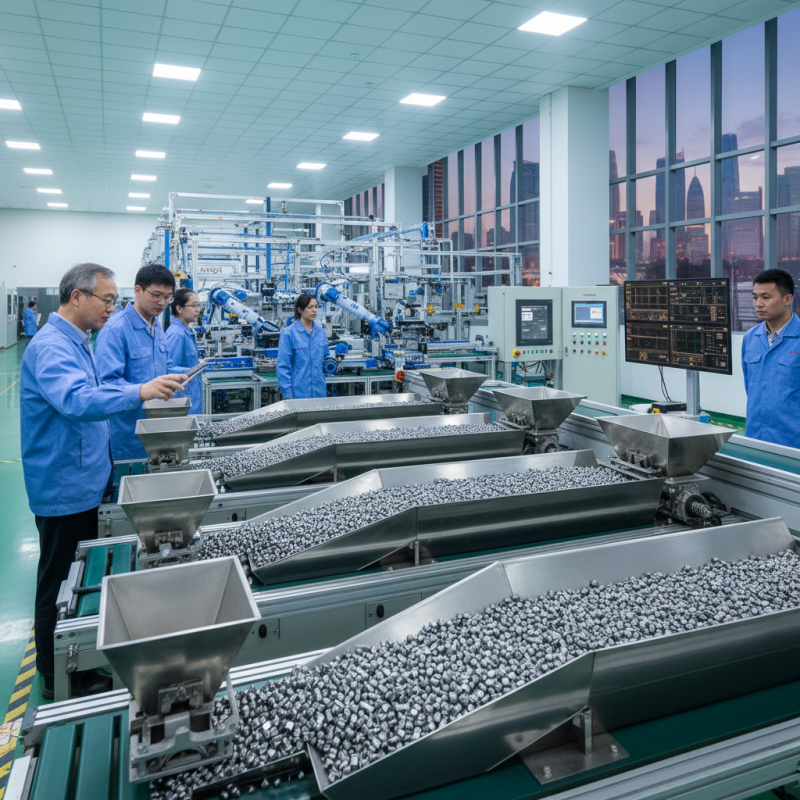
Vibratory feeding equipment plays a crucial role in various industrial settings. It is designed to handle bulk materials efficiently. This equipment helps control the flow of materials, enabling a smooth production process. Its applications range from manufacturing to food processing. According to industry reports, the global market for vibratory feeding equipment is expected to grow significantly, surpassing USD 2 billion by 2027.
These systems rely on vibration to move materials through hoppers and trays. The vibration frequency can be adjusted, ensuring optimal flow rates based on the material type. For instance, fine powders may require a different approach compared to larger granules. Each material presents unique challenges and requirements, leading to a need for tailored solutions. Surprisingly, many businesses overlook the impact of vibratory feeder design on overall efficiency.
In China, the vibratory feeding equipment sector is expanding rapidly. Increased automation in factories drives demand for these systems. Some reports suggest that automation can improve productivity by up to 30%. However, many companies struggle with integrating new technologies effectively. This gap indicates a crucial area for improvement. Investing in skilled personnel who understand how to optimize vibratory feeding systems is essential for future success.
Vibratory Feeding Equipment Usage in Different Industries
The Working Principle of Vibratory Feeders
Vibratory feeders are essential in various industries, especially in manufacturing and material handling. Their primary function is to feed materials into a production line in a controlled manner. The working principle of vibratory feeders revolves around the utilization of vibration, which is generated through electromagnetic or mechanical systems. This vibration helps move the materials smoothly along the feeding channel.
The design of vibratory feeders can vary significantly. Many consist of a trough that vibrates to create a wave-like movement. This motion facilitates a continuous flow of materials from a storage area to the next stage of processing. Interestingly, the vibration frequency and amplitude can be adjusted, allowing for customized feeding rates. This flexibility is crucial in ensuring that the desired amount of material is delivered according to the specific needs of the production process.
However, not all vibratory feeders operate perfectly under all conditions. Material type, feeder angle, and surface conditions can all affect performance. For instance, very fine or sticky materials may cause blockages, leading to production delays. This brings to light the need for regular maintenance and reassessment of operational parameters to ensure efficiency. Balancing speed and material properties can be a challenging yet vital aspect of optimizing vibratory feeding equipment.
Types of Vibratory Feeding Equipment Available in China
Vibratory feeding equipment is key in various industries, ensuring materials are moved efficiently. In China, several types of vibratory feeders are available, each serving specific needs. These feeders can be broadly categorized into bowl feeders, linear feeders, and hopper feeders.
Bowl feeders are often used for small parts. They sort and orient components effectively. This type relies on vibration to move materials.
Linear feeders, on the other hand, transport materials in a straight line. They provide precise control over the flow rate. Hopper feeders, typically larger, store bulk materials. They work well for high-capacity needs but can be challenging to manage.
Choosing the right equipment is crucial. The specific application, material type, and desired output should guide this decision. Sometimes, companies overlook the importance of feeder selection, leading to inefficiencies. A well-tailored vibratory feeding system can significantly enhance productivity. However, it is essential to continually assess and improve the system to maintain optimal performance.
Applications of Vibratory Feeding Equipment in Various Industries
Vibratory feeding equipment is essential in many industries. Its applications are broad, touching sectors like food processing, pharmaceuticals, and mining. This equipment efficiently moves materials, reducing handling times and minimizing contamination risks. According to a recent market analysis, the vibratory feeder market is projected to grow by 7% annually, reflecting its importance in industrial automation.
In the food industry, vibratory feeders help in transporting delicate items. They are crucial in ensuring that products like grains or snacks are evenly distributed. For pharmaceuticals, precision is vital. These systems provide accurate dosing, reducing waste and increasing efficiency. Reports show that companies using these feeders experienced a 15% reduction in production time.
Tips: When selecting vibratory feeding equipment, consider the material type and feeding rate. Proper maintenance is crucial to avoid unexpected breakdowns. Regular checks can enhance performance and extend equipment lifespan. Despite the advantages, some users report challenges in adjusting the feed rates. Reflecting on the setup and fine-tuning approaches can lead to better outcomes.
What is Vibratory Feeding Equipment in China Explained? - Applications of Vibratory Feeding Equipment in Various Industries
| Industry | Application | Benefits of Vibratory Feeders | Typical Materials Handled |
| Food Processing | Feeding granulated sugar, nuts, and spices | High efficiency and uniform flow | Sugar, Nuts, Spices |
| Pharmaceutical | Dispensing tablets and capsules | Precision in dosages and hygienic handling | Tablets, Capsules |
| Mining | Conveying ores and aggregates | Robust handling of heavy materials | Ores, Aggregates |
| Automotive | Feeding components for assembly lines | Increased production speed and reliability | Metal Components, Plastics |
| Electronics | Sorting SMD parts and electronic assemblies | Minimized damage to fragile components | SMD Parts, Circuit Boards |
Benefits of Using Vibratory Feeders in Production Lines
Vibratory feeding equipment is essential in modern production lines, especially in China. These feeders optimize material handling and improve efficiency significantly. By utilizing vibration, they ensure a consistent flow of materials to downstream processes. Industry reports indicate that businesses adopting vibratory feeders can boost productivity by up to 30%. Moreover, such systems reduce labor costs and minimize waste.
One key advantage is the versatility of vibratory feeders. They can handle various materials, from bulk powders to granular products. This adaptability supports diverse applications across industries like pharmaceuticals, food processing, and manufacturing. Reports show that efficient material handling can enhance production quality. However, the initial setup can be complex and may require ongoing adjustments to match varying operational needs.
Tip: Regular maintenance of vibratory feeders is crucial. Inspect the components frequently to prevent breakdowns and maintain workflow. Also, training staff on proper loading techniques can further enhance feeder performance. A well-informed team can better identify issues early, leading to efficient operations. Consider implementing a schedule for routine checks to ensure optimal functionality.
