7 Best Carrier Services for Global Buyers
Choosing among the 7 Best Carrier Services for Global Buyers requires more than comparing headline shipping prices. A reliable carrier must move goods safely, provide clear tracking, and handle routine customs documentation with care. Delivery promises also need context. A parcel from Shenzhen to Berlin faces different transit risks than one traveling from Los Angeles to Toronto.
Frederick W. Smith, FedEx founder, famously said, “The information about the package is just as important as the package itself.” That principle still matters. Buyers need useful scans, realistic delivery windows, and quick explanations when a shipment pauses at a border. Strong carriers services should also offer responsive support, transparent surcharges, flexible delivery options, and practical claims procedures. These details become visible when a box arrives with a damaged corner or misses a seasonal sales deadline.
This guide compares seven established options through a buyer-focused lens. It considers international coverage, tracking quality, delivery consistency, customer support, pricing clarity, and sustainability efforts. No carrier wins every route. That is worth admitting. A budget postal service may suit low-value parcels, while an express carrier may better serve urgent commercial orders. Service quality can also vary by destination, local partner, package size, and shipping volume.
Use this list as a starting point, not a final verdict. Check current quotes. Review destination-specific terms. Test support before committing. Small checks often prevent expensive surprises.
What Carrier Services Offer Global Buyers
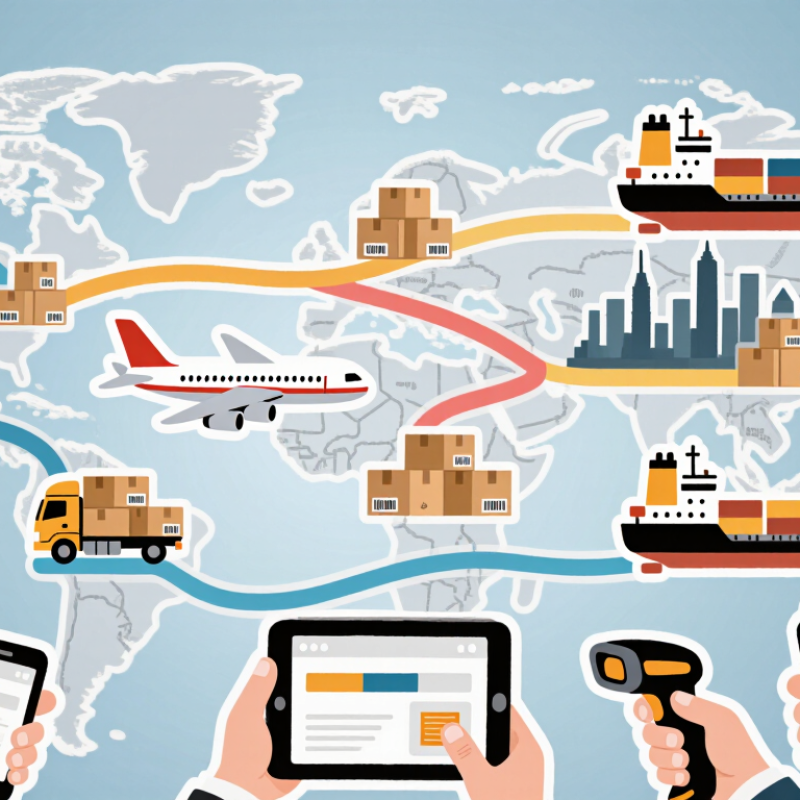
Carrier services give global buyers more than a delivery label. They provide transport options, customs support, tracking, and recovery plans when shipments face delays. Express services suit urgent parcels, while postal networks often reduce costs for lightweight orders. Freight forwarding works better for bulky purchases or repeated commercial shipments.
The World Bank’s 2023 Logistics Performance Index assessed 139 economies and highlighted major differences in customs speed, infrastructure, and delivery reliability. This matters at checkout. A low shipping price can lose value when tracking stops at a border. Strong carrier services offer milestone updates, estimated delivery windows, duty information, and clear handling procedures. Look for local delivery partners and return routes, too.
Security is equally practical.
International guidelines encourage accurate documentation, transparent pricing, and responsible screening. Buyers should check package limits, coverage terms, and claims procedures before payment. The United Nations Conference on Trade and Development reports that billions of consumers now shop online, increasing pressure on cross-border delivery systems. Yet data quality is not perfect, and service promises can be overly optimistic. A 2024 delivery estimate may still shift because of weather, inspections, or incomplete addresses. That uncertainty deserves honest communication. Small details matter: a scan at departure, a customs alert, and a photo-confirmed handoff can make a long-distance purchase feel manageable.
How to Evaluate International Carrier Services
7 Best Carrier Services for Global Buyers
How to Evaluate International Carrier Services
Choosing an international carrier requires more than comparing advertised prices. The World Bank’s 2023 Logistics Performance Index evaluates customs, infrastructure, shipment arrangements, logistics competence, tracking, and timeliness. These categories offer a practical checklist for global buyers. Ask for lane-specific delivery data, not broad network claims. A promised five-day service means little if delivery varies between four and twelve days.
Reliability deserves close attention. UNCTAD’s Review of Maritime Transport 2024 states that maritime shipping carries over 80% of global merchandise trade. Port congestion, weather, and schedule changes can still disrupt connected services. Review the carrier’s average transit time, delay frequency, scan intervals, and claims process. A useful test is simple: follow one sample shipment from warehouse pickup to final delivery. Missing scans are warning signs.
Costs need careful reading. Compare base rates, fuel adjustments, residential fees, dimensional weight, duties, and return handling. The cheapest quote may become expensive at checkout. It happens often. Confirm who manages customs documentation and how delivery exceptions are communicated. I would also request recent performance data for your destination countries, although some providers share incomplete figures. That limitation deserves attention. A carrier with slightly higher rates may reduce customer complaints through clearer tracking and steadier arrival times. Yet no service performs perfectly, so buyers should review results monthly and revise their carrier mix when evidence changes.
Seven Leading Carrier Services for Global Buyers
Seven Leading Carrier Services for Global Buyers
Global buyers need carrier services that match product value, delivery speed, and destination conditions. From practical shipping experience, no single option performs best on every route.
Express parcel delivery suits urgent samples, documents, and compact orders. Postal shipping often costs less, but tracking and delivery speed can vary.
Air freight handles larger shipments quickly, especially when inventory shortages affect sales.
Ocean freight remains useful for bulky goods and planned replenishment. It usually offers lower transport costs, although port delays can change arrival estimates. Rail freight can balance speed and price on selected continental routes.
Road transport supports regional distribution and flexible door-to-door movement.
Multimodal freight combines several methods, which may improve efficiency but adds handover points.
Local last-mile carriers complete delivery after international transport ends. Their service quality deserves careful checking.
Tips:
Compare total landed costs, not only the quoted freight charge. Check tracking coverage, insurance terms, customs support, and delivery exceptions. Ask for a written transit-time range. A perfect estimate is rarely realistic. Test a small shipment before committing to regular volume. Record damaged cartons, missed scans, and late handovers. These details reveal service weaknesses that sales materials may not mention. Keep product descriptions and invoices accurate. This supports smoother clearance and more dependable delivery.
Comparing Coverage, Speed, Cost, and Tracking
7 Best Carrier Services for Global Buyers
Global buyers usually compare seven service types: national postal networks, express parcel carriers, regional parcel operators, freight forwarders, air-cargo services, ocean freight, and hybrid fulfillment networks. Each solves a different problem. Express delivery can move a small order across borders in two to five days, but its price rises quickly with dimensional weight. Ocean freight costs less for cartons or pallets, though transit may take several weeks. Postal networks often reach remote addresses, yet scan updates can become less frequent after export.
Coverage is not the same as reliability. The World Bank’s 2023 Logistics Performance Index treats tracking and tracing as a core logistics measure, alongside customs and infrastructure. Buyers should check scan events at pickup, export, arrival, and final delivery. A parcel sitting in “in transit” for six days creates uncertainty, even when the shipment is moving normally. The Pitney Bowes Parcel Shipping Index reported more than 160 billion parcels worldwide in 2023, showing how heavily networks are being tested. Scale helps, but it does not guarantee a clean delivery experience.
Cost comparisons should include fuel adjustments, remote-area fees, duties, insurance, and address corrections. A low headline rate may become expensive at checkout. I have found that buyers often overvalue speed and undervalue predictable tracking. That judgment can fail. A two-day service with unclear handoffs may create more customer complaints than a five-day service with accurate scans. Test routes, packaging sizes, and return handling before choosing a long-term carrier mix.
How to Choose the Right Carrier for Each Shipment
7 Best Carrier Services for Global Buyers
Choosing the right carrier depends on the shipment, not just the destination. Postal networks can suit lightweight parcels with flexible delivery times. Express couriers work better for urgent, high-value orders that need detailed tracking. Air freight offers speed for larger cartons, while ocean freight usually reduces costs for heavy volumes. Rail freight can provide a practical balance on suitable land routes. Regional parcel specialists may understand local delivery patterns better. Freight forwarders can coordinate complex shipments across several transport methods.
I once selected a low-cost option for a time-sensitive order. The parcel arrived, but the delay affected the buyer’s production schedule. That mistake changed my evaluation process. I now compare transit estimates, dimensional weight, tracking quality, pickup schedules, destination coverage, and claims procedures. I also check whether the carrier handles residential delivery, remote-area surcharges, and delivery appointments. A strong service should provide clear status updates and realistic estimates, not impressive promises.
Tips: Match service speed to the item’s real urgency. Check packaging limits before booking. Request a full landed-cost estimate, including handling charges and duties. Test a small shipment first. Keep backup options for weather delays or capacity problems. Documentation still matters, and small errors can create large delays. Reliability is often less visible than price. That is why I review completed shipments, not only initial quotes.