Top 10 Logistics and Mobility Trends in China to Watch?
As the landscape of logistics and mobility evolves, keen insights from industry experts become invaluable. According to Dr. Henry Liu, a prominent figure in logistics and transportation, “Innovation in logistics and mobility is crucial for sustainable growth.” His perspective sheds light on the dynamic changes shaping China's logistics and mobility trends.
This sector is undergoing rapid transformation. Emerging technologies, urbanization, and changing consumer behaviors redefine operational frameworks. Sustainability and efficiency have become focal points. Companies must adapt quickly to maintain competitiveness in this fast-paced environment. A keen understanding of market expectations will empower businesses to thrive.
China presents a unique case study in logistics and mobility innovation. From autonomous vehicles to smart warehousing, the possibilities are vast. Yet, challenges remain. Regulatory frameworks can lag behind technological advancements. Tracking and analyzing these trends is essential for anyone involved in the industry. Exploring the top ten logistics and mobility trends in China provides a roadmap for future success and critical reflection on existing practices.
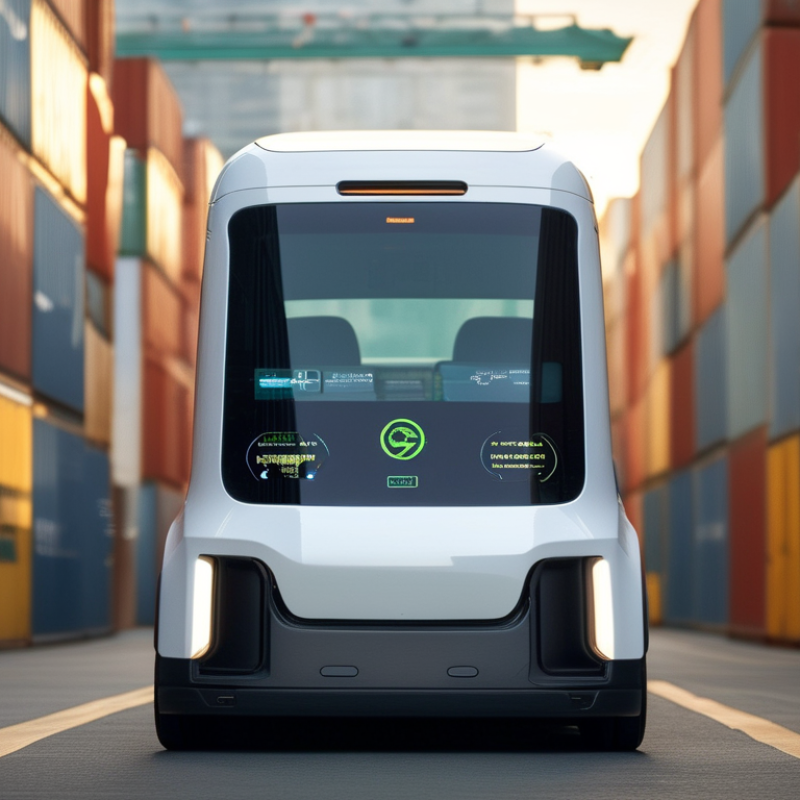
Emergence of Autonomous Delivery Vehicles in Urban Areas
The rise of autonomous delivery vehicles in urban areas represents a shift in logistics and mobility in China. These vehicles promise to reduce labor costs and enhance delivery efficiency. In densely populated cities, they will navigate through traffic, offering timely services. This innovation is not without challenges. Safety regulations and public acceptance remain significant hurdles.
Urban landscapes vary greatly. Autonomous vehicles must adapt to different street layouts and pedestrian behaviors. Some areas have limited infrastructure, which can hinder technology deployment. Urban planners need to consider these factors for a successful rollout. Experimentation in smaller neighborhoods could provide valuable insights. Pilot programs can help gauge public response and operational feasibility.
Consider these aspects when approaching autonomous deliveries. Understand local regulations thoroughly. Engage with communities to build trust and acceptance. Monitor how these vehicles are integrated into existing logistics systems. Feedback and data collection are crucial for ongoing improvements. This technology holds promise, but proper implementation requires careful strategizing and reflection.
Growth of E-commerce and Its Impact on Logistics Networks
The growth of e-commerce in China has fundamentally transformed logistics networks. The rise of online shopping has increased demands for faster and more efficient delivery services. Customers expect their orders to arrive at their doorsteps within hours. This expectation pressures logistics providers to streamline their operations and enhance their capabilities.
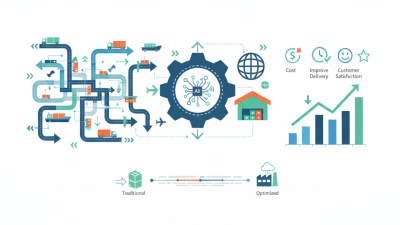
To meet these escalating demands, companies are investing in advanced technologies. Automation, artificial intelligence, and real-time tracking systems are becoming the norm. These innovations can optimize delivery routes and manage inventory more effectively. However, despite these advancements, challenges remain. Not all regions in China are equally equipped to handle e-commerce growth. Rural areas often struggle with infrastructure and service speed.
Moreover, as logistics networks expand, sustainability concerns are surfacing. The increased volume of deliveries leads to higher carbon emissions. Companies must find a balance between rapid service and environmental responsibility. Adapting to these complexities demands continual improvement and reflection within the logistics sector. The interplay between e-commerce growth and logistics is dynamic, necessitating ongoing evaluation and adaptation.
Advancements in Smart Supply Chain Technologies
China's logistics landscape is rapidly evolving. Smart supply chain technologies are at the forefront of this change. These advancements leverage data analytics, IoT, and AI to enhance efficiency. Real-time tracking is becoming commonplace. Companies can now monitor inventory levels with precision. This transparency allows for quick responses to supply chain disruptions.
However, the integration of smart technologies is not without challenges. Many companies struggle with data security. The vast amounts of information collected can be vulnerable to cyber attacks. Additionally, there is a learning curve for employees. Workforce training is essential to maximize the benefits of new tools. Companies must consider the cost of implementation versus the potential gains in efficiency.
As the trend toward automation continues, it raises questions. Is full automation sustainable? What happens to jobs? This balance between human oversight and automated systems is crucial. Stakeholders need to reflect on the long-term impacts of these technologies on the workforce and society. While innovations in smart supply chains present opportunities, they also pose significant challenges that warrant careful consideration.
Integration of Green Logistics Practices in Urban Mobility
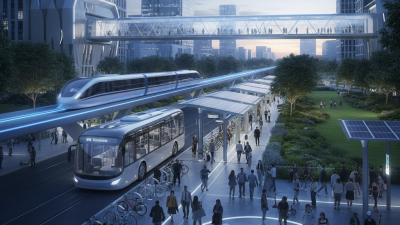
The integration of green logistics practices in urban mobility is transforming Chinese cities. As urban populations grow, the demand for efficient and environmentally-friendly transportation solutions escalates. Cities are now prioritizing initiatives that reduce emissions and promote sustainability.
Electric vehicles are becoming more common in urban settings. They emit fewer pollutants and are a step toward cleaner air. However, the charging infrastructure needs expansion. Many urban areas still lack sufficient numbers of charging stations. This can hinder the growth of electric vehicle usage.
Public transportation systems are also adapting. Buses powered by renewable energy sources are being introduced. These serve both to reduce congestion and lower environmental impact. Yet, the transition has not been smooth. Many commuters remain hesitant about switching from personal vehicles to public transport. Continued efforts are needed to encourage this shift. Balancing efficiency and sustainability remains a challenge, but it is essential for the future of urban mobility.
Rise of Last-Mile Delivery Solutions Driven by Consumer Demand
The last-mile delivery sector in China is experiencing rapid expansion, largely fueled by escalating consumer expectations. According to a report by the China Logistics and Purchasing Federation, last-mile delivery accounts for up to 30% of a company's logistics costs. This highlights the challenge of balancing efficiency with consumer satisfaction. Reports suggest that over 70% of Chinese consumers anticipate same-day delivery options, altering logistical frameworks significantly.
The increase in e-commerce has amplified this demand. In 2022, online retail sales in China surpassed $2 trillion, a striking 14% growth from the previous year. This surge creates pressure to meet delivery expectations. However, building a robust last-mile network is not without its hurdles. Challenges include traffic congestion, labor shortages, and variable urban infrastructure. Companies must navigate these complexities to enhance service reliability.
Innovative solutions are also emerging to address these issues. Robotics and AI technology are gaining traction for efficient route optimization and package handling. However, integrating these technologies remains a work in progress. Many companies face obstacles in scalability and real-time implementation. As the industry evolves, the focus will be on striking a balance between speed, cost, and sustainability.