What is the Importance of Transport Services for Global Buyers?
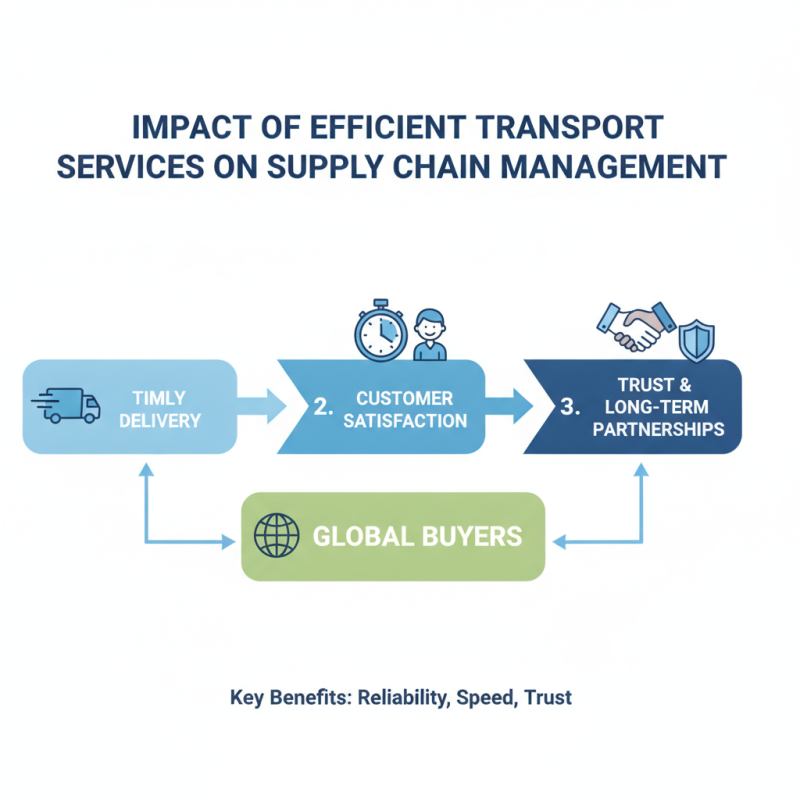
Transport services play a vital role in the dynamics of global trade. Efficient logistics enable buyers to access markets swiftly and reliably. According to a report by the International Transport Forum, improvements in transport efficiency could boost global GDP by up to 1.3%. This figure highlights the substantial impact transport services have on economic growth.
Expert in global logistics, Dr. Jane Thompson, emphasizes, "Efficient transport services are the backbone of international trade." Her insights reflect the industry's understanding of how essential these services are. Global buyers rely on seamless transportation to manage costs and maintain supply chain integrity.
However, challenges persist in this sector. Issues like congestion, regulatory hurdles, and environmental concerns can impact service reliability. The need for innovative solutions is pressing. As global buyers navigate these complexities, understanding the nuances about transport services becomes crucial for success. The industry must adapt and strive for improvement to keep pace with evolving demands.

Understanding the Role of Transport Services in Global Trade Dynamics
Transport services play a critical role in global trade dynamics. Efficient transportation connects suppliers and consumers worldwide. It influences the speed and cost of trading products. According to the World Bank, logistics costs can account for 6-10% of a country’s GDP. This statistic highlights the significant impact of transport on economic performance.
Moreover, transport delays can disrupt supply chains. For instance, the COVID-19 pandemic exposed vulnerabilities in global logistics. Many industries faced shortages and increased costs due to shipping bottlenecks. A report by McKinsey indicates that transportation delays can increase costs by up to 20%. Companies must therefore assess their supply chains regularly. Optimizing transportation services is crucial for reducing risks and enhancing efficiency.
Technological advancements are reshaping transport services. Innovations like blockchain and AI improve transparency and reliability. Trust in transport can reduce delays and enhance inventory management. However, the implementation of new technologies poses challenges. Businesses need to invest in training and systems to leverage these developments effectively. The future of transport services will require continuous adaptation and improvement.
Key Factors Influencing Transport Choices for Global Buyers
Transport services play a crucial role in global supply chains. For buyers, the choice of transport mode can significantly impact costs and delivery times. According to a report by the International Transport Forum, over 70% of global trade relies on maritime transport. Shipping remains a cost-effective option for bulk goods, despite its slower transit times.
Speed is another key factor influencing transport choices. Air freight, while more expensive, offers expedited shipping. The demand for quicker delivery has risen by 30% in recent years, as buyers seek to meet customer expectations. An increasing number of companies are prioritizing air logistics to enhance responsiveness, even if it raises shipping costs.
Additionally, reliability cannot be overlooked. On-time performance is essential for maintaining supply chain integrity. A study indicated that delays in transport can lead to a 15% increase in operational costs. Buyers often face challenges in balancing cost, speed, and reliability. They must assess their specific needs, including customer demand and inventory management strategies, to make informed transport decisions.
Importance of Transport Services for Global Buyers
This chart illustrates the key factors that global buyers consider when selecting transport services. Each factor is rated on a scale from 0 to 100, indicating its importance in decision-making.
Challenges Faced by Global Buyers in Transport Logistics
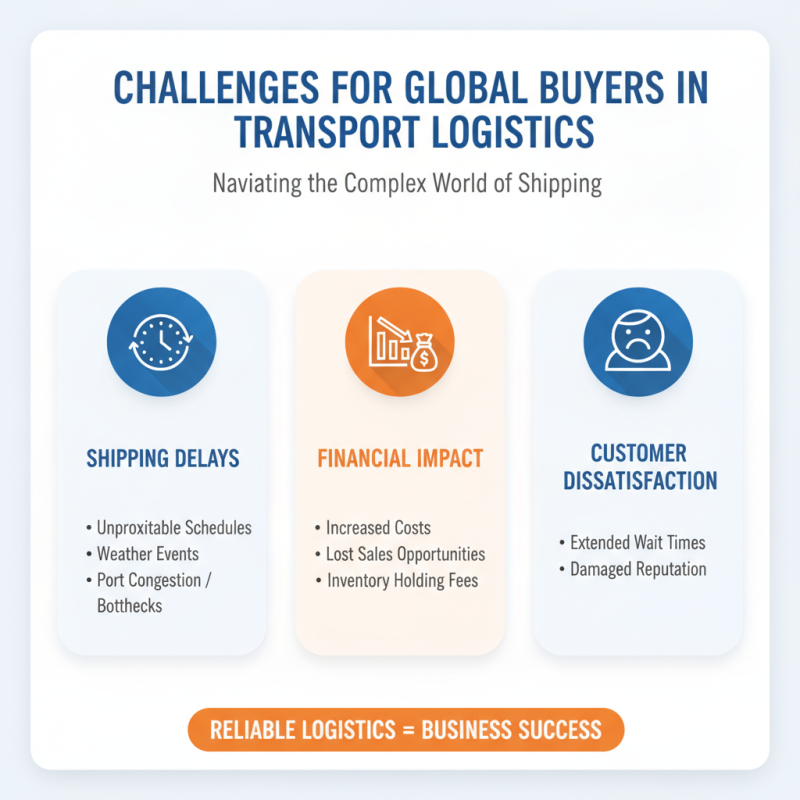
Transport logistics is a critical aspect for global buyers. Yet, these buyers face several challenges in this complex landscape. Delays in shipping often cause significant disruption. Weather events, port congestion, and logistical bottlenecks can extend delivery times unpredictably. When a shipment is late, it can lead to lost sales opportunities and disappointed customers.
Communication gaps with logistics providers can complicate matters further. Buyers may struggle to obtain real-time updates on their shipments. This lack of transparency can foster uncertainty. Additionally, inconsistent service quality from transport providers raises concerns about reliability. Different regions may have varying standards, leaving buyers to navigate these complexities alone.
Managing costs also poses a challenge for global buyers. Fluctuating transport fees complicate budgeting. Hidden charges often catch buyers off guard. Understanding these costs requires expertise that not all buyers possess. Therefore, continuous learning and adaptation are crucial for navigating the intricacies of transport logistics effectively.
Future Trends in Transport Services for a Global Marketplace
In the evolving landscape of global trade, transport services are central to success. Future trends indicate that efficiency and reliability will dominate the market. Reports from the International Transport Forum suggest that logistics costs can represent up to 30% of product prices. This highlights the need for innovation in transport methods. Companies are now exploring sustainable options, such as electric vehicles and optimized shipping routes.
As digitalization takes hold, technologies like Blockchain and IoT will reshape transport services. These tools streamline tracking and improve transparency. According to a recent McKinsey report, companies that embrace digital logistics can reduce delivery times by 20-30%. However, there are challenges. Cybersecurity threats pose risks to sensitive supply chain data. Effectively managing these threats is essential for maintaining trust.
Future buyers will favor companies that prioritize eco-friendly practices. A survey found that 70% of consumers are willing to pay more for sustainable shipping options. Yet, not all companies are prepared for this shift. Many struggle with adapting to new technologies and meeting changing customer expectations. Understanding these trends can help businesses remain competitive in an increasingly complex global marketplace.