Top 10 Freight Types for Global Buyers The Freight Group

Global buying depends on more than price. Freight type influences handling, insurance, packaging, transit time, and delivery risk. The Freight Group’s guide to the top ten freight types helps buyers compare practical shipping options before committing to suppliers or routes.

“Reliable freight decisions begin with understanding the cargo, not simply choosing the cheapest rate,” says [verified The Freight Group expert name]. This insight reflects a common purchasing mistake. Buyers often focus on invoices while overlooking pallet dimensions, temperature needs, port access, or final-mile delivery. A low ocean rate can become expensive when cartons require special handling.

This overview examines common freight categories, including containerized cargo, breakbulk shipments, refrigerated goods, oversized equipment, and air freight. Each type creates different planning demands. A steel machine may need reinforced packing and lifting points. Fresh produce may require continuous temperature monitoring. Small electronics may benefit from air transport, despite its higher cost.

Experience matters here. Routes change. Capacity tightens. Weather interrupts schedules. Even careful plans can need revision. That is uncomfortable, but realistic.

The freight group approach encourages global buyers to assess cargo characteristics before selecting a transport method. It also supports clearer conversations with forwarders, carriers, warehouses, and suppliers. Readers should verify current rates, service conditions, and compliance requirements before shipping. This guide offers a practical starting point, not a perfect prediction.

Top 10 Freight Types for Global Buyers The Freight Group

What Freight Types Are and Why Global Buyers Use Them

Freight types describe how goods move from a supplier to a global buyer. They include ocean containers, air freight, rail, road transport, consolidated cargo, refrigerated freight, and oversized shipments. Each type has different limits for speed, capacity, handling, and cost. The right choice depends on the product, destination, delivery deadline, and available transport routes.

Ocean freight suits heavy cargo and planned inventory replenishment. Air freight helps when medical equipment, samples, or seasonal goods must arrive quickly. Rail can provide a practical balance between speed and cost across long land routes.

Road transport often connects ports, warehouses, and final delivery points. Some cargo needs special temperature control. Others need careful loading because of unusual dimensions.

The freight type also affects risk management. A buyer should check transit records, cargo measurements, insurance terms, customs documents, and delivery conditions. Small errors matter. A few incorrect centimeters can create extra handling charges or delays.

In shipment reviews, I have seen buyers choose the cheapest method without checking storage costs at the destination. That decision looked efficient, but it was not.

My own working rule is to compare total landed cost, not only the transport quote.

Weather, port congestion, fuel changes, and incomplete paperwork can still disrupt a well-planned shipment. No freight type is perfect. Teams should review performance after delivery and adjust their next shipping plan.

How Air, Sea, Road, and Rail Freight Differ

Global buyers often compare freight by price alone. That is a costly habit. According to UNCTAD’s Review of Maritime Transport 2024, ships carry over 80% of global merchandise trade by volume. Sea freight suits containers, machinery, and high-volume orders. It offers the lowest unit cost, but port handling and sailing schedules add time. A delayed vessel can leave cartons waiting under a humid warehouse roof.

Air freight moves the fastest. It fits urgent components, samples, and compact, high-value goods. IATA reported about 58 million tonnes of air cargo moved globally in 2023. However, aircraft space is expensive, and charges often depend on volumetric weight. One oversized carton may cost more than expected. Buyers should measure its external dimensions, not only its scale weight.

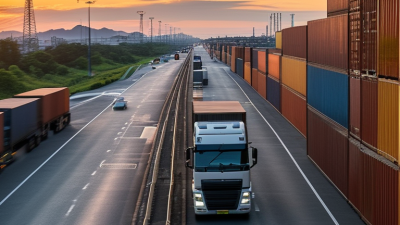
Road freight provides flexible pickup and delivery, especially for regional trade. It supports door-to-door service and smaller shipments. Yet fuel costs, border queues, and driver availability can change delivery windows. Rail freight usually sits between sea and air in speed and cost. It can handle heavy loads across long land routes with lower emissions than road transport. The International Transport Forum reports that rail generally produces fewer transport emissions per tonne-kilometre than trucks, though electricity sources and route conditions matter. In practice, mixed transport is often wiser than loyalty to one mode. I still see planning errors when buyers choose rail for speed without checking terminal transfers. Pretty, but incomplete.

When to Choose Container, Bulk, Breakbulk, or Ro-Ro Freight

For global buyers, freight choice begins with cargo behavior, not price alone. UNCTAD’s Review of Maritime Transport 2023 states that over 80% of world merchandise trade by volume moves by sea. Containers suit packaged goods, electronics, textiles, and mixed pallets. They offer predictable handling and stronger protection from rain, dust, and theft. A standard 40-foot container may still be wrong for oversized machinery. Measure every crate twice.

Bulk freight works for unpackaged commodities such as grain, coal, ore, and liquid cargo. It usually reduces packaging and handling costs, but moisture, contamination, and loading accuracy require strict controls. The International Maritime Organization’s bulk cargo guidance highlights risks involving cargo liquefaction and unsafe weight distribution. Buyers should request moisture certificates, cargo specifications, and an independently verified loading plan. Small errors can become expensive delays.

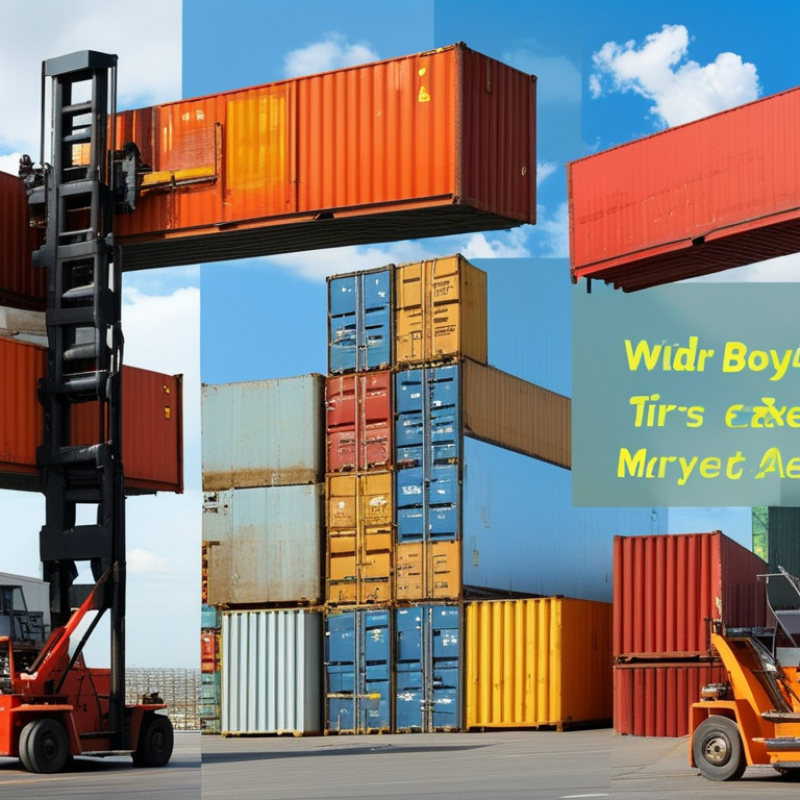
Breakbulk is useful for steel coils, timber, project equipment, and cargo that cannot fit economically into containers. It offers flexibility, yet exposed cargo may face weather damage during port operations. Ro-Ro freight suits vehicles, trailers, agricultural machines, and wheeled construction equipment. Loading is faster because cargo drives onto the vessel, but fuel levels, battery safety, dimensions, and securing points need careful checks. The World Bank’s Logistics Performance Index 2023 emphasizes the value of reliable tracking and timely logistics services. In practice, a cheaper sailing may fail if port access, inland haulage, or special lifting equipment is unavailable.

Top 10 Freight Types for Global Buyers: When to Choose Container, Bulk, Breakbulk, or Ro-Ro Freight

Rank Freight Type Typical Cargo Common Loading Unit or Capacity Best Use Case Typical Transit Profile Handling and Documentation Needs Main Advantages Key Limitations
1 Full Container Load (FCL) Cartons, machinery, furniture, manufactured goods, packaged commodities, and retail products. Usually one dedicated 20-foot or 40-foot container; high-cube containers provide additional internal height. Choose when one buyer can efficiently use most of a container or requires lower cargo-handling exposure. Ocean transit commonly ranges from about 15 to 45 days, depending on the trade lane, transshipment, and port congestion. Commercial invoice, packing list, transport document, verified gross mass, customs declarations, and container sealing. Lower handling risk, predictable unitization, broad port coverage, and competitive cost for larger shipments. Requires sufficient cargo volume; container availability, port congestion, and demurrage can affect total cost.
2 Less-than-Container Load (LCL) Small batches, samples, spare parts, seasonal inventory, and mixed cartons from several suppliers. Usually charged by volume or weight, often using palletized or crated cargo consolidated into a shared container. Choose when cargo is below the practical volume threshold for a dedicated container. Often 20 to 50 days by sea because consolidation, deconsolidation, and warehouse transfers add time. Accurate measurements, package counts, cargo descriptions, pallet details, and careful marking are essential. Useful for smaller purchase orders and reduces the need to wait until a full container is available. More handling points, higher damage exposure, minimum warehouse charges, and potentially less predictable delivery.
3 Dry Bulk Freight Grain, coal, ores, minerals, cement, fertilizer, salt, and other unpackaged dry commodities. Dedicated bulk vessels, barges, rail wagons, or specialized hoppers; vessel lots can range from several thousand to well over 100,000 tonnes. Choose for large, homogeneous cargo flows that do not require individual packages or container protection. Ocean transit is commonly measured in weeks; loading and discharge depend heavily on terminal capacity and weather. Bulk weight certificates, quality and inspection records, moisture information, cargo safety declarations, and draft surveys may be required. Low unit cost at scale, efficient loading, and high volume capacity. Limited cargo protection, dust and contamination risks, terminal dependency, and exposure to commodity price volatility.
4 Liquid Bulk Freight Crude and refined oils, chemicals, edible oils, molasses, liquid fertilizers, and other pumpable liquids. Tank containers, road tankers, rail tank cars, barges, or liquid bulk vessels; tank containers commonly carry around 20,000–26,000 litres. Choose when the product is liquid, compatible with tank equipment, and shipped in quantities that justify specialized handling. Transit varies by mode; terminal scheduling, tank cleaning, heating, and pump operations can materially affect lead time. Safety data sheets, product classification, tank specifications, temperature requirements, seals, and regulatory declarations. Efficient for large liquid volumes and can reduce packaging, filling, and disposal requirements. Strict compatibility and safety controls; leakage, contamination, temperature, and regulatory risks must be managed.
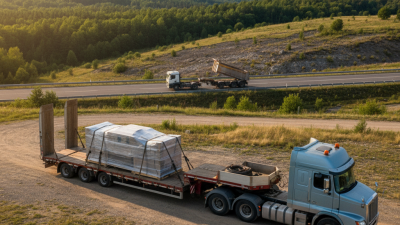
5 Breakbulk Freight Steel coils, timber, bagged goods, crates, pipes, construction materials, and machinery that cannot be containerized efficiently. Individually handled pieces, bundles, pallets, crates, or liftable units; dimensions and weights vary widely. Choose when cargo is oversized, unusually shaped, too heavy, or unsuitable for standard containers. Usually several weeks by sea, with schedules influenced by cargo availability, port gear, and multi-port calls. Detailed cargo dimensions, lifting points, center of gravity, lashing plans, packing certificates, and special handling instructions. Flexible for non-standard cargo and can serve ports without extensive container infrastructure. More manual handling, higher damage exposure, weather sensitivity, and potentially higher port and handling charges.
6 Roll-on/Roll-off (Ro-Ro) Cars, trucks, buses, trailers, agricultural equipment, construction machinery, and wheeled project cargo. Cargo is driven or towed onto the vessel; non-running equipment may use mafi trailers, cradles, or specialized supports. Choose when goods are self-propelled or can be safely moved on wheels without dismantling. Ocean transit commonly ranges from about 15 to 45 days, depending on route frequency and port calls. Vehicle identification, dimensions, weights, operating condition, lashing requirements, and dangerous-goods information where applicable. Fast vehicle loading, reduced crane use, and efficient handling of mobile or wheeled cargo. Limited to suitable vessel routes and cargo profiles; exposed equipment may require special protection and securing.
7 Refrigerated Container Freight Fresh and frozen food, pharmaceuticals, flowers, dairy products, seafood, meat, and temperature-sensitive chemicals. Temperature-controlled 20-foot or 40-foot containers with active refrigeration and recorded temperature settings. Choose when cargo must remain within a controlled temperature range throughout transport. Transit is often 15 to 45 days by sea; additional time may be required for pre-cooling, inspections, and plug-in storage. Temperature range, set-point instructions, product shelf life, health certificates, phytosanitary documents, and continuous monitoring. Protects sensitive cargo over long distances and supports global distribution of perishable products. Higher energy, handling, and storage costs; power interruptions or incorrect settings can cause major losses.
8 Air Freight Urgent components, high-value electronics, medical supplies, samples, fashion goods, and perishable products. Aircraft pallets, containers, loose packages, or unit load devices; chargeable weight is based on actual or volumetric weight, whichever is greater. Choose when speed, security, or product value is more important than minimizing transport cost. Flight time may be one to three days, while door-to-door delivery commonly takes about two to seven days. Air waybill, commercial invoice, packing list, export declarations, security screening, and dangerous-goods documentation when applicable. Fastest mainstream international freight option, frequent schedules, and strong shipment visibility. Highest cost per kilogram, strict size and commodity restrictions, and greater sensitivity to fuel and capacity changes.
9 Rail Freight Containers, automotive parts, machinery, metals, chemicals, agricultural products, and e-commerce cargo. Intermodal containers, tank containers, flatcars, covered wagons, or specialized rail equipment. Choose for inland or cross-border corridors where rail offers a balance between ocean cost and air-freight speed. Regional and international transit commonly ranges from several days to a few weeks, depending on borders and network conditions. Rail consignment note, customs documents, container details, cargo weight, route permits, and dangerous-goods paperwork where required. Generally lower emissions than road transport, reliable for long inland distances, and suitable for heavy cargo. Dependent on rail infrastructure, terminal transfers, gauge changes, border procedures, and fixed routes.
10 Project and Heavy-Lift Freight Power-generation equipment, industrial modules, turbines, transformers, large vessels, structural assemblies, and oversized machinery. Heavy-lift vessels, flat racks, open-top containers, deck cargo, modular trailers, or custom lifting frames. Choose for cargo exceeding standard container dimensions or weight limits and requiring engineered transport planning. Lead time may range from several weeks to many months because surveys, permits, route studies, and specialized equipment are involved. Engineering drawings, exact dimensions, center-of-gravity data, lifting plans, route surveys, permits, insurance, and securing calculations. Handles exceptional cargo that standard freight services cannot accommodate and supports complex industrial projects. High planning and handling costs, limited port options, extensive permitting, and significant schedule coordination.

Note: Transit times and capacities are typical planning ranges. Actual performance depends on origin, destination, season, cargo characteristics, port operations, customs procedures, and selected transport route.

How Special Cargo Freight Handles Temperature and Safety Needs

Special cargo freight demands more than moving a shipment from one port to another. Temperature, handling, and timing can determine whether goods arrive usable. Perishable food, laboratory samples, pharmaceuticals, and sensitive equipment each require a different transport plan. A qualified freight team reviews product limits, packaging strength, route duration, and transfer points before booking.

Temperature control starts with clear data.

The shipper should provide an acceptable range, such as 2–8°C, and identify exposure limits. Insulated containers, gel packs, dry ice, or active cooling units may be selected accordingly. Data loggers record conditions throughout the journey. They provide evidence when a shipment faces delay or unexpected heat. Still, a sensor cannot fix poor packing.

Safety procedures must cover lifting, stacking, ventilation, and emergency communication.

Staff should check labels, seals, and package condition at every handover. A delayed flight, damaged pallet, or cold-storage failure needs a documented response. Simple details matter. Keep backup contact numbers available.

Experienced operators also study seasonal weather and border procedures before departure. They confirm whether facilities can maintain the required temperature during loading and customs inspection. In practice, teams sometimes rely too heavily on standard schedules. That is a weakness worth examining. A realistic plan includes buffer time, alternate routing, and clear escalation rules. Careful coordination protects cargo, workers, and recipients without creating avoidable safety risks.

How Global Buyers Compare Freight Costs, Speed, and Reliability

Global buyers compare freight by more than the quoted transport fee. Ocean freight often costs less for large shipments, but it may take several weeks. Air freight moves quickly, although its price rises sharply with weight and volume. Rail and road services can offer useful middle options for regional routes.

Reliability depends on more than a promised delivery date. Check sailing frequency, port congestion, tracking quality, customs support, and the carrier’s record during seasonal disruptions. A cheaper route can create storage fees when documents arrive late. I have also seen buyers choose speed, then discover that urgent delivery does not protect fragile packaging. That mistake is easy to repeat.

Tips: Request quotes using identical shipment details, including dimensions, weight, cargo value, pickup location, and delivery terms. Compare the full landed cost, not only the freight line. Ask for recent transit-time data and a clear delay procedure. Keep a small time buffer; even experienced logistics teams cannot control every port closure or weather event. Test a route with a smaller shipment before committing larger volumes.

Go to Top