What is Freight Shipping and How Does It Work?
Freight shipping is a vital component of global trade. It encompasses the transportation of goods in bulk over long distances. John Smith, a seasoned logistics expert, once said, “Freight shipping connects economies and businesses across the world.” This connection is crucial for suppliers and consumers alike.
Understanding how freight shipping works involves more than just logistics. It requires knowledge of various methods, including air, sea, and land transport. Each mode has its impacts and benefits. Businesses must consider factors like speed, cost, and capacity when choosing a shipping method.
However, not everything in freight shipping is seamless. Delays, damaged goods, and customs issues can arise, impacting efficiency. Companies must adapt and plan for potential disruptions. This adaptability highlights the importance of expertise in freight shipping. An effective strategy can help mitigate risks and enhance reliability in a complex supply chain landscape.
Understanding Freight Shipping: Definition and Types
Freight shipping involves transporting goods in bulk. This process is crucial for
global trade. Understanding its types can help businesses choose the best option.
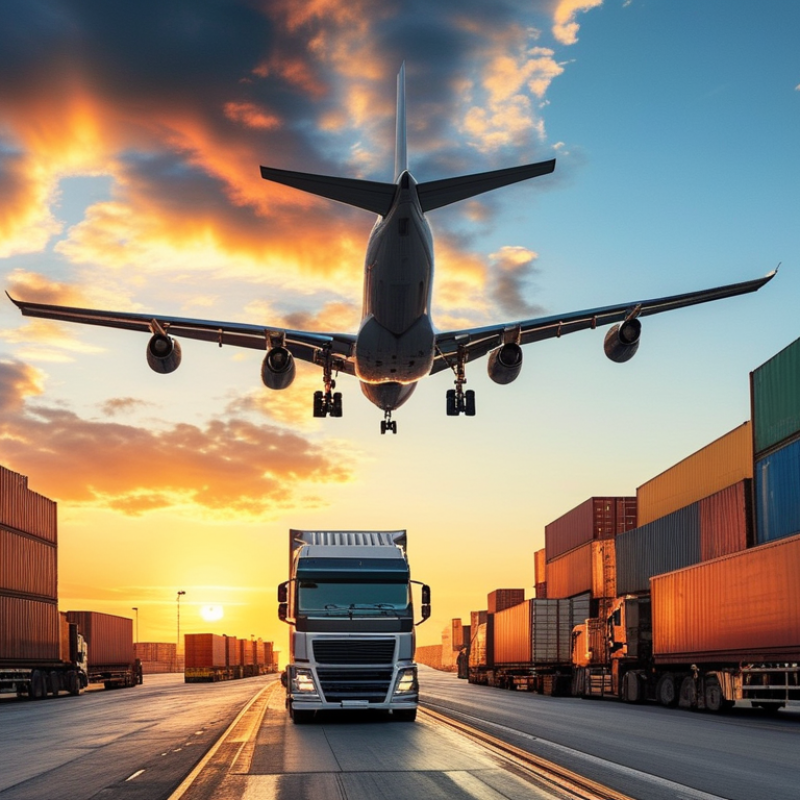
There are several types of freight shipping.
Trucking is the most common, suitable for land transportation. It offers flexibility in delivery schedules.
Rail freight is efficient for heavy loads over long distances. It’s often more cost-effective than trucking, but it comes with limitations on accessibility.
Ocean freight is widely used for international shipping. This method handles large volumes but can take longer due to port delays.
Air freight is fast but usually more expensive. Each shipping method has strengths and weaknesses.
Companies must evaluate their specific needs. Balancing cost, speed, and reliability is essential for smart shipping choices.
These freight types are not one-size-fits-all solutions. They require careful consideration and planning.
Key Components of the Freight Shipping Process
Freight shipping is a complex process that relies on several key components to ensure efficient transport of goods. One primary element is the freight forwarder, acting as an intermediary between shippers and carriers. This role is essential in managing logistics, documentation, and customs clearance. According to the International Freight Forwarders Association, around 80% of global trade relies on freight forwarders, highlighting their critical position within the shipping ecosystem.
Another significant aspect is freight transportation modes, which can vary from road to rail, air, and sea. Each mode has its advantages. For instance, water freight is cost-effective for bulk goods, while air freight is faster but more expensive. The choice affects transit times, costs, and the nature of goods being transported. Reports suggest that maritime shipping accounts for approximately 90% of international trade by volume, showcasing its predominance.
Effective logistics management also plays a vital role. This involves tracking shipments to ensure timely delivery and minimize disruptions. A study from the Freight Transportation Research Group indicates that delays and inefficiencies can increase shipping costs by up to 30%. It emphasizes a need for continuous improvement. Without a reliable logistics strategy, businesses risk facing significant losses and customer dissatisfaction. The freight shipping process requires constant adaptation and reflection on best practices to optimize operations.
How to Choose the Right Freight Shipping Method
Choosing the right freight shipping method is crucial for businesses. Various factors influence this decision. The type of goods, distance, and delivery speed all play a significant role. Understanding these elements can guide you towards the best choice.
For time-sensitive shipments, air freight is often preferred. It allows for faster delivery but can be expensive. Conversely, ocean freight is cost-effective for bulk shipments. However, it takes longer, and delays can occur. Balancing cost and time is essential.
Another key aspect is the nature of your goods. Fragile items may require special handling. In this case, less-than-truckload (LTL) shipping might offer needed care. Research and analyze your unique needs. Evaluate each option thoroughly before deciding. Consider all angles and reflect on past shipping experiences. Making informed choices can save you time and money.
Freight Shipping Costs by Method
This chart illustrates the average cost per ton for different freight shipping methods, highlighting the cost differences between air, ocean, road, and rail freight. Understanding these costs is essential for businesses to choose the most economical shipping option for their logistics needs.
The Role of Freight Brokers and Forwarders
Freight brokers and forwarders play a crucial role in the shipping industry. They act as intermediaries between shippers and carriers, ensuring goods move efficiently. Brokers connect businesses looking to transport products with trucking companies, while forwarders manage the logistics of getting items from their origin to the final destination.
Brokers have relationships with various carriers. They can negotiate rates and routes, which often results in cost savings for their clients. Forwarders, on the other hand, handle documentation, customs clearance, and other logistical details. They simplify complex processes, making it easier for businesses to focus on core activities. However, not all brokers and forwarders are equal. Research is essential to finding reliable partners.
Transparency is vital in freight shipping. Sometimes, brokers may not fully disclose additional fees, leading to frustrations. Shippers should ask questions and seek clarity on service terms. Forwarders must communicate effectively to avoid delays. A good understanding of each role can greatly enhance the shipping experience.
Cost Factors Influencing Freight Shipping Rates
Freight shipping involves transporting goods by various means. Understanding cost factors is crucial for businesses. Rates can fluctuate based on multiple elements. Distance is a primary consideration; longer routes typically increase costs.
Weight and dimensions matter, too. Heavier or bulkier shipments require more resources to move. Additionally, the type of cargo can influence prices. Fragile items may need special handling, raising overall expenses. Geographic location also plays a role. Remote areas often incur higher shipping fees.
Market demand affects freight rates significantly. During peak seasons, prices tend to surge. Companies must stay informed about fluctuations to optimize budgets. Unexpected delays can also lead to additional charges. It’s essential to evaluate these aspects carefully. Ignoring them can lead to overrunning costs. Tracking changes in the shipping landscape is vital for a competitive edge.
What is Freight Shipping and How Does It Work? - Cost Factors Influencing Freight Shipping Rates
| Cost Factor |
Description |
Example Value ($) |
| Weight |
The weight of the shipment greatly influences shipping rates. Heavier shipments generally cost more to ship. |
500 |
| Distance |
The distance between the origin and destination affects shipping costs. Longer distances typically incur higher charges. |
200 |
| Mode of Transport |
Different modes (air, sea, truck, rail) have varying cost structures. Air freight is usually more expensive, while sea freight is often cheaper. |
300 |
| Type of Cargo |
Special handling for certain types of cargo (hazardous, perishables) can increase shipping costs due to added regulations. |
150 |
| Fuel Surcharges |
Fluctuations in fuel prices can lead to additional surcharges being added to freight rates. |
75 |