Why Is Freight Shipping So Expensive?
Why does a pallet of goods cost far more to move than the distance alone suggests? Freight shipping prices reflect a chain of costs: diesel, driver wages, equipment, tolls, handling, and available truck or container space. A refrigerated trailer uses more fuel and specialized equipment than a dry van. A shipment that waits at a warehouse can also add detention or storage charges. Small details matter.
Freight transportation economist Jason Miller’s research offers a useful lens. A fair paraphrase of its takeaway is that shipping rates respond to demand, capacity, and operating costs—not distance alone. That is not a verbatim quotation. When freight demand rises faster than available trucks, carriers may charge more; when demand softens, rates can fall. Routes matter, too. A truck delivering to a remote area may face a costly return trip with little cargo. Fuel prices shift, and seasonal peaks can tighten capacity. The invoice may also include accessorial fees for services such as liftgate delivery or appointment scheduling. Easy to miss.
This guide looks at the main cost drivers, explains how quotes are built, and shows which questions shippers should ask before booking. Compare equivalent services, not just headline prices. A low quote may exclude a needed service or assume flexible pickup times. Even careful comparisons have limits: rates change with market conditions, and no single fee explains every shipment. That part deserves a closer look.
The Main Cost Components of Freight Shipping
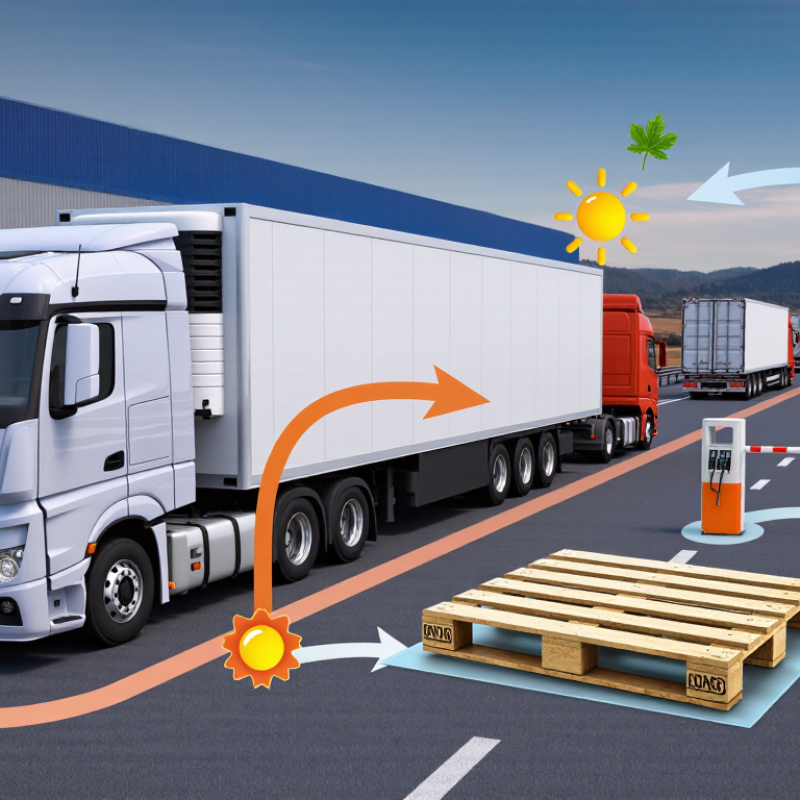
Freight rates cover more than the truck moving between two points.
Distance and fuel are visible costs, but they are only part of the calculation. A shipment’s weight and dimensions matter because carriers sell limited space and carrying capacity. A bulky pallet can cost more than a compact load with the same weight. Fuel surcharges may also shift as fuel prices change. Small details count.
Labor adds another layer. Drivers, warehouse crews, and dispatchers handle loading, paperwork, routing, and delivery coordination. Extra services—such as liftgate delivery, residential access, or appointment scheduling—can add fees. So can waiting time when a shipment is not ready at pickup. These charges should be checked against the quote’s terms, not treated as automatic surprises. They can be easy to miss.
Timing and route conditions influence the final price, too. Busy shipping periods can tighten capacity, while remote destinations may require extra miles or transfers between vehicles. Insurance and claims handling may be reflected in the rate, depending on the service and coverage selected. Quotes are estimates, not perfect predictions; I have seen a simple-looking delivery become complicated because a loading dock was unavailable. Comparing rates is useful, but comparing what each rate includes is more reliable.
How Fuel, Labor, and Equipment Costs Affect Rates
Why Is Freight Shipping So Expensive?
How Fuel, Labor, and Equipment Costs Affect Rates
A freight quote reflects more than the distance between two locations. Fuel is a major factor: a truck traveling hundreds of miles consumes substantial diesel, and prices can shift between booking and pickup. Carriers may adjust rates to cover that uncertainty. A route with traffic, steep grades, or limited return loads can cost more than the map suggests. Miles matter, but they do not tell the whole story.
Labor and equipment also shape the price. Drivers are paid for time on the road, and loading delays can keep a truck from its next job. A missed appointment may mean extra waiting or a rescheduled delivery. Trailers, tires, repairs, insurance, and routine maintenance add costs too. These expenses are less visible than fuel, but they affect every shipment. Freight pricing is not perfectly tidy; even a careful estimate can miss a delay.
Tips: Share accurate freight dimensions, weight, pickup hours, and delivery requirements when requesting a quote. Ask whether the rate includes fuel adjustments, appointment fees, or waiting time. Compare quotes with the same shipment details, not just the lowest number. Small details can change the cost. And sometimes, a clear quote still cannot predict a sudden delay.
How Distance, Routes, and Cargo Type Shape Shipping Prices
Freight prices depend on more than the miles between pickup and delivery. Distance matters. A truck traveling farther usually uses more fuel and driver time, but the route can change the bill. Mountain roads, tolls, traffic, and limited return loads may add cost. A 300-mile route between busy hubs can sometimes cost less than a shorter trip to a remote town. The map alone rarely tells the whole story.
Tips: Compare quotes using the same pickup dates, delivery windows, and cargo details. Ask whether fuel, accessorial charges, and liftgate service are included. Measure and weigh each pallet accurately. Small errors can lead to revised charges later.
Cargo type shapes pricing, too. Dense freight may reach a truck’s weight limit quickly, while bulky goods can fill its space first. Fragile items may need extra padding or careful handling. Temperature-controlled freight requires specialized equipment and fuel, which can raise the rate. Oddly, a small shipment is not always cheap; minimum charges can apply. It is easy to focus only on distance, and that is an incomplete way to estimate the real cost.
How Capacity, Demand, and Delays Drive Freight Costs
Freight prices rise when shipment demand outpaces the trucks, trailers, and drivers available to move it. A sudden retail rush can fill a lane quickly, leaving shippers to compete for fewer open trucks. Capacity is not just the number of vehicles on paper. A truck stuck at a loading dock cannot accept its next shipment, and a driver waiting for an appointment is paid while the freight sits still. Small delays spread. Tight schedules leave less room to combine loads or choose cheaper routes, so the quoted price may reflect urgency as much as distance.
The American Transportation Research Institute’s 2024 operational-cost report put the average marginal cost of trucking at $2.270 per mile in 2023. That figure helps explain why carriers cannot absorb every increase in fuel, maintenance, or driver time. Delays add another layer: an institute study estimated that U.S. truck congestion cost $74.5 billion in 2016 and wasted 1.2 billion hours. Those figures are dated, and they do not describe every route. Still, they show how waiting can consume capacity without moving a single pallet. A late pickup may trigger missed delivery slots, extra storage, or a replacement truck. The awkward part is that a low rate can look efficient until one delay turns the whole schedule into a costly scramble.
Why Shipping Methods and Service Levels Have Different Prices
A freight shipment’s price depends not only on distance, but also on how quickly and carefully it must move. A pallet traveling by standard ground service may share trailer space with other freight. That usually costs less, but delivery windows can be wider. A dedicated truck costs more because the shipper pays for reserved capacity and a more direct route. Timing matters.
Service levels change the work involved. Expedited delivery may require a driver to travel with fewer stops, or a carrier to arrange a tighter pickup schedule. Liftgate service adds equipment and handling when a loading dock is unavailable. Appointment delivery, residential access, and limited-access locations can also increase charges. Small details count.
Compare quotes only after checking what each one includes. One price may cover basic terminal-to-terminal transport, while another includes pickup, delivery, and scheduled arrival. Ask about estimated transit time, handling requirements, and possible extra fees. A low quote can become less attractive if the delivery window does not fit your operation. Estimates are not perfect; shipment dimensions, packaging, and access details are sometimes measured incorrectly, and I would not treat a price as final until those details are confirmed.
Why Is Freight Shipping So Expensive? - Why Shipping Methods and Service Levels Have Different Prices
Illustrative U.S. domestic estimates for one standard 500 lb pallet traveling about 500 miles, from a business address to another business address. Actual quotes vary by lane, freight class, dimensions, market capacity, fuel costs, and shipment requirements. Estimates exclude accessorial charges, taxes, and special handling.
| Shipping method / service level |
Typical transit time |
Illustrative shipment cost |
Why the price differs |
| Economy LTL |
3–7 business days |
$200–$450 |
The pallet shares trailer space and may make additional terminal stops; flexible delivery timing helps keep the rate lower. |
| Standard LTL |
2–5 business days |
$250–$600 |
Shared-truck service balances cost and speed. Price depends partly on freight class, pallet dimensions, and the route’s available capacity. |
| Guaranteed or appointment LTL |
Usually 1–4 business days, with a scheduled commitment |
$350–$800 |
A delivery commitment or appointment requires tighter scheduling and can add fees to the standard LTL rate. |
| Expedited LTL |
1–2 business days, where available |
$450–$1,000 |
Priority handling and faster routing reduce flexibility and may require premium capacity or extra handling. |
| Partial truckload |
1–3 business days |
$600–$1,400 |
Typically involves fewer freight transfers than LTL and reserves more trailer space, but costs more for a small shipment. |
| Dedicated truck |
Same day to 1–2 days, depending on distance |
$1,500–$3,000 |
The vehicle is reserved for the shipment, so the customer pays for dedicated capacity even if the truck is not full. |
| Air cargo |
1–2 days, airport-to-airport; pickup and delivery add time |
$1,000–$2,500 |
Fast aircraft capacity and airport handling are costly. Charges may be based on dimensional (volumetric) weight rather than scale weight. |
Common factors that increase a freight quote
| Cost factor |
How it affects the price |
Typical examples |
| Freight class and density |
LTL pricing considers how much space freight occupies, its weight, handling needs, and liability. Bulky, low-density freight can cost more per pound. |
Accurate pallet dimensions and weight help avoid reclassification or reweigh charges. |
| Fuel surcharge |
A variable charge tied to fuel costs, usually calculated as a percentage of eligible transportation charges. |
The percentage changes over time and differs by carrier and service. |
| Limited-access or residential pickup/delivery |
Locations that take extra time or require special routing may incur an additional charge. |
Homes, construction sites, schools, and some remote facilities. |
| Special equipment or handling |
Additional labor or equipment is needed when freight cannot be loaded or unloaded at a standard dock. |
Liftgate service, inside delivery, or sorting and segregating freight. |
| Urgency and capacity |
Shorter deadlines limit routing options and may require premium or dedicated capacity. |
Expedited service, guaranteed delivery, or a dedicated vehicle. |
Cost ranges are broad planning estimates, not published tariffs or binding quotes. Request a lane-specific quote using the shipment’s exact origin, destination, pallet count, dimensions, weight, freight class, delivery requirements, and accessorial needs.